
Propagation
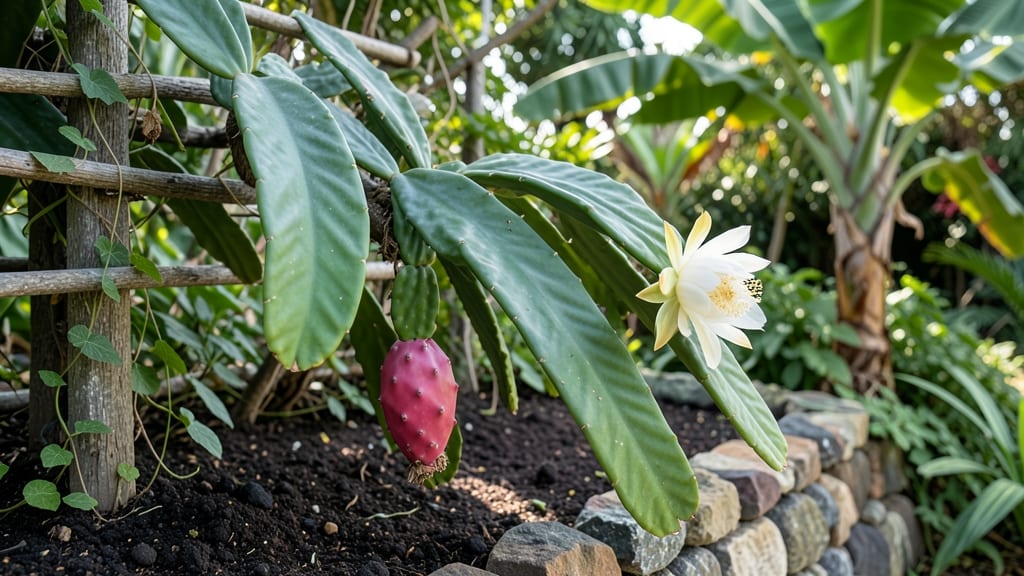
Growing white-fleshed dragon fruit from seed feels like cultivating a tropical treasure in your own backyard. 🌱 The creamy, mild-sweet flesh of varieties like Hylocereus undatus is worth the patience—especially when you see those first blooms after just 6 months.
I’ve propagated mine from seed twice now, and the key is mimicking their native jungle conditions: warmth, humidity, and a sturdy trellis to support their heavy vines.
The real magic happens in zones 10-11, but container growers in cooler climates can keep them thriving indoors near bright windows.
Start with fresh seeds (or cuttings from a trusted vine) in well-draining cactus mix, and you’ll soon watch those ribbed stems climb toward the sky—each new leaf a step closer to your first harvest.
The white-fleshed varieties ripen faster than their red cousins, so timing your planting right means juicy rewards by late summer.
📚 In This Guide
- What you need
- Instructions
- Tips and common mistakes
- Wrapping up and next steps
What you need
- ● Dragon fruit seeds: 5–10 fresh, viable seeds (harvested from ripe fruit or purchased from a reputable supplier).
- ● Seed-starting mix: 1–2 gallons of sterile, well-draining potting soil (e.g., cactus/succulent mix or a blend of peat moss, perlite, and coconut coir).
- ● Small pots or seed trays: 4–6 biodegradable pots (3–4 inches in diameter) or a seed tray with drainage holes.
- ● Grow lights or sunny windowsill: Access to bright, indirect light (6+ hours/day) or a full-spectrum LED grow light for seedlings.
- ● Spray bottle: For gentle watering (avoid over-saturating seeds).
- ● Plastic wrap or humidity dome: To create a mini greenhouse effect while germinating.
- ● Fertilizer: A balanced, water-soluble fertilizer (e.g., 10-10-10 or 5-5-5) diluted to half-strength for young plants.
- ○ Larger container (optional but recommended): A 5–7 gallon pot with drainage holes for transplanting (use a cactus/succulent mix amended with compost).
- ● Heating mat: Speeds up germination (ideal for cooler climates).
- ● pH testing kit: Ensures soil pH is neutral (6.0–7.0) for optimal growth.
- ● Support trellis or stakes: For training vines as they grow (3–5 feet tall).
- ● Mulch: Organic mulch (e.g., straw or bark) to retain moisture and regulate soil temperature.
- ● Pruning shears: For shaping vines and removing dead growth.
Step-by-step instructions for growing white-fleshed dragon fruit from seed
Here’s the exact method I use to coax white-fleshed dragon fruit from seeds into thriving, blooming vines—no shortcuts, just reliable results.
🌱 Step 1: Prepare and Plant the Seeds
Start with fresh seeds from a ripe white-fleshed dragon fruit—never dried or stored seeds, as they lose viability. Scrape the sticky flesh off with a spoon, then rinse the seeds clean under warm water. The key is speed: plant them within 24 hours of harvesting, as they germinate best when fresh.
Fill a small pot with sterile seed-starting mix (never garden soil—it’s too dense and can harbor pathogens). Moisten the mix until it’s damp but not soggy, then press a single seed ¼ inch deep into the surface. Cover lightly with a fine layer of additional mix—just enough to obscure the seed. I use a 4-inch pot for each seed, as dragon fruit seedlings are delicate and don’t tolerate crowding.
💧 Step 2: Create Ideal Germination Conditions
Place the pot in a warm, humid environment—I use a seedling heat mat set to 80-85°F for consistent warmth. Cover the pot with a clear plastic dome or wrap it in plastic wrap to trap moisture. Dragon fruit seeds need constant humidity to germinate, so check daily and mist the soil if it feels dry to the touch.
Germination can take 3-6 weeks, depending on temperature and seed freshness. Be patient—don’t disturb the soil or move the pot during this time. Once you see tiny green sprouts breaking through the surface, remove the cover immediately. Too much humidity after germination invites damping-off, a fungal disease that collapses seedlings overnight.
☀️ Step 3: Provide Bright, Indirect Light
Move the seedlings to a bright, indirect light spot as soon as they emerge. A south-facing window works, but direct sun can scorch tender leaves. I use a grow light on a 12-hour daily cycle to supplement natural light, especially in cooler months. Dragon fruit seedlings grow best with moderate light intensity—you’ll know it’s right when the leaves are dark green and compact, not stretched or pale.
Rotate the pot a quarter turn weekly so the vine grows straight toward the light. Leggy growth (long, weak stems) means the light is too far away. If you notice the seedlings leaning, adjust the light source within 6 inches of the top leaves. Once the first true leaves (not the initial seed leaves) appear, you’re on the right track.
🪴 Step 4: Transplant and Encourage Climbing
After 4-6 weeks, when the seedlings have 3-4 true leaves, transplant them into 6-inch pots filled with a well-draining cactus/succulent mix. Dragon fruit vines need excellent drainage—amend the mix with 20% perlite or pumice to prevent root rot. Gently remove the seedling from its starter pot, keeping the root ball intact, and plant it at the same depth it was growing before.
Provide a small trellis or bamboo stake for the vine to climb immediately. Dragon fruit is a vigorous climber, and giving it support early prevents tangled, weak growth. Water deeply but infrequently—let the top 1 inch of soil dry out between waterings. Overwatering is the #1 killer of young dragon fruit plants, so err on the side of underwatering.
⏰ Step 5: Transition to Outdoor Conditions
Once the vine reaches 12 inches tall and shows new growth, it’s ready for outdoor acclimation. Place the pot in a sheltered, shaded spot for 2-3 hours the first day, then gradually increase exposure over 10-14 days. Dragon fruit thrives in USDA Zones 9-11, but even in cooler climates, you can grow it in containers and bring it indoors in winter.
By 6 months, your vine should be actively flowering if given full sun (6+ hours daily), well-draining soil, and regular fertilization with a balanced 10-10-10 fertilizer every 4-6 weeks. Watch for orange-red buds—these develop into the iconic dragon fruit. If blooms don’t appear, check your light (they need bright, direct sun) and ensure the vine has something to climb—without support, energy goes into foliage, not fruit.
Tips & tricks for perfect white-fleshed dragon fruit propagation
These insider tricks will help you skip the common pitfalls and coax those delicate seeds into thriving vines.
Seed Freshness is Non-Negotiable: The 24-hour window after harvesting is critical—seeds lose viability rapidly. I’ve seen germination rates drop from 80% to near zero when seeds sit for even 48 hours. If you can’t plant immediately, store them in a damp paper towel in the fridge for up to 3 days, but plant as soon as possible. The sticky residue helps, but freshness is the real game-changer.
Heat Mat Hack for Stubborn Seeds: If germination doesn’t start within 3 weeks at 80-85°F, try increasing the heat to 88°F for 4-5 days. Dragon fruit seeds sometimes need that extra nudge. Just don’t exceed 90°F—the seeds can overheat and die. I’ve had seeds sprout after being "stuck" for weeks with this tweak.
Light Rotation Secret: That quarter turn weekly rotation isn’t just about aesthetics—it prevents the vine from growing lopsided toward the light source. I’ve seen seedlings develop permanent bends if ignored. For even growth, place a small mirror or reflective surface near the pot to distribute light more evenly, especially if you’re using a single grow light.
Transplanting Without Shock: When moving to 6-inch pots after 4-6 weeks, water the seedling thoroughly 24 hours before transplanting. This keeps the root ball intact and reduces transplant shock. I also add a handful of worm castings to the new mix for extra nutrients—it’s the gentle boost seedlings need after their first big move.
Pro Tips for White Fleshed Dragon Fruit
- These insider tricks will help you skip the common pitfalls and coax those delicate seeds into thriving vines.
- Seed Freshness is Non-Negotiable: The 24-hour window after harvesting is critical—seeds lose viability rapidly.
- Heat Mat Hack for Stubborn Seeds: If germination doesn’t start within 3 weeks at 80-85°F, try increasing the heat to 88°F for 4-5 days.
Frequently asked questions
Got questions about growing white-fleshed dragon fruit?
Here are answers to the most common ones—so you can propagate with confidence!
How long does it take for white-fleshed dragon fruit seeds to sprout?
White-fleshed dragon fruit seeds typically sprout within 10–21 days if kept in warm (70–85°F), moist conditions. Use a humidity dome or plastic wrap to speed up germination. Patience is key—some seeds take longer, especially in cooler climates!
Can I grow white-fleshed dragon fruit from store-bought fruit?
Yes! Save seeds from store-bought white-fleshed dragon fruit, but rinse and dry them thoroughly to prevent mold. Soak in water for 24 hours to soften the shell before planting. Just note: seeds from hybrid varieties may not produce true white-fleshed fruit.
How cold can white-fleshed dragon fruit vines tolerate?
Dragon fruit vines thrive in USDA Zones 9–11 and die back in frost. In colder areas, grow them in containers and move indoors when temps drop below 40°F. Young plants are especially sensitive—keep them near a sunny window or under grow lights.
Why aren’t my dragon fruit seeds sprouting?
Check these common issues:
- Too cold: Seeds need warmth (use a heat mat if needed).
- Dampness/mold: Ensure soil drains well and isn’t soggy.
- Old seeds: Fresh seeds sprout better—try a new batch!
- Low humidity: Cover seeds with plastic wrap or a dome.
What’s the difference between white and red-fleshed dragon fruit?
White-fleshed dragon fruit (Hylocereus undatus) has milder, sweeter fruit with a creamy texture, while red-fleshed varieties (like Hylocereus polyrhizus) are tart and more fibrous. White-fleshed types are easier to grow from seed and adapt better to cooler climates.
Wrapping up and next steps
Growing white-fleshed dragon fruit from seed is a rewarding journey that blends patience with the joy of nurturing life! 🌱 With the right conditions—sunlight, well-draining soil, and consistent care—you can watch your vine thrive and produce stunning blooms in just six months.
Whether you’re drawn to its exotic beauty or its delicious fruit, this tropical treasure is well worth the effort.
Now that you’re armed with all the tips and tricks, take the first step today! Grab your seeds, set up your growing space, and let nature do the rest. Happy planting—your future dragon fruit harvest awaits! 🌟