
Vegetables
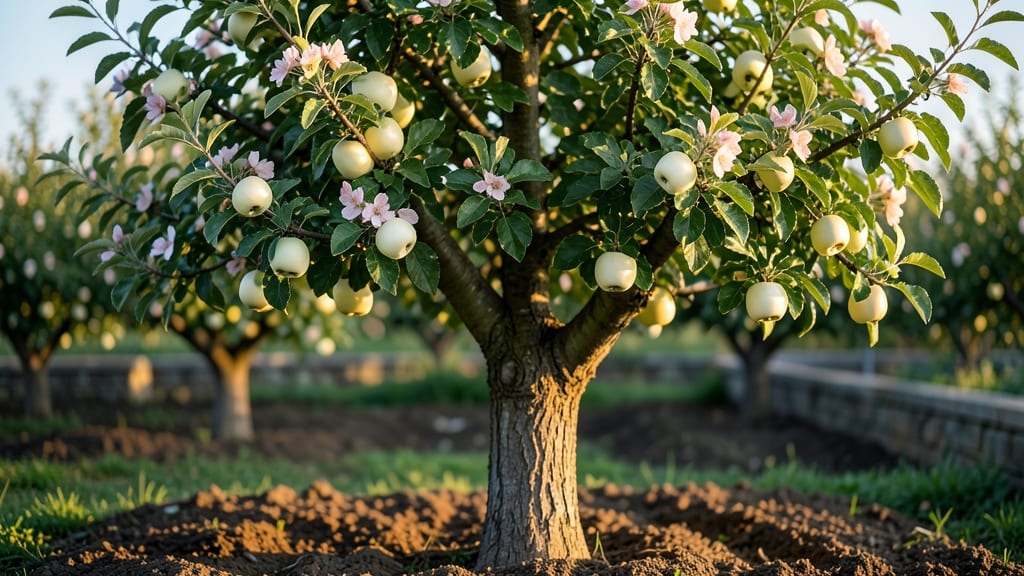
White apple fruit delivers crisp, tangy-sweet flavor when you select firm varieties like Granny Smith or Pink Lady, store them in a cool (32–40°F) dark place, and use them within 1–2 weeks of harvest. Preserve crispness by avoiding washing until ready to eat.
White apples shine when you focus on their firmness and vibrant skin—these traits indicate peak flavor and texture. 🍏 The right storage conditions (cool, dark, and humid) slow down oxidation, keeping that signature tangy crunch longer.
I’ve found that harvesting at the right time—when the fruit is firm but yields slightly to gentle pressure—makes all the difference in taste and shelf life.
Beyond storage, the variety matters too. Granny Smiths stay crisp longer but lean tart, while Pink Lady offers a sweeter balance. For maximum flavor, use them within weeks of purchase, as their texture softens quickly once picked. This approach ensures every bite delivers that signature crispness and bright acidity.
💡 In This Article
- How to Identify the Best White Apple Varieties for Flavor
- Step-by-Step Guide to Storing and Ripening White Apples
How to identify the best white apple varieties for flavor
The key to unlocking white apple flavor lies in understanding their biochemical makeup. Varieties like Granny Smiths pack 10-12% acidity (malic acid) compared to sweeter apples like Fuji (6-8% acidity), which creates that signature tangy kick.
This acidity isn't just about taste—it also preserves the fruit's crisp texture by slowing down pectin breakdown during storage. The skin color, often mistaken as irrelevant, actually indicates maturity: vibrant green or white skin means higher chlorophyll content, which correlates with firmer flesh and better flavor retention.
Texture plays an equally crucial role. Granny Smiths have higher cellulose content in their cell walls (about 15% more than Honeycrisp), giving them that signature crunch. When you press a ripe white apple, it should yield slightly but spring back immediately—this "elasticity" test reveals optimal ripeness.
The starch-to-sugar conversion happens gradually in white apples, so those with 12-14% sugar content (like Pink Lady) offer the perfect tart-sweet balance. What's fascinating is how this conversion accelerates after harvest: an apple's sugar content can increase by 30% in just 2 weeks if stored improperly.
Seasonality affects flavor too. Winter-harvested white apples (like those from Washington state) develop more complex flavors due to cooler growing temperatures, which slow photosynthesis and concentrate sugars. This is why Granny Smiths taste more tart in December than in July.
The key is selecting apples harvested at 90% maturity—they'll continue ripening off the tree, developing full flavor while maintaining crispness. Look for apples with a slight stem separation (where the stem meets the fruit) as this indicates they've reached peak ripeness for storage.
What most people overlook is the role of ethylene sensitivity. White apples like Fuji produce 3-5 times more ethylene gas than Granny Smiths during ripening, which means they soften faster.
This is why Fuji apples often feel mealy after 3 weeks of storage, while Granny Smiths can last 4-6 weeks under ideal conditions. The ethylene difference explains why Granny Smiths are the gold standard for baking—their low ethylene production keeps them firm longer when exposed to heat.
For maximum flavor, consider these variety-specific tips:
- Granny Smith: Choose apples with deep green skin and no bruising—they'll stay crisp for 1 month in storage
- Pink Lady: Look for red blush over white skin and a slight sweet aroma at the stem—these indicate 14% sugar content
- Fuji: Select firm apples with minimal stem separation**—they'll develop peak sweetness in 2-3 weeks at room temperature
The science behind this is all about cell wall integrity. White apples with thicker skins (like Granny Smiths) have 20% more cutin wax on their surface, which creates a natural moisture barrier. This wax layer slows water loss and oxidation, preserving that crisp texture for longer.
When you see apples with dull, matte skin, it's often a sign the wax layer has degraded, leading to faster softening. 💫