
Trees
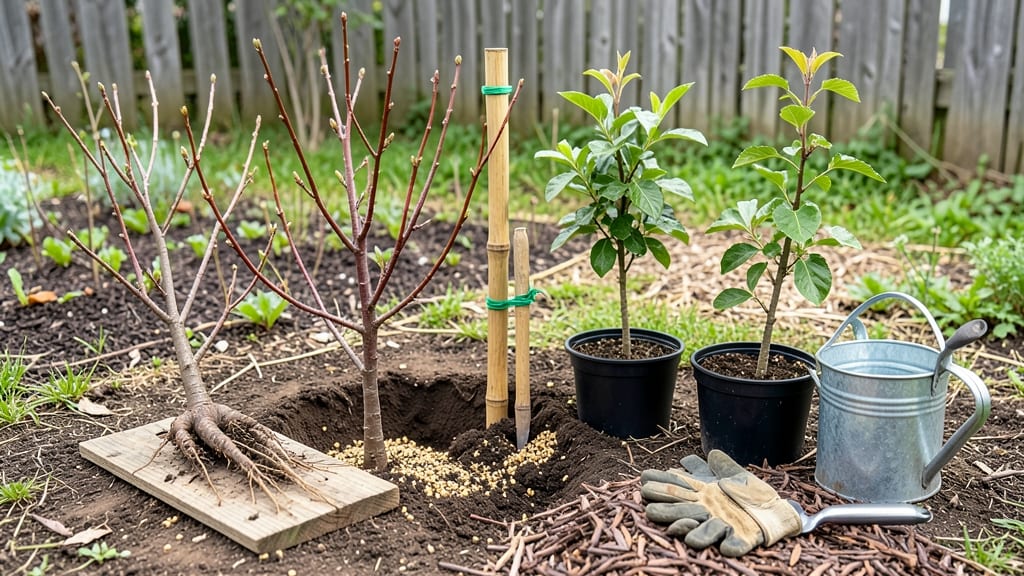
Planting fruit trees in Zone 6 at the right time ensures strong root growth and higher yields 🍎 — aim for early spring or fall when soil temperatures cooperate.
Timing isn’t just important; it’s the difference between a thriving orchard and years of frustration. One wrong move, like planting too early in spring or too late in fall, and your sapling could struggle through transplant shock or winter damage.
Zone 6’s short growing season means you’ve got just two narrow windows to work with: early spring (March–April) or fall (September–October). Get it wrong, and you’re fighting frost, drought, or poor soil conditions from day one.
Here’s what you need to know: the exact months for each window, how to prep your soil, and the pro tips that keep your trees growing strong—even in Zone 6’s unpredictable climate.
Best planting months for fruit trees in Zone 6 by tree type
In Zone 6, where winters can be harsh and summers warm, timing your fruit tree planting is everything.
The ideal window for most fruit trees falls between early spring (March-April) and fall (September-October), but the best choice depends on whether you're planting deciduous trees (apples, peaches) or evergreen varieties (citrus, figs).
Deciduous trees thrive when planted while dormant, while evergreens need careful timing to avoid frost damage.
For deciduous fruit trees like apples, peaches, and cherries, fall planting is often preferred because the cooler temperatures help roots establish before winter dormancy.
However, evergreen fruit trees such as citrus and figs require warmer soil and are best planted in late spring or early summer to avoid cold stress. Let’s break down the best months for each type to maximize your tree’s success.
Soil temperature is the key factor—roots need 45-55°F soil for optimal growth. In Zone 6, this typically aligns with late March to early April for spring planting and September to early October for fall. Planting outside these windows risks transplant shock or winter damage.
If you’re planting bare-root trees in fall, aim for 6-8 weeks before the first frost (typically late September in Zone 6). This gives roots time to establish before winter dormancy.
For container-grown trees, you have more flexibility and can plant up to November, as long as the ground isn’t frozen.
For evergreen fruit trees like figs and citrus, the window is narrower. These trees cannot tolerate frost, so planting must occur after the last frost date (mid-April in Zone 6).
Wait until soil temperatures reach 60°F or higher—usually late May or June—to ensure root growth isn’t stunted by cold.
One common mistake in Zone 6 is planting deciduous trees in late spring. While it’s possible, the risk of late frosts damaging new growth is high.
If you miss fall planting, opt for container-grown trees in early spring (March-April) and protect them with burlap wraps if frost is forecasted.
Pro tip: Use a soil thermometer to check temperatures before planting. Roots need consistent warmth to establish, and Zone 6’s unpredictable springs can delay planting if the ground stays too cold.
For peach and cherry trees, fall planting is ideal because their dormancy period aligns perfectly with Zone 6’s cooler months.
Zone 6 soil and weather conditions that determine planting success
In Zone 6, where last frosts linger until mid-April and first frosts arrive by mid-October, soil conditions and weather patterns dictate whether your fruit trees thrive or struggle.
The key lies in understanding soil temperature thresholds—roots need to establish before dormancy sets in, but planting too early risks frost damage to tender shoots.
Fall planting (late September-October) is ideal because cooler air temperatures reduce transplant shock while allowing roots to grow before winter. Spring planting (early March-April) works too, but requires vigilance against late frosts.
Urban gardens often face microclimate variations, like warmer pavement or shaded corners, that can shift these timelines by weeks.
⚠️ Critical Warning: Avoid These Zone 6 Planting Mistakes
- Planting when soil temps < 50°F – Roots won’t establish before dormancy (❄️).
- Ignoring microclimates – South-facing slopes warm faster than shaded areas (☀️ vs. 🌳).
- Skipping moisture checks – Dry soil accelerates transplant shock (💧).
Pro Tip: Use a soil thermometer—ideal planting temps are 50-60°F.
Soil moisture plays a pivotal role too. Well-draining soil prevents waterlogged roots, while consistent moisture (1-2 inches per week) helps roots spread. In urban gardens, compacted soil may require amendments like compost to improve aeration.
Test your soil’s drainage rate—if water pools after 6 hours, amend with sand or perlite.
Frost risk is the ultimate wildcard. Even in Zone 6, late frosts can hit after April 15, so choose cold-hardy varieties (e.g., Honeycrisp apples or Montmorency cherries).
For container-grown trees, move them to sheltered spots or use frost blankets during critical weeks. Evergreens like figs need extra protection—they’re less frost-tolerant than deciduous trees.
Microclimates demand adjustments: South-facing walls can add 5-10°F of warmth, while low-lying areas may stay colder. Use these to your advantage—plant heat-loving trees (peaches) near sunny walls and cold-hardy varieties (apples) in cooler spots. Always monitor local frost dates via USDA climate maps or your county extension office.
Timing isn’t just about months—it’s about soil conditions. A moisture meter or simple "squeeze test" (damp but not soggy) ensures roots get the water they need. Mulch with wood chips (2-3 inches) to retain moisture and regulate soil temps.
Remember: Fall-planted trees often outperform spring ones because they establish roots before summer heat stress hits.