
Trees
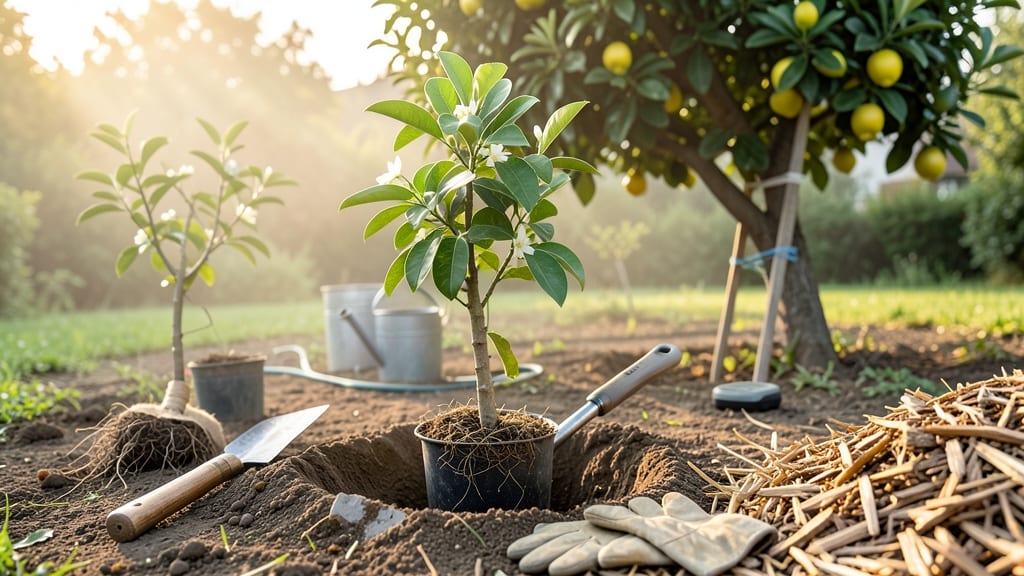
Planting fruit trees in California at the right time ensures they thrive in your 5-11 (varies by region: 5 in high Sierra, 11 in coastal areas) climate—so timing is everything.
If you’ve ever watched a 🍎🍊🍇 tree struggle because it was planted too early or late, you know how critical the window is. California’s diverse regions—from frost-prone Northern zones to frost-free Southern coasts—demand different strategies, and getting it wrong can mean years of stunted growth or even failure.
Most gardeners in the Golden State aim for winter planting, but the exact months depend on where you live. Coastal areas like San Diego can plant year-round, while inland valleys need to wait until soil cools in late fall.
Below, I’ll break down the best months for your region, plus pro tips to set your trees up for success from day one.
You’ll learn how to read your local frost dates, choose the right tree type for your microclimate, and avoid common mistakes that derail even the most eager gardeners. Let’s get those roots established the right way!
California fruit tree planting calendar by region: best months for each climate Zone
California’s diverse climates create wildly different planting windows for fruit trees—get it wrong, and you risk stunted growth or frost damage. The key is planting during dormant seasons when trees can establish roots without stress.
Northern regions need early winter plantings, while desert areas thrive with late fall starts. Let’s break down the optimal months for each California climate zone, including soil temperature thresholds and frost alerts.
Timing isn’t just about months—it’s about soil conditions. In drought-prone areas like the Central Valley, you may need to irrigate soil before planting to reach ideal moisture levels. Coastal regions benefit from winter rains, while desert zones require pre-planting soil prep to retain water.
Each zone’s temperature thresholds dictate when roots can safely grow without frost or heat shock.
Use this region-specific calendar to align your planting with natural cycles. For example, Northern California’s November–March window avoids spring frosts that can kill new roots. Meanwhile, Southern California’s mild winters allow slightly later plantings, but citrus trees still need cool dormancy periods.
Desert varieties like date palms can handle warmer soil (60–80°F), while stone fruits in the Sierra foothills need cooler soils (45–65°F).
Pro Tip: Always check your local USDA Hardiness Zone (5–11 in California) and last frost dates. For instance, Redding (Zone 7) has later frosts than San Diego (Zone 11), so adjust your timing accordingly. Container-grown trees offer more flexibility but still need proper dormancy conditions.
If you’re in Northern California, prioritize December–February plantings to avoid late-winter frosts. For example, peach trees planted in November might sprout too early and get damaged by January frosts in Sacramento.
In contrast, Southern California’s milder climate lets you plant citrus trees as late as January, but avoid summer heat stress by finishing before March.
Desert regions like the Coachella Valley have the latest planting windows (October–December) because their warm soils (60–80°F) allow roots to establish without winter dormancy. However, even here, avoid planting in peak summer (June–August) when temperatures exceed 90°F—root systems can’t handle that heat.
Instead, time your planting with fall rains or use drip irrigation to maintain moisture.
One common mistake is assuming “winter” means January–February. In reality, November is often the sweet spot for most regions because it gives roots time to settle before summer stress. For bare-root trees, plant immediately after purchase—these trees are dormant and ready to root as soon as soil conditions allow.
Container-grown trees offer more flexibility but still need adequate soil moisture before and after planting.
Always check your local frost dates—even in Zone 11 (e.g., San Diego), microclimates can create unexpected cold snaps. For instance, mountainous areas near Los Angeles may experience light frosts in December, while coastal zones stay frost-free.
Use a frost-free calendar from your local Cooperative Extension office to fine-tune your timing.
Remember: Soil temperature matters more than air temperature. Use a soil thermometer to confirm conditions—ideal ranges vary by tree type. For example, stone fruits (peaches, plums) need 45–65°F soil, while citrus prefers 55–75°F.
Planting when soil is too warm can shock roots, while too cold soil slows establishment. Aim for consistent moisture and
How to choose the perfect planting time for your fruit tree’s long-term health
Timing your fruit tree planting isn’t just about picking a month—it’s about understanding your tree’s root maturity, soil conditions, and local microclimate. In California, where frost zones and drought patterns shift dramatically, even a few weeks off can lead to transplant shock or stunted growth.
The key? Plant when your tree is dormant but the ground is workable, and always prioritize moisture balance over calendar dates.
For example, a bare-root peach tree bought in November might thrive if planted immediately, but the same tree left until January could develop weak root systems due to prolonged exposure. Meanwhile, container-grown citrus in Southern California can handle spring planting—if you’re prepared for extra irrigation support.
Let’s break down the critical factors that determine the real planting window for your fruit tree.
Plant when soil is moist but not waterlogged—California’s drought-prone areas (e.g., Central Valley) may need winter irrigation to prepare.
Bare-root trees: Plant immediately after purchase (dormant season). Container-grown: Can plant year-round but avoid peak summer heat.
Northern CA: Never plant in late spring (risk of frost damage to new roots). Southern CA: Spring planting is safer but requires extra watering.
California’s rocky soil (e.g., coastal regions) requires careful backfilling to ensure the root flare sits 1–3 inches above soil level.
To test if your soil is ready, dig a small hole and check for moisture consistency. In drought-prone areas like the Central Valley, you might need to water the soil 1–2 weeks before planting to create ideal conditions.
For container-grown trees, inspect the roots—if they’re circling or tightly packed, it’s time to transplant, regardless of the month.
Another critical factor is tree maturity. Bare-root trees should be planted within 24–48 hours of purchase to prevent root desiccation. Container-grown trees, however, offer more flexibility but still benefit from cooler temperatures (60–75°F) to reduce stress.
In Southern California, this means avoiding July and August entirely, while Northern California gardeners should aim for December through February.
Don’t overlook root flare visibility—this is where many California gardeners go wrong. The root flare (the swollen area at the base of the trunk) should never be buried.
In rocky soils common along the coast, use a soil mix with compost to create a stable base while keeping the flare exposed. This small detail can prevent girdling roots and ensure decades of healthy growth.
For a foolproof approach, use this quick planting readiness checklist before digging: ☑️ Soil temperature is within 50–75°F (use a soil thermometer) ☑️ Ground is moist but not soggy ☑️ Tree is dormant (no new leaves or flowers) ☑️ Root flare is visible and unburied ☑️ No frost warnings for the next 2 weeks (check local forecasts)
By focusing on these factors—rather than just picking a month—you’ll give your fruit tree the best chance to establish strong roots and thrive for years. The right timing isn’t about following a rigid schedule; it’s about reading your local conditions and adapting your approach.
With these insights, your California orchard will be off to a healthy, productive start—no guesswork required. 🌳