
Fertilization
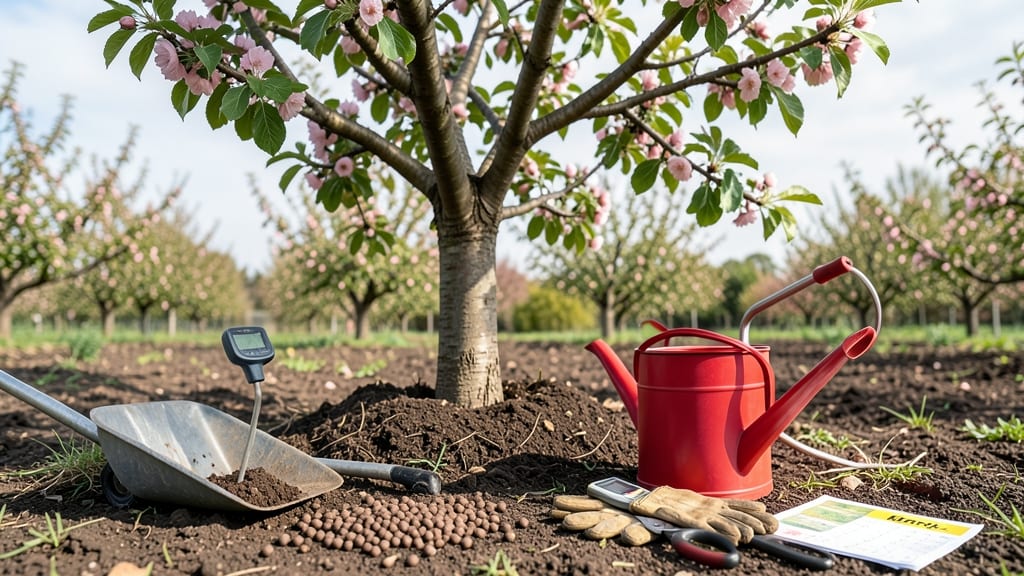
Fertilizing your fruit trees in Northern California at the right time can mean the difference between a bountiful harvest and wasted effort.
Timing your fruit tree fertilization in Northern California isn’t just about when—it’s about how the region’s unique microclimates, soil types, and seasonal shifts affect nutrient uptake. Get it wrong, and you could waste fertilizer or even harm your trees.
Here’s the key: Dormant season (late winter) and post-harvest (fall) are your two best windows. Coastal areas like the Bay may need adjustments, while inland zones like the Central Valley have different rules.
Below, I’ll break down the exact timing for citrus, stone fruit, and avocado trees, plus how to read your soil’s signals to fertilize smarter—not harder.
Northern California’s best fertilization windows: dormant season vs. post-harvest timing
Northern California’s mild winters and diverse microclimates create unique challenges for fruit tree fertilization. Unlike hotter climates, our coastal fog belts and Central Valley heat demand precise timing to avoid nutrient waste or tree stress.
The two most critical fertilization windows—dormant season (late winter) and post-harvest (fall)—align with your trees’ natural growth cycles but require regional adjustments.
In dormant season (February–March), trees need nutrients to break dormancy and prepare for spring growth. However, coastal areas like the Bay Area may experience cooler, wetter conditions, while inland valleys like Sacramento warm up faster.
Post-harvest fertilization in fall (October–November) rebuilds root reserves, but timing must account for first frost dates and soil moisture levels.
Soil testing is your first step—Northern California soils often lack organic matter or have pH imbalances (especially clay-heavy Central Valley soils). A simple home test kit ($20–$30) reveals whether your soil needs lime (for acidity) or compost (for fertility).
Adjust your fertilizer blend based on these results to maximize efficiency.
Here’s how the two key fertilization windows compare for common Northern California fruit trees like peach, apple, citrus, and avocado, with climate-specific adjustments:
For dormant-season fertilization, focus on nitrogen-rich fertilizers like
How to adjust fertilizer timing for Northern California’s microclimates
Northern California’s diverse microclimates—from coastal fog belts to Central Valley heat—mean your fruit tree fertilization schedule can’t be one-size-fits-all. What works for a citrus tree in San Francisco might burn a stone fruit tree in Sacramento.
Let’s break down how to tailor your approach to thrive in these varied conditions.
In the coastal fog zones (like the San Francisco Bay Area), cooler temperatures and higher humidity slow nutrient uptake, while the Central Valley’s intense heat demands more frequent feeding. Meanwhile, Sierra foothills face early frosts that shift your timing earlier.
Understanding these differences ensures your trees get nutrients when they need them most, not when it’s convenient for you.
- 1 Coastal Fog Belts (e.g., San Francisco): Delay spring feeding until late March to April—wait for consistent daytime temps above 60°F. Use half-strength fertilizer to avoid salt burn in damp soils. Citrus trees here benefit from monthly foliar sprays in summer to combat nutrient leaching from fog.
- 2 Central Valley Heat (e.g., Sacramento): Start fertilizing earlier (February) and feed every 3-4 weeks through June. Stone fruit trees (peaches, plums) need higher potassium (use 10-10-20 NPK) to handle summer stress. Avoid fertilizing after July to prevent late-season growth vulnerable to frost.
- 3 Sierra Foothills (e.g., Auburn): Shift feeding to January-February due to earlier frosts. Use slow-release fertilizers to prevent nutrient runoff from spring rains. Avocado trees here need zinc supplements—test soil in fall to apply before dormancy.
- 4 Rainfall Adjustments: In wetter winters (coastal), reduce fall feeding to 50% to avoid root rot. In dry inland areas, water deeply 24 hours before fertilizing to prevent root burn. Always mulch heavily (4-6 inches) to retain moisture and regulate soil temps.
Don’t overlook tree species differences: Citrus trees thrive on regular, light feedings year-round (except winter), while stone fruits need heavy feeding before bloom but minimal summer input.
For example, a lemon tree in Half Moon Bay might need monthly feeding from March to October, whereas a peach tree in Modesto should get 80% of its annual fertilizer by May.
Pro tip: Use a soil probe to check moisture before fertilizing—dry soils need pre-watering, while soggy soils may require waiting. Pair this with a quick pH test (ideal range: 6.0–7.0 for most fruit trees).
In clay-heavy Central Valley soils, amend with compost or gypsum before fertilizing to improve nutrient availability.
Remember, over-fertilizing is worse than under-fertilizing in Northern California’s variable climates. Start with half the recommended dose, observe your tree’s response, and adjust. With these microclimate-specific tweaks, your fruit trees will reward you with healthier growth and bigger harvests—no matter where you garden in the Golden State. 🌿