
Pruning
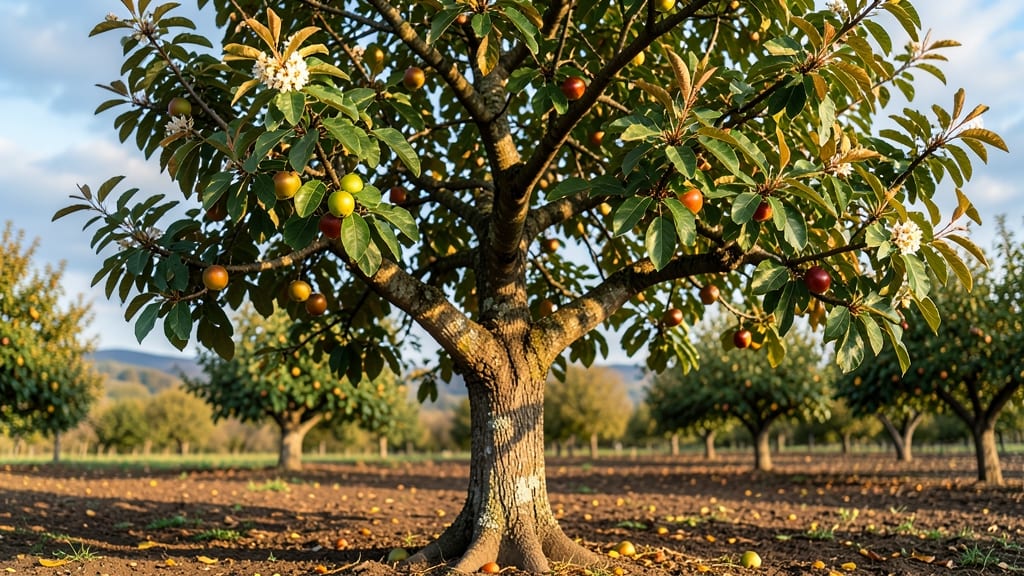
Fruit tree soil pH should range between 6.0 and 7.0 for most varieties, though acid-loving plants like blueberries and azaleas thrive at 4.5–5.5. Use sulfur to lower pH or lime to raise it, testing soil every 6–12 months to maintain balance. Proper pH levels directly impact nutrient absorption and fruit production.
Soil pH isn't just about numbers—it's the foundation of your fruit tree's health. 🌱 When pH strays from the ideal range, roots struggle to absorb essential nutrients like nitrogen, phosphorus, and iron, leading to yellowing leaves or stunted growth.
For instance, citrus trees prefer slightly acidic soil around 6.0–7.0, while cranberries and blueberries need that lower range of 4.5–5.5 to unlock their full potential.
Testing your soil with a simple kit (available at garden centers) gives you the exact data to make precise adjustments—whether that means adding crushed limestone to raise pH or elemental sulfur to lower it.
Here's the kicker: pH isn't static. Rainfall, organic matter decomposition, and even seasonal changes can shift your soil's acidity over time. That's why I recommend testing annually, especially after major amendments.
For example, if you're growing peaches in clay-heavy soil, you might need to adjust pH more frequently because clay naturally holds onto nutrients differently than sandy soil. The goal? Keep your trees thriving by giving them the perfect growing conditions.
💡 In This Article
- How Soil pH Affects Fruit Tree Health and Nutrient Uptake
- Step-by-Step Guide to Testing and Adjusting Fruit Tree Soil pH
How soil pH affects fruit tree health and nutrient uptake
Soil pH directly controls which nutrients your fruit tree can absorb—think of it like a lock-and-key system. At the ideal 6.0–7.0 range, roots efficiently take up essential elements like nitrogen, phosphorus, and calcium. But when pH drifts too high (alkaline) or low (acidic), specific nutrients become locked away or toxic.
For example, iron deficiency (chlorosis) often appears in alkaline soils because iron becomes insoluble at pH above 7.5, leaving leaves yellow between veins while stems stay green. 🌿 Meanwhile, aluminum toxicity can occur in overly acidic soils (below 5.0, common with blueberries), stunting root growth.
Different fruit trees have evolved to thrive in specific pH ranges due to their natural habitats. Citrus trees, for instance, prefer slightly acidic to neutral soil (6.0–7.0) because their native Mediterranean soils are naturally calcareous.
In contrast, blueberries and cranberries hail from acidic bogs where pH stays between 4.5–5.5—their roots can't absorb nutrients efficiently outside this range. Even within the same species, grafted trees might have different pH tolerances based on their rootstock.
The science here is fascinating: pH affects the electrical charge of soil particles, which determines how strongly nutrients bind to them.
Root health suffers most when pH is off. At extreme levels, beneficial soil microbes that help break down organic matter (like mycorrhizal fungi) become less active, weakening the tree's ability to access water and nutrients. You'll often see stunted growth or poor flowering when roots can't function optimally.
For example, peach trees in alkaline soil may develop zinc deficiency, causing small, brittle leaves—even if the soil appears rich in organic matter. The key is maintaining balance: a 1-unit pH change can double or halve nutrient availability for certain elements.
Visual clues help identify pH-related issues before they become severe. Yellowing leaves on citrus trees often signal high pH, while dark green, stunted growth in blueberries points to soil that's too alkaline. The good news? Most fruit trees are resilient enough to handle slight pH variations if adjusted gradually.
For instance, raising soil pH from 5.0 to 6.0 for a peach tree might take 6–12 months with regular lime applications, but the payoff is healthier roots and better fruit set. The opposite is true for acid-loving plants—adding sulfur to lower pH too quickly can burn roots.
Seasonal factors also play a role in pH management. During rainy seasons, acidic soils may become even more acidic as water leaches away calcium and magnesium. Conversely, dry summers can concentrate alkaline minerals in the soil.
That's why I recommend testing pH in early spring before planting or fertilizing—when the soil is at its most stable. For container-grown fruit trees, pH shifts happen faster because water drains through the soil more quickly, requiring more frequent monitoring.
Here's what most gardeners miss: pH affects not just nutrient uptake, but also how plants defend themselves. At optimal pH, trees can produce natural compounds that deter pests and diseases. For example, apple trees in slightly acidic soil (6.0–6.5) develop stronger cuticles that resist fungal infections.
The takeaway? Getting your soil's pH right isn't just about feeding your trees—it's about setting them up to protect themselves naturally. 🌳