
Trees
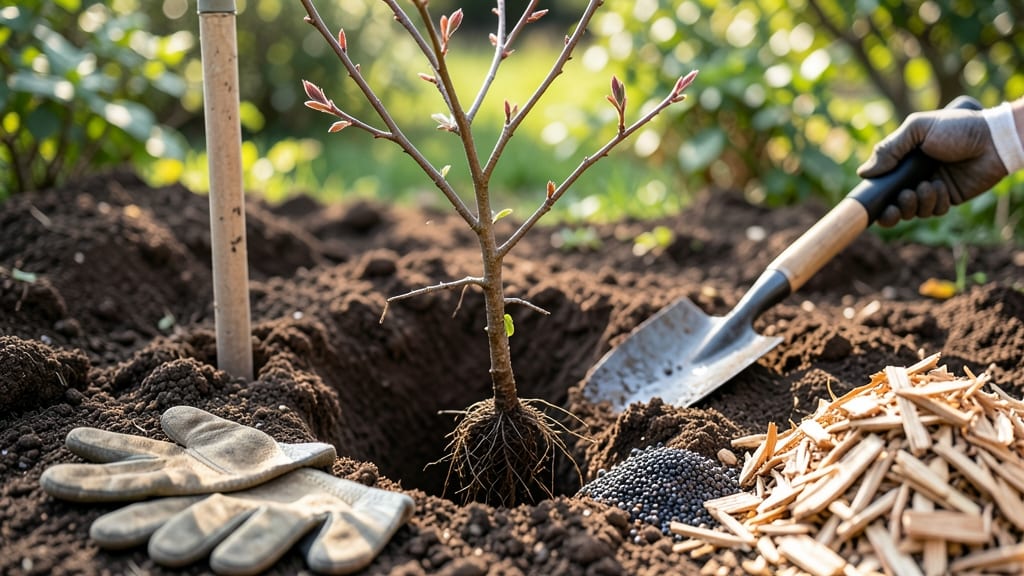
Fruit trees should be planted during their dormant season—typically late winter to early spring before bud break—to give roots time to establish before the growing rush.
Picture this: you’ve just spent $150 on a bare-root apple tree, only to watch it languish because you planted it in sweltering summer heat. That’s why timing isn’t just about seasons—it’s about soil temps, frost dates, and even moon phases that pros swear by.
In USDA Zone 6a, like much of the Midwest, the ideal window is March or April, when the ground is workable but buds haven’t swelled. But subtropical climates? Those rules flip entirely, and citrus or figs need a whole different playbook.
Here’s the game-changer: I’ll walk you through how to read your tree’s signals (yes, they talk to you), the 3 mistakes that kill new plantings, and exactly when to feed, water, and mulch for roots that’ll last decades.
Best planting times for fruit trees by climate Zone
Timing your fruit tree planting is like catching a wave—too early, and you risk frost damage; too late, and roots won't establish before summer heat. The dormant season (when trees rest) is your golden window, but exact timing varies wildly by climate zone.
In temperate zones, I plant between late winter and early spring, while subtropical gardeners might opt for fall or early winter to avoid summer stress. Tropical climates? They're a whole different game with year-round planting potential.
Your last frost date is the ultimate deadline—plant 4-6 weeks before it to give roots time to anchor before spring growth. But don't just rely on calendars! Watch for bud swell (when buds plump up) or leaf drop in subtropical areas—these are nature's countdown timers.
For container-grown trees, you've got more flexibility, but bare-root trees demand precision.
| Climate Zone | Best Planting Window | Key Cues | Soil Temp | Notes |
|---|---|---|---|---|
| Temperate (Zones 4-7) | Late winter to early spring (Feb-Apr) | Bud swell, no frost risk | 40-50°F (4-10°C) | Avoid planting when ground is frozen |
| Subtropical (Zones 8-10) | Fall (Sep-Nov) or early winter | Leaf drop, warm soil | 55-65°F (13-18°C) | Citrus thrives in cooler fall |
| Tropical (Zones 11-12) | Year-round (best: rainy season) | Consistent moisture | 70-85°F (21-29°C) | Mangoes prefer warm, wet soil |
| Dry Climates (Zones 5-9) | Late fall or winter (Nov-Jan) | Soil moisture available | 50-60°F (10-15°C) | Peaches need winter chill |
| Coastal (Moderate) | Winter (Dec-Feb) | Mild temps, no frost | 45-55°F (7-13°C) | Avocados love coastal winters |
In temperate zones (like my USDA Zone 6 garden), I aim for March planting—just as daffodils push through the soil. This gives roots 8-10 weeks to establish before summer's heat.
For stone fruits like peaches and cherries, timing is critical—they need chill hours (300-900, depending on variety) during winter dormancy. Plant too late, and you might skip that crucial cold snap.
Subtropical gardeners have a trickier balance. My friend in Zone 9 plants avocado trees in fall to avoid summer's brutal heat. Look for leaf drop in deciduous varieties like figs—this signals the tree's natural dormant period.
Evergreens like citrus? They're less fussy but still prefer cooler soil temps (around 60°F) to prevent root shock.
Tropical climates throw out the rulebook. In Zone 11, I've seen mango trees planted during the wet season (May-October) when soil stays consistently moist. The key?
Avoid planting during drought stress or typhoon season. Container-grown tropical trees can go in anytime, but bare-root types need that moisture-rich soil to prevent transplant shock.
Don't overlook microclimates—your backyard might be 5°F warmer than the official zone average. I once planted a peach tree in my south-facing microclimate a full month earlier than my neighbor's north side, and it thrived.
Use a soil thermometer (they're cheap!) to confirm temps match your zone's ideal range before digging.
Pro tip: Bare-root trees need moist but not soggy soil at planting. I soak the roots for 2-3 hours before setting them in, then backfill with well-draining soil. Container-grown trees? Gently tease apart roots if they're circling—they'll establish faster. And never plant when the ground is frozen or waterlogged.
For citrus trees in warm climates, I've found late summer planting (August-September) works surprisingly well. The tree gets a head start on root growth before winter's mild chill.
Just avoid high summer heat—transplant shock becomes deadly when temps hit 95°F+. Always mulch heavily (3-4 inches) to retain moisture and regulate soil temperature.
Remember: Tree size
How to identify the perfect dormant season planting window
Timing your fruit tree planting during dormancy is like catching a wave—too early and you risk frost damage, too late and roots won’t establish before growth begins. The ideal window falls when trees are fully dormant but soil remains workable.
This usually means late winter to early spring, typically 4-6 weeks before bud break.
For most regions, this translates to February through March in temperate climates. However, subtropical zones may shift this to late fall (October-November), while tropical climates often allow year-round planting with minimal dormancy. Always check your last frost date—this is your planting deadline.
⚠️ WARNING: Planting at the Wrong Time
⚠️ Critical Mistake: Planting Too Early
When soil temps drop below 40°F (4°C), roots can’t absorb moisture, leading to rot or desiccation. Early planting also risks frost damage to newly exposed bark. Peach trees, for example, are especially vulnerable if planted before soil thaws to 50°F (10°C).
⚠️ Critical Mistake: Planting Too Late
If you wait until bud break or later, trees divert energy to leaf and fruit production instead of root establishment. This results in shallow roots, poor drought tolerance, and stunted growth. Apple trees planted after March 15 in Zone 6 often struggle to recover by summer.
✅ Pro Tip:
Use a soil thermometer—50-60°F (10-15°C) is ideal. Pair this with moon phase guidance: Plant during a waxing moon (increasing light) to boost root growth.
Nature gives you clear signals. Watch for leaf drop in fall or bud swell in spring—these mark dormancy’s edges.
For bare-root trees, roots should appear moist but not soggy; if they’re dry, soak them for 2-4 hours before planting. Container-grown trees can handle slightly later planting since their roots stay active longer.
Regional cues matter too. In Pacific Northwest climates, wait until March when cherry blossoms appear. In the Southeast, aim for January-February before camellias bloom. Always prioritize soil temperature over calendar dates—40°F (4°C) is the minimum for safe planting.
Don’t ignore tree species signals. Stone fruits (peaches, plums) need cooler dormancy, while pome fruits (apples, pears) tolerate slightly warmer soil. Citrus trees in subtropical zones thrive when planted in fall, aligning with natural rainfall patterns.
Adjust your timing based on whether your tree is deciduous or evergreen.
Finally, avoid the new moon for planting—this phase correlates with root stress. Instead, choose a waxing gibbous moon (7 days before full moon) to harness gravitational energy for deeper root penetration. Pair this with well-draining soil and mulch to retain moisture during dormancy’s transition to growth. 🌱