
Picking
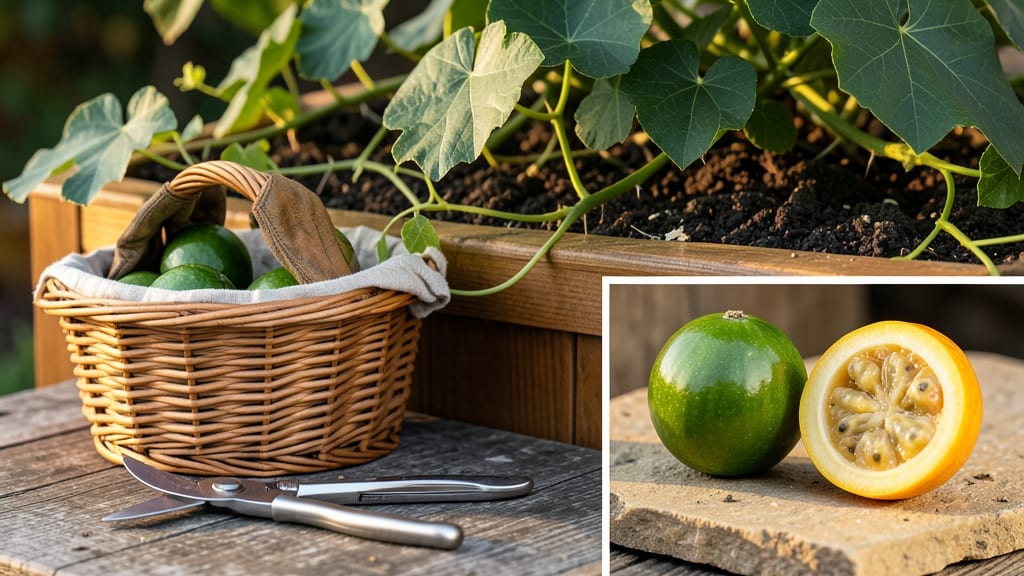
Passionfruit ripen between August and October in USDA Zone 6a, but the exact timing depends on your variety and climate—purple passionfruit 🍈 often mature earlier than yellow types.
If you’ve ever wondered why your vine is full of flowers but no fruit—or why some passionfruits ripen months earlier than others—this month-by-month guide will unlock the secrets to timing your harvest perfectly.
Most varieties need 180 to 300 days from flowering to harvest, but cooler climates can stretch that window. The key is watching for color changes, a sweet scent, and a slight softness when you gently squeeze the fruit.
Below, I’ll break down the ripening timeline by variety, share foolproof ways to test readiness, and even offer tips to extend your harvest season—so you can enjoy that tropical flavor all the way through fall.

Passionfruit ripening timeline: month-by-month by variety
Timing your passionfruit harvest depends on both variety and climate zone. Purple passionfruit, yellow passionfruit, and granadilla each ripen on different schedules, with tropical zones producing fruit year-round while temperate gardeners must adjust for seasonal shifts.
Understanding these patterns helps you plan pruning, fertilizing, and even winter protection to maximize your yield.
In tropical climates, passionfruit vines can flower and fruit continuously, but in subtropical and temperate zones, fruiting typically peaks during warm months.
For example, a purple passionfruit vine in Florida may produce fruit every 8-10 weeks after flowering, while the same vine in California’s coastal regions might take 12-14 weeks due to cooler nights. Granadilla, a less common but delicious variety, often ripens 2-4 weeks later than its purple or yellow counterparts.
Below is your month-by-month ripening guide, tailored to the three most popular varieties. Use this as a roadmap to predict when to expect fruit, adjust your care routine, and troubleshoot if ripening stalls.
Whether you’re in USDA Zone 10 or Zone 9, these timelines will help you stay ahead of the game.
If you’re growing purple passionfruit in a tropical climate, expect your first harvest as early as January-February, followed by cycles in May-June and September-October. This continuous production makes it ideal for gardeners who want fruit year-round.
In subtropical zones, like Southern California, fruiting shifts to March-April and July-August, aligning with warmer months when pollinators are most active.
For yellow passionfruit, the ripening window is slightly later, especially in cooler regions. In temperate zones like Zone 9, you’ll likely see fruit in June-July and again in September-October. This variety is more cold-sensitive, so protecting vines from late-spring frosts is critical.
In subtropical areas, yellow passionfruit ripens in April-May and August-September, often producing larger fruit due to longer daylight hours.
Granadilla, with its unique egg-shaped fruit and sweeter flavor, ripens later than both purple and yellow varieties. In tropical zones, it’s ready in April-May and August-September, while temperate gardeners may only get one harvest in July-August. This variety thrives in humid conditions and benefits from regular pruning to improve airflow and reduce fungal risks like passionfruit woodiness disease.
Adjust your harvest expectations based on your local climate. For example, in Florida’s heat, passionfruit may ripen in as few as 12 weeks, but in cooler coastal California, it can take up to 16 weeks.
Pay attention to temperature fluctuations: nights below 55°F (13°C) can delay ripening, while consistent 75-85°F (24-29°C) days speed it up. If your fruit isn’t ripening on schedule, check for poor pollination—hand-pollinating flowers with a soft brush can boost yields.
To maximize your passionfruit harvest, align your care routine with these timelines. Start fertilizing heavily in spring to support flowering, then switch to a lower-nitrogen feed
How to tell when passionfruit are truly ripe (and ready to pick)
Passionfruit ripening can feel like a guessing game—one day your vine is heavy with fruit, and the next, you're left wondering if you missed the perfect moment. The key lies in combining visual cues, touch tests, and scent indicators to avoid underripe (tart) or overripe (mushy) fruit.
I’ve learned the hard way that ignoring these signs can mean sacrificing flavor and yield, so let’s break it down into foolproof steps.
First, understand that passionfruit varieties ripen differently. Purple passionfruit (like Passiflora edulis) typically ripen in 7-9 months from flowering, while yellow varieties (such as Passiflora ligularis) may take 8-10 months.
Climate also plays a role—cooler temperatures can delay ripening, while heat speeds it up. If your fruit isn’t ripening on schedule, don’t panic—we’ll troubleshoot common delays later.
- 1
- 2
- 3
- 4
- 5
If your passionfruit aren’t ripening as expected, check for pollination issues—passionfruit rely on bees or hummingbirds to transfer pollen.
If flowers appear but no fruit sets, hand-pollinate with a small brush. Temperature stress (below 60°F/15°C) can also stall ripening, so protect your vine with row covers if frost is forecasted.
Once you’ve confirmed ripeness, harvest promptly to enjoy peak flavor. Store unripe passionfruit at room temperature to finish ripening, but avoid refrigeration until fully ripe—cold temperatures can dull their vibrant taste. With these cues, you’ll never miss another harvest again!
Pro tip: Mark your calendar when flowers appear and track 180-240 days later for ripening. Consistency is key—don’t let a few ripe fruits fool you into thinking the rest are ready! 🌱