
Diseases
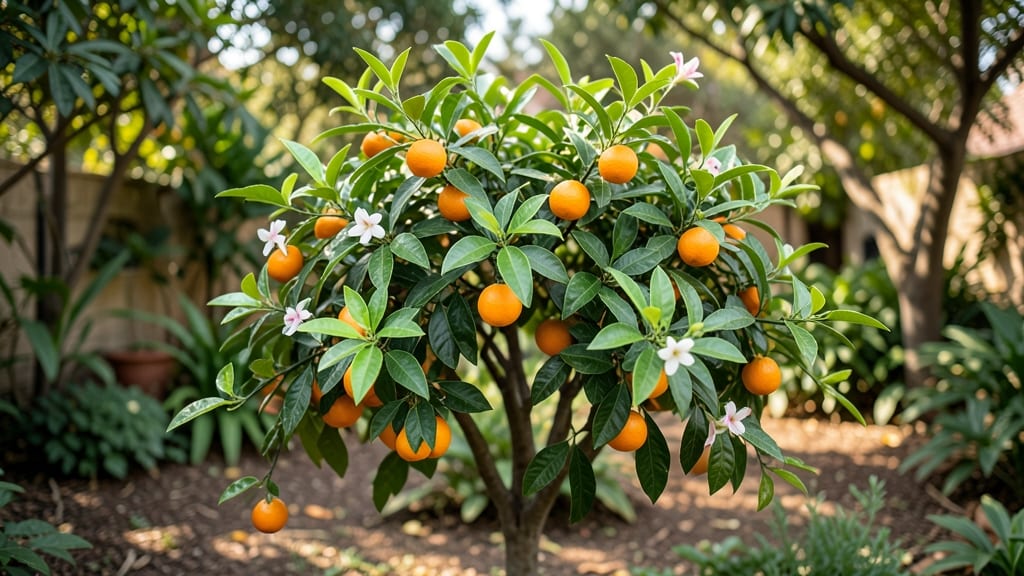
Calamondin fruit is a small, tart hybrid citrus resembling a lime-orange cross, prized for its intense citrus aroma, deep orange-red skin, and sour-sweet pulp used in cooking, drinks, and traditional medicine.
This unique citrus hybrid combines the bright acidity of limes with the aromatic depth of oranges, creating a flavor profile that's both bold and complex. 🌿 Unlike common citrus fruits, calamondins pack a concentrated burst of tanginess in their tiny, 1-inch diameter fruits, making them ideal for adding zing to dishes without overwhelming other flavors.
The rind's thick, textured skin and abundant seeds distinguish it from its sweeter orange cousins, while its compact tree size makes it perfect for container gardening in warm climates.
What sets calamondins apart is their versatility—chefs use the pulp in marinades, desserts, and sauces, while the rind's essential oils find uses in perfumes and natural remedies.
I've found that even a few drops of calamondin juice can elevate a simple vinaigrette or cocktail, proving that small fruits can deliver big flavor impact.
💡 In This Article
- Calamondin Fruit Origins and Botanical Traits
- Growing Calamondin Trees: Care Tips for Home Gardens
Calamondin fruit origins and botanical traits
The calamondin's fascinating lineage traces back to a deliberate cross between a mandarin orange (Citrus reticulata) and a kumquat (Fortunella margarita), likely in Southeast Asia centuries ago. This hybrid citrus thrives in tropical and subtropical climates where temperatures stay between 65-85°F year-round.
The resulting fruit inherits the mandarin's sweet undertones while amplifying the kumquat's intense acidity, creating that signature sour-sweet balance that makes it so distinctive. 🌱
Visually, calamondins stand out with their 1-1.5 inch diameter fruits that resemble tiny, round oranges with a deep orange-red rind. Unlike smooth-skinned oranges, calamondin rinds have a slightly textured, leathery surface that's thicker and more aromatic.
The interior contains 10-15 small, hard seeds per fruit—far more than typical oranges—which gives the pulp a slightly grainy texture when used fresh. This seed abundance is one reason why calamondins are often processed (juiced, candied) rather than eaten whole.
What makes calamondins botanically unique is their compact growth habit. Mature trees typically reach only 8-12 feet tall, making them ideal for container gardening in urban spaces.
The leaves, measuring about 1-2 inches long, emit a strong citrus aroma when crushed—a sensory clue to their high essential oil content.
These oils, found in both the rind and pulp, contain compounds like limonene and linalool that contribute to their complex flavor and therapeutic properties used in traditional medicine.
When comparing calamondins to their citrus cousins, the differences become clear: while oranges have 0.5-1% acidity and 8-12% sugar, calamondins contain 3-5% acidity with only 4-6% sugar, explaining their sharp, tangy punch.
The fruit's small size also means higher surface-area-to-volume ratio, concentrating those flavors. This high acidity makes calamondins particularly effective at tenderizing meats or brightening rich dishes where you want to cut through fat.
One often-overlooked trait is how calamondins produce fruit year-round in tropical climates, with peak harvests during dry seasons. Unlike many citrus trees that bear fruit only once a year, calamondins can yield 2-3 crops annually under ideal conditions.
This continuous production, combined with their disease resistance (compared to more delicate citrus varieties), makes them a gardener's favorite for reliable harvests. 🌿
The fruit's hybrid nature also explains why calamondins exhibit such flavor versatility. While the pulp delivers that signature tartness, the rind contains concentrated citrus oils that add depth to both sweet and savory applications.
This dual-flavor profile is why calamondins shine in everything from Filipino sinigang (sour soup) to Vietnamese chè (fruit tea), where both the juice and zest play essential roles in balancing flavors.