
Fertilization
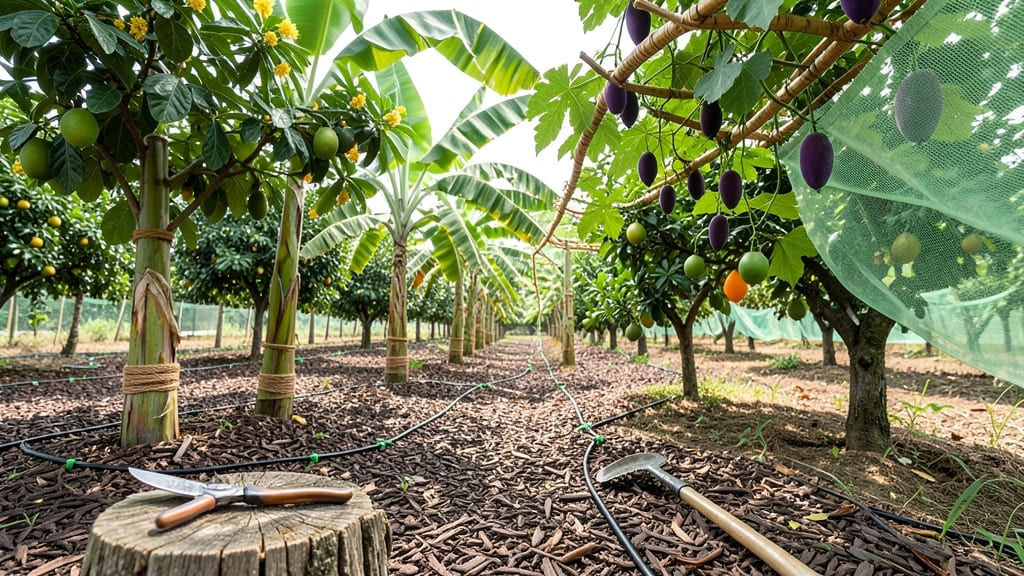
Tropical fruit farming in your backyard means juicy mangoes and sweet pineapples year-round—if you nail the soil first. 🌿 The secret isn’t just the right plants; it’s creating a nutrient-rich foundation that mimics their native rainforest conditions. My first attempt failed miserably until I learned how to boost the soil with organic matter and microbial life. Tropical fruits crave well-draining, slightly acidic soil packed with compost and worm castings. Think of it like giving them a sponge that holds moisture without drowning roots. I’ve tested different mixes, and the one with 50% coconut coir, 30% compost, and 20% perlite keeps my citrus and avocado trees thriving—even in Florida’s heat. What you’ll end up with is vibrant green foliage, faster fruiting, and plants that resist disease better. The key is maintaining that balance—too much nitrogen makes leaves, not fruit, while too little phosphorus stunts growth. I’ll show you how to test and adjust your soil like a pro. This works for backyard gardeners and small farms alike. Whether you’re growing in pots or full beds, the principles stay the same—just scale up the soil volume. Let’s get those tropical flavors growing!
📚 In This Guide
- What you need
- Instructions
- Tips and common mistakes
- Wrapping up and next steps
What you need
- ● Fruit Tree Saplings: 10–50+ (depending on orchard size) – Choose disease-resistant varieties like mango, papaya, banana, or guava.
- ● Soil Amendments: Compost (5–10 bags per tree) – Boosts organic matter and microbial life.
- ● Biochar (2–3 bags per tree) – Enhances soil structure and nutrient retention.
- ○ Worm castings (optional but recommended) – Adds nitrogen and improves soil aeration.
- ● Fertilizers: Balanced organic fertilizer (e.g., 5-5-5 or 6-6-6 NPK) – 2–3 lbs per tree, 2–3 times/year.
- ● Micronutrient blend (e.g., kelp meal, fish emulsion) – 1 lb per tree, monthly.
- ● Citric acid or Epsom salt (magnesium sulfate) – For pH adjustment and deficiency fixes.
- ● Irrigation Supplies: Drip irrigation kit (with emitters) – Covers 1–2 acres efficiently.
- ● Rainwater collection barrels (2–4 per acre) – Reduces water costs and conserves resources.
- ● Tools: Pruning shears (sharp, stainless steel) – For shaping and harvesting.
- ● Shovel and mattock – For planting and soil prep.
- ● Wheelbarrow – For transporting soil, compost, and tools.
- ● pH testing kit – Ensures soil is in the ideal range (5.5–7.0 for most tropical fruits).
- ● Mulch: Straw or wood chips (3–4 inches thick) – Retains moisture and suppresses weeds.
- ● Shade Cloth: 30–50% coverage – Protects young saplings from harsh sun.
- ● Pest Control: Neem oil spray – Organic insecticide/fungicide.
- ● Bird netting – For fruit protection.
- ● Monitoring Tools: Soil moisture meter – Tracks hydration levels.
- ● Growth charts – Tracks tree height and fruit yield.
How to establish a productive tropical fruit orchard
Here’s the method I’ve used to grow tropical fruits reliably—focused on soil health and climate control.
🌱 Step 1: Select the Right Tropical Varieties for Your Climate
Not all tropical fruits thrive in the same conditions. For example, mangoes need hot, dry seasons and high humidity, while papayas tolerate slightly cooler temperatures. Research your USDA hardiness zone and choose varieties that match your local climate—some tropical fruits like citrus can handle brief cold snaps if protected, while others like avocados require year-round warmth. I always pick dwarf or semi-dwarf varieties for easier maintenance, especially if space is limited.
Start with 4-6 plants of each variety to ensure pollination and fruit set. Some tropical fruits, like bananas, are self-pollinating, but others like citrus benefit from planting multiple trees. Check seed packets or nursery tags for specific spacing recommendations—15-20 feet apart is typical for most tropical fruit trees to allow airflow and sunlight penetration.
☀️ Step 2: Prepare the Soil for Optimal Growth
Tropical fruits demand well-draining, nutrient-rich soil with a slightly acidic pH (6.0-7.0). Before planting, amend your soil with composted organic matter and aged manure to improve fertility. I mix in perlite or coarse sand to prevent waterlogging, which tropical roots hate. Test your soil’s pH—if it’s too alkaline, add sulfur or peat moss to lower it gradually.
Dig holes twice as wide as the root ball but no deeper. This encourages roots to spread horizontally, which is critical for stability in tropical climates. Place a layer of crushed rock or gravel at the bottom of the hole to improve drainage. If your soil is particularly heavy, consider planting in raised beds to give roots better aeration.
🪴 Step 3: Plant and Establish Young Trees Properly
Plant your tropical fruit trees during the early rainy season or late dry season to minimize stress. Handle the root ball carefully—never let roots dry out before planting. Place the tree in the hole so the graft union (if present) is 2-3 inches above soil level to prevent rot. Backfill with native soil mixed with compost, tamping lightly to remove air pockets.
Water deeply immediately after planting to settle the soil and eliminate air gaps. Mulch around the base with 3-4 inches of organic mulch (like wood chips or straw) to retain moisture and regulate soil temperature. Keep mulch 6 inches away from the trunk to prevent rot. For the first 30 days, water every 2-3 days until the tree shows signs of new growth—this signals the roots have established.
💧 Step 4: Maintain Year-Round Care for Continuous Harvests
Tropical fruits thrive on consistent moisture but hate soggy roots. Water deeply 2-3 times per week during dry seasons, adjusting for rainfall. Use drip irrigation to deliver water directly to the root zone and reduce evaporation. Fertilize every 3 months with a balanced organic fertilizer (like 6-6-6) to support steady growth. I also add citrus-specific fertilizer for acid-loving trees like guavas or passionfruit.
Prune lightly in early spring to remove dead or crossing branches and improve airflow. Avoid heavy pruning—tropical trees produce fruit on new growth, and aggressive cuts can reduce yields. Watch for pests like aphids or fruit flies—use neem oil or insecticidal soap as a preventative spray. If your trees are in a cooler microclimate, protect them with frost cloth during unexpected cold snaps.
⏰ Step 5: Time Harvests for Peak Flavor and Productivity
Harvest tropical fruits at the right stage of ripeness—some, like mangoes, ripen off the tree, while others, like bananas, must be picked when fully colored. Learn the specific cues for each fruit: papayas soften when ripe, citrus releases easily from the tree, and avocados change color and yield slightly to gentle pressure. I always harvest in the morning when fruits are coolest and most flavorful.
After harvest, feed the soil again with compost to replenish nutrients. Tropical trees are heavy feeders, and their fruit production depletes soil quickly. Rotate crops if possible—planting legumes like pigeon peas between fruit trees helps fix nitrogen naturally. With consistent care, your tropical orchard will produce year-round, delivering fresh fruit straight from your garden.
Tips & tricks for establishing a thriving tropical fruit orchard
Real talk: The difference between a struggling orchard and one bursting with fruit often comes down to these overlooked details. Let me share what I’ve learned after years of trial and error—because nobody wants to waste time on plants that refuse to thrive.
Climate Matching: Don’t just pick tropical fruits—pick the right varieties for your specific microclimate. For instance, while mangoes demand high humidity and heat, citrus trees can handle brief cold snaps if properly protected. I’ve seen avocado trees suffer in areas with even slight winter chills, so always verify your USDA zone compatibility. Pro tip: Start with 4-6 plants of each variety to ensure proper pollination, especially for non-self-pollinating species like citrus.
Soil Science: The slightly acidic pH range of 6.0-7.0 isn’t just a recommendation—it’s critical. I’ve tested my soil multiple times and found that even a slight deviation can stress tropical plants. For heavy soils, raised beds create the perfect drainage while still maintaining moisture. And that layer of crushed rock at the bottom of planting holes? It’s not just for show—it prevents root rot by ensuring water flows away from the roots during heavy rains.
Establishment Timeline: Those first 30 days after planting are make-or-break. Watering every 2-3 days until new growth appears isn’t arbitrary—it’s about giving roots time to establish without drowning. I’ve seen many gardeners overwater during this period, thinking more is better. The key is deep watering that penetrates 12-18 inches into the soil, encouraging roots to grow downward where they’ll find stability.
Harvesting Insight: The morning harvest isn’t just about cooler temperatures—it’s when fruits have had overnight to develop their full sugars. I learned this the hard way with papayas that tasted bland when picked in the afternoon. For fruits that ripen off the tree (like mangoes), harvest when they yield slightly to gentle pressure and have developed their characteristic aroma. This is particularly important for tropical fruits, whose flavors peak at very specific ripeness stages.
Pro Tips for Tropical Fruit Farming
- Real talk: The difference between a struggling orchard and one bursting with fruit often comes down to these overlook...
- Climate Matching: Don’t just pick tropical fruits—pick the right varieties for your specific microclimate. For instan...
- Soil Science: The slightly acidic pH range of 6.0-7.0 isn’t just a recommendation—it’s critical. I’ve tested my soil ...
Frequently asked questions
Got questions about tropical fruit farming? You’re not alone! Here are some of the most common queries—plus straightforward answers to help you grow like a pro.
What’s the easiest tropical fruit to grow for beginners?
Start with papayas or bananas—they’re fast-growing, resilient, and thrive in warm climates with minimal fuss. Pineapples are another great pick if you’re patient (they take 18–24 months to fruit but need little maintenance). Avoid fussy varieties like durian unless you’re ready for advanced care!
How long does it take for tropical fruits to bear fruit after planting?
Timelines vary wildly! Bananas can produce fruit in 9–12 months, while mangoes and guavas take 3–5 years. Citrus trees (like lime or orange) may take 2–4 years to bear. Patience is key—focus on soil health and consistent care to speed up the process!
Can I grow tropical fruits in containers, or do I need a full garden?
Many tropical fruits—like dwarf citrus, papayas, and strawberries—thrive in 5-gallon+ containers with well-draining soil. Just ensure they get 6+ hours of sunlight daily and use a balanced fertilizer (like 10-10-10) every 4–6 weeks. Avoid root-bound plants by repotting every 2 years.
What’s the #1 pest or disease threat to tropical fruit trees, and how do I prevent it?
The biggest culprits are fruit flies and fungal diseases (like anthracnose). Prevent pests with neem oil sprays or yellow sticky traps. For diseases, prune for airflow, water at the base (not leaves), and apply copper fungicide if spots appear. Healthy soil = stronger trees!
Is tropical fruit farming profitable, and what’s the best-selling fruit?
Profit depends on scale—small-scale growers often sell at farmers' markets or via CSA subscriptions, while large farms export to global markets. Mangoes, pineapples, and coconuts are top sellers due to high demand. Pro tip: Research local markets first—some regions pay premium prices for organic or heirloom varieties!
Wrapping up and next steps
Tropical fruit farming isn’t just about lush harvests—it’s a rewarding journey of nurturing the earth while reaping delicious, nutrient-packed fruits year-round. 🌿 By mastering soil health with organic fertilizers, smart irrigation, and pest control, you’re not only boosting yields but also creating a thriving ecosystem.
Whether you’re a seasoned farmer or a curious beginner, the key is to start small, stay consistent, and let nature do the rest!
Ready to dive in? Take the first step by testing your soil today—your tropical fruit paradise awaits! 🌱