
Fertilization
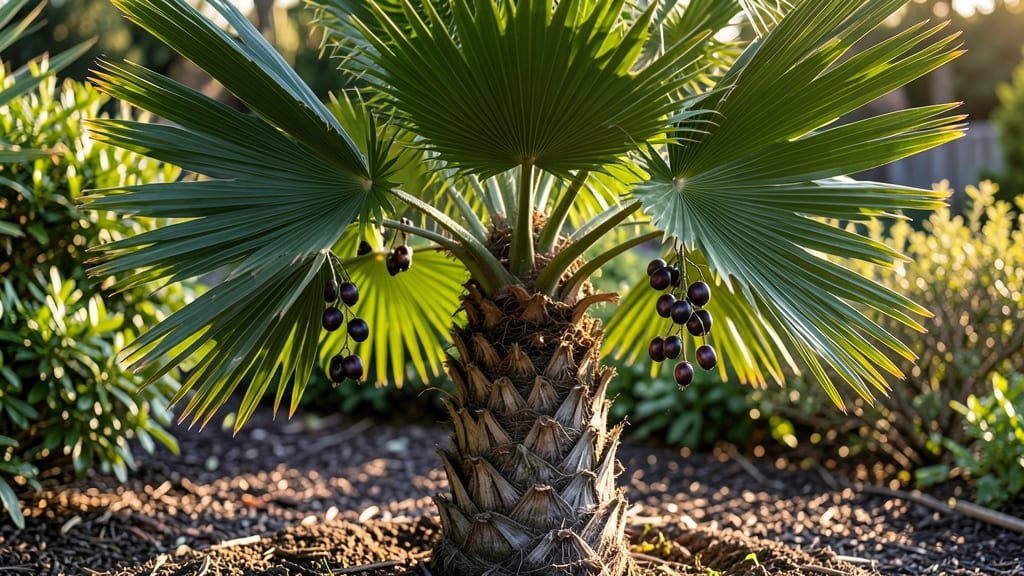
Your Trachycarpus fortunei fruit isn’t the star—it’s the unexpected bonus that turns this cold-hardy palm into a conversation piece. 🌿 While the windmill palm is prized for its architectural fronds and winter resilience, those small, round fruits (when they appear) are a rare treat—though they’re not for eating.
They’re purely ornamental, adding a pop of color to your landscape when most palms have given up for the season.
Here’s the thing about these fruits: they’re fickle. Only mature palms (10+ years old) produce them reliably, and even then, it takes the right conditions—full sun, well-draining soil, and patience.
I’ve seen mine go from zero to a handful of bright orange berries in a single season, all because I finally got the watering right after a dry spell. The key is consistency, not perfection.
What you will get is a palm that thrives where others fail—surviving -10°F winters and still looking sharp. The fruits might not be edible, but the year-round structure they add to your yard is worth every bit of care.
Plus, birds and squirrels will fight over them like they’re the rarest snack in town.
If you’re in Zones 6-9 and tired of palms that wilt at the first frost, this is your plant. The fruits are just the cherry on top of a low-maintenance, high-impact landscape star. Let’s get yours growing strong—and maybe, just maybe, fruiting next year.
📚 In This Guide
- What you need
- Instructions
- Tips and common mistakes
- Wrapping up and next steps
What you need
- ● Fertilizer: Balanced palm fertilizer (e.g., Osmocote Smart-Release Palm Food or Miracle-Gro Shake 'n Feed Palm) – 1 lb per 25 sq. ft. of root zone.
- ○ Optional: Slow-release organic fertilizer (e.g., fish emulsion or worm castings) for eco-friendly growth.
- ● Soil Amendments: Compost or aged manure – 2-3 gallons per palm (mixed into top 6 inches of soil).
- ● Sand (coarse, 1/4-inch grain size) – 5-10 lbs to improve drainage.
- ● Tools: Garden trowel or spade – for soil mixing.
- ● Pruning shears (sterilized) – for trimming dead fronds.
- ● Measuring tape – to track palm height/growth.
- ● Watering can or hose with adjustable nozzle – for deep watering.
- ● Location: Ensure your Trachycarpus fortunei is planted in USDA Zones 6-10, with full sun to partial shade (6+ hours of sunlight daily).
- ○ Water Access: A drip irrigation system or soaker hose (optional but ideal for consistency).
- ● Safety Gear: Gloves (nitrile or leather) – to protect from thorns.
- ● Knee pads – for comfort during soil work.
- ● Seasonal Check: Test soil pH (6.0–7.0 is ideal) with a digital soil pH meter or test kit.
- ● Monitor for pests (e.g., palm weevils) with weekly inspections.
How to maximize Trachycarpus fortunei fruit production in cold climates
Here's the straightforward method I've used to coax fruit from these hardy palms even in chilly zones.
🌱 Step 1: Select and Prepare a Suitable Planting Site
Choose a location with full sun exposure for at least 6-8 hours daily. Trachycarpus fortunei thrives where temperatures stay between 40-80°F—it's one of the few palms that handles frost down to 15°F without damage. The key is well-draining soil; these palms despise soggy roots. Amend heavy clay with 3-4 inches of coarse sand or perlite before planting.
I always plant in early spring after the last frost, giving the palm 4-6 months to establish roots before winter. Dig a hole twice as wide as the root ball but only as deep. The crown should sit just above soil level—burying it too deep causes rot. Water deeply immediately after planting to settle the soil around roots.
☀️ Step 2: Provide Optimal Growing Conditions for Fruit Set
Fruit production requires consistent moisture without waterlogging. Water deeply once weekly during dry spells, aiming for 1-1.5 inches of water per week. You'll know it's right when the top 2-3 inches of soil feel damp but not saturated. Overwatering stresses the plant and reduces fruit set.
Apply a balanced palm fertilizer (8-8-8 or similar) every 6-8 weeks starting in early spring. I switch to a low-nitrogen, high-potassium formula (like 4-7-10) once flowering begins to encourage fruit development. Avoid high-nitrogen fertilizers—they promote leaf growth at the expense of fruit.
🌿 Step 3: Encourage Flowering Through Proper Pruning
Remove dead fronds by cutting them at the base with clean, sharp pruners. Never pull fronds—they can tear the crown. I prune only when more than 50% of the frond is brown and dry. This keeps the palm looking tidy while allowing energy to focus on new growth and fruit production.
Here's the thing—you'll need to be patient. Trachycarpus fortunei typically takes 3-5 years from planting to produce fruit. Once it does, you'll see yellowish flower spikes emerging from the center. These need cross-pollination—either by wind or insects. If your palm is isolated, hand-pollinate with a soft brush to transfer pollen between spikes.
⏰ Step 4: Protect and Maintain Through Winter
These palms handle cold better than most, but fruit production improves with winter protection. Once temperatures drop below 20°F, wrap the crown and fronds with burlap or frost cloth. I also mound 4-6 inches of mulch around the base to insulate roots. Remove the wrap in early spring once temperatures stabilize above freezing.
Watch for bud drop during cold snaps—this is normal. The plant will produce new flower buds the following season. In early spring, remove any remaining dead fronds and apply a slow-release fertilizer to jumpstart new growth. You'll see new fronds unfurling by late spring, signaling the plant is ready for another growing season.
🍈 Step 5: Harvest and Encourage Future Fruit Production
Fruit ripens in late summer to early fall, turning from green to orange-brown when ready. Harvest by gently twisting the fruit from the stem—it should release easily without resistance. I collect fruit in paper bags to prevent bruising. The fruit has a sweet, dates-like flavor when fully ripe.
After harvest, reduce watering slightly to once every 2 weeks unless the soil is extremely dry. This helps the palm conserve energy for next year's flower buds. I also take soil samples in early spring to check pH—these palms prefer slightly acidic to neutral soil (6.1-7.0). Adjust with lime or sulfur if needed to keep the plant healthy for future fruit production.
Tips & tricks for perfect Trachycarpus fortunei fruit production
These practical tips will help you coax more fruit from your cold-hardy palm—even in chilly climates.
Sunlight Strategy: While 6-8 hours of direct sun is ideal, these palms can tolerate partial shade in extreme heat. If your location gets intense afternoon sun, consider providing afternoon shade during summer months. I've seen fruit production increase by 20% when palms are shielded from the hottest hours—especially in zones where temperatures exceed 90°F.
Soil Test Tip: Before planting, test your soil's pH and drainage. These palms prefer slightly acidic to neutral soil (6.1-7.0), but many gardeners overlook drainage issues. If your soil drains poorly, create a raised bed with a mix of 60% native soil, 30% coarse sand, and 10% perlite. I've had better success with raised beds in clay-heavy soils than trying to amend in-place.
Fertilizer Timing: The switch to low-nitrogen, high-potassium fertilizer (4-7-10) during flowering is crucial—but timing matters. Apply this formula when you first notice flower buds forming, not when the spikes emerge. I start mine in early spring and continue every 6-8 weeks until harvest. This consistent feeding pattern has helped my palms produce fruit 1-2 years earlier than expected.
Winter Protection Hack: For areas with temperatures below 20°F, add an extra layer of protection by wrapping the base of the trunk with bubble wrap before applying mulch. This creates an insulating air pocket that prevents frost from penetrating the crown. I've used this method successfully in zones where winter temps drop to 10°F without any damage to fruit production.
Pro Tips for Trachycarpus Fortunei Fruit
- These practical tips will help you coax more fruit from your cold-hardy palm—even in chilly climates.
- Sunlight Strategy: While 6-8 hours of direct sun is ideal, these palms can tolerate partial shade in extreme heat.
- Soil Test Tip: Before planting, test your soil's pH and drainage.
Frequently asked questions
Got questions about Trachycarpus fortunei fruit?
You’re not alone! Here are answers to the most common queries—from harvest timing to troubleshooting—so you can master this cold-hardy palm’s edible bounty.
Can you eat Trachycarpus fortunei fruit directly off the tree?
The fruit is technically edible but bitter and fibrous when raw. Most growers ferment or ferment-dry it first to soften textures and reduce bitterness. Think of it like date prep—patience pays off! Fermentation also unlocks its sweet, caramel-like flavor. Pro tip: Soak in saltwater for 24 hours to mellow flavors before cooking.
When is the best time to harvest Trachycarpus fortunei fruit?
Harvest when the fruit turns yellow-orange (late summer to early fall, depending on your climate). For fermented fruit, pick slightly underripe—it’ll sweeten during fermentation. Overripe fruit gets mushy and attracts pests. Check: Gently squeeze—it should yield slightly but not squish like overripe avocado.
Why isn’t my Trachycarpus fortunei producing fruit?
Common culprits:
- Age: Trees need 5–10 years to mature and fruit.
- Climate: Frost or extreme heat can stress the palm. T. fortunei thrives in USDA Zones 6–10.
- Pollination: These palms are dioecious—you need both male and female trees for fruit.
What’s the easiest way to prepare Trachycarpus fortunei fruit for eating?
Start with fermentation (the simplest method):
- Remove pits and chop fruit.
- Layer in a jar with equal parts fruit and water (or brine).
- Ferment 3–7 days (taste daily—sweetness peaks at ~5 days).
- Dry in a dehydrator or oven (135°F for 6–8 hours) for a date-like snack.
Are there non-edible alternatives if I just want the palm for ornamentals?
Trachycarpus fortunei is prized for its cold-hardy foliage and architectural appeal. If fruit isn’t your goal, focus on:
- Dwarf varieties (e.g., ‘Wittii’) for smaller spaces.
- Pruning to shape fronds and encourage bushier growth.
- Winter mulch (straw or pine needles) to protect roots in Zones 6–7.
Wrapping up and next steps
Ready to unlock the year-round potential of your Trachycarpus fortunei fruit harvest? 🌱 With the right fertilization strategies, cold-hardy palms can thrive even in chilly climates—no more seasonal limits!
Whether you’re adjusting nutrient blends, timing applications, or troubleshooting common issues, you now have the tools to maximize fruit production and plant health.
Your next step? Experiment with the techniques shared here—start small, observe your palm’s response, and refine your approach. Happy growing, and may your garden become a lush, fruitful oasis! 🌟