
Planting
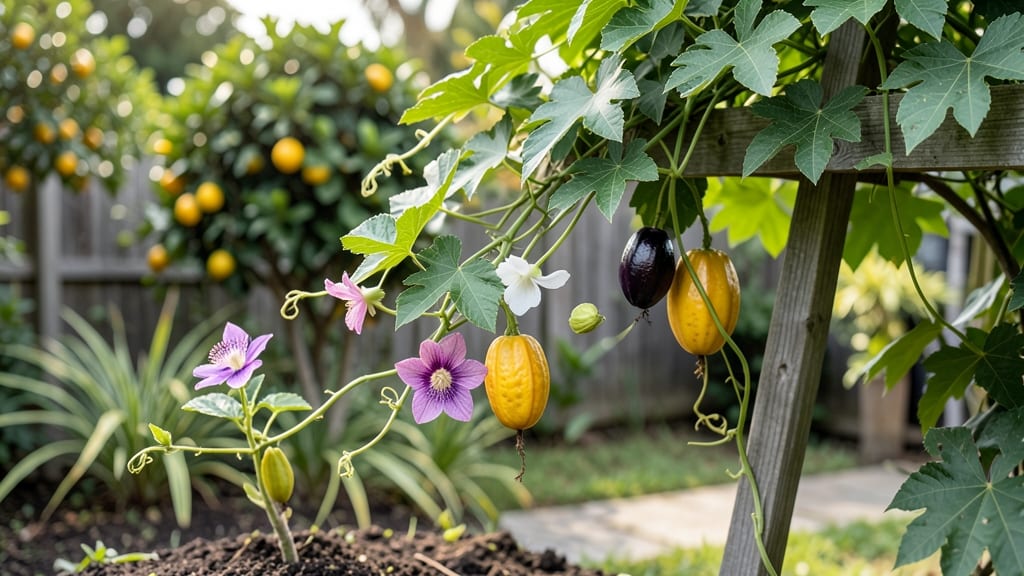
Tracking the stages of passion fruit 🍈 is the key to sweet, abundant harvests—and skipping even one phase can turn your vine into a bitter disappointment.
Did you know passion fruit vines can produce ripe fruit in just 12 weeks—but only if you recognize each critical growth stage? Missing even one phase means lower yields or fruit that never develops its signature tangy-sweet flavor.
From the first tender sprouts to the moment the fruit plumps with color, every stage demands attention. Whether you're dealing with vegetative growth that refuses to flower or blossoms that drop before setting fruit, knowing what to watch for makes all the difference.
In this guide, I’ll walk you through each phase—seed germination, vine development, flowering, fruit formation, and harvest—so you can spot progress (or problems) at a glance. Plus, I’ll share the exact tricks to boost yields and avoid common pitfalls.
Week-by-week breakdown of passion fruit growth stages
Tracking your passion fruit vine through its growth stages ensures you don’t miss critical milestones that affect fruit quality and yield. From the first seedling sprouts to the moment your fruit ripens, each phase demands specific care.
Understanding these stages helps you troubleshoot issues like stalled growth or blossom drop before they derail your harvest.
Passion fruit vines typically reach maturity in 8-12 months, but their journey is marked by distinct phases: seedling, vegetative growth, flowering, fruit set, and ripening. Each stage comes with unique visual cues—like leaf shape, flower color, or fruit size—that signal progress.
Below, we’ll break down what to expect week by week, so you can provide the right support at the right time.
| Stage | Timeframe | Visual Cues | Key Actions |
|---|---|---|---|
| Seedling | Weeks 1-4 | First two leaves appear; stems are thin and green. | Provide bright indirect light; keep soil moist. |
| Vegetative Growth | Weeks 5-12 | Leaves grow 3-5 inches wide; vines climb aggressively. | Train vines on trellis; fertilize with balanced NPK. |
| Flowering | Weeks 13-16 | Purple or white flowers (1-2 inches wide) open daily. | Hand-pollinate if no bees; reduce nitrogen fertilizer. |
| Fruit Set | Weeks 17-24 | Fruits grow from pea-sized to golf-ball size. | Thin fruits to 6-8 inches apart; monitor for pests. |
| Ripening | Weeks 25-36+ | Fruit skin turns yellow/orange/purple; slight give when pressed. | Harvest when fully colored; avoid overripe fruit. |
In the seedling stage (weeks 1-4), your passion fruit plant will sprout its first two true leaves, which are typically oval-shaped and glossy. This is when you’ll want to ensure the soil stays consistently moist but not waterlogged, as overwatering can cause root rot.
If your seedling’s leaves turn yellow or wilt, it may be a sign of underwatering or poor drainage. Adjust your watering schedule to keep the top inch of soil damp but not soggy.
By week 5, your vine enters the vegetative growth phase, where it will begin climbing rapidly if given a trellis or support structure. Look for deep green, lobed leaves that can grow up to 5 inches wide.
This is the time to introduce a balanced fertilizer (like 10-10-10) to encourage robust vine development. If growth stalls here, check for nutrient deficiencies or pests like spider mites, which thrive in dry conditions.
Flowering typically begins around week 13-16, marked by the appearance of vibrant purple or white flowers that bloom for just one day. These flowers are highly fragrant and attract pollinators, but in enclosed spaces, you may need to hand-pollinate using a small brush.
If you notice dropped buds, it could be due to temperature stress (below 60°F) or over-fertilization with nitrogen. Reduce nitrogen and ensure temperatures stay above 65°F for optimal flowering.
Once fruits set (weeks 17-24), they’ll grow from pea-sized to about 2-3 inches in diameter. This is when you should thin the fruits to prevent overcrowding, leaving only the healthiest ones spaced 6-8 inches apart.
Thin fruits early to avoid deformed or small harvests. During this stage, watch for fruit flies or aphids, which can damage developing fruit. Apply neem oil if you spot signs of infestation.
The ripening stage (weeks 25-36+) is when your patience pays off. Your passion fruit will change color—yellow for yellow varieties or
How to optimize each stage for maximum yield and sweetness
Passion fruit vines reward careful attention at every growth phase with sweeter fruit and higher yields. The key lies in understanding when to prune, fertilize, and support pollination to prevent issues like blossom drop or deformed fruit. Let’s break down how to optimize each stage for peak performance.
Start by ensuring your vine receives 6+ hours of direct sunlight daily—this is critical for flowering and fruit set. Use a south-facing trellis to maximize light exposure, especially in cooler climates where vines may grow slower.
Monitor leaf color: dark green leaves indicate healthy growth, while yellowing signals nutrient deficiencies or overwatering.
Focus: Root development, gentle pruning
Use well-draining soil mixed with compost. Prune side shoots to encourage a strong central leader. Avoid heavy fertilization—stick to a light 5-5-5 fertilizer every 4 weeks.
Focus: Vine expansion, trellis training
Train vines along the trellis to improve air circulation. Apply a balanced 10-10-10 fertilizer every 6 weeks. Prune overcrowded leaves to reduce humidity-related diseases like powdery mildew.
Focus: Pollination, temperature control
Hand-pollinate flowers with a soft brush if bees are scarce. Maintain 70-85°F temperatures—cooler nights can cause blossom drop. Use phosphorus-rich fertilizer to boost flowering.
Focus: Fruit thinning, pest control
Thin fruits to 6-8 inches apart to prevent overcrowding. Watch for fruit flies—use yellow sticky traps to monitor. Reduce nitrogen fertilizer to avoid excessive foliage growth at the expense of fruit sweetness.
Focus: Harvest timing, humidity
Harvest when fruit changes color and yields slightly to touch. Maintain 60-70% humidity to prevent cracking. Avoid overwatering—drought stress in the final weeks can concentrate sugars for sweeter fruit.
During the flowering stage, temperature swings are the biggest threat to fruit set. If nights dip below 60°F, use a row cover or plant near a heat-retaining wall.
For pollination, attract native bees by planting native flowers nearby, like sunflowers or marigolds. If hand-pollinating, do it in the morning when flowers are fully open.
Pruning isn’t just about shaping—it’s about airflow and sunlight penetration. In the vegetative stage, remove any shoots growing toward the vine’s center to reduce disease risk. For the fruit set stage, prune aggressively to leave only the healthiest fruits, ensuring they receive maximum nutrients.
This is also when you should mulch heavily to retain moisture and cool roots.
Sweetness peaks when passion fruit ripens under optimal conditions. To maximize flavor, avoid over-fertilizing with nitrogen in the final weeks—this can dilute sugars. Instead, focus on potassium-rich fertilizers to enhance fruit quality. Harvest in the morning when temperatures are cooler to preserve freshness and sweetness.
🌱