
Planting
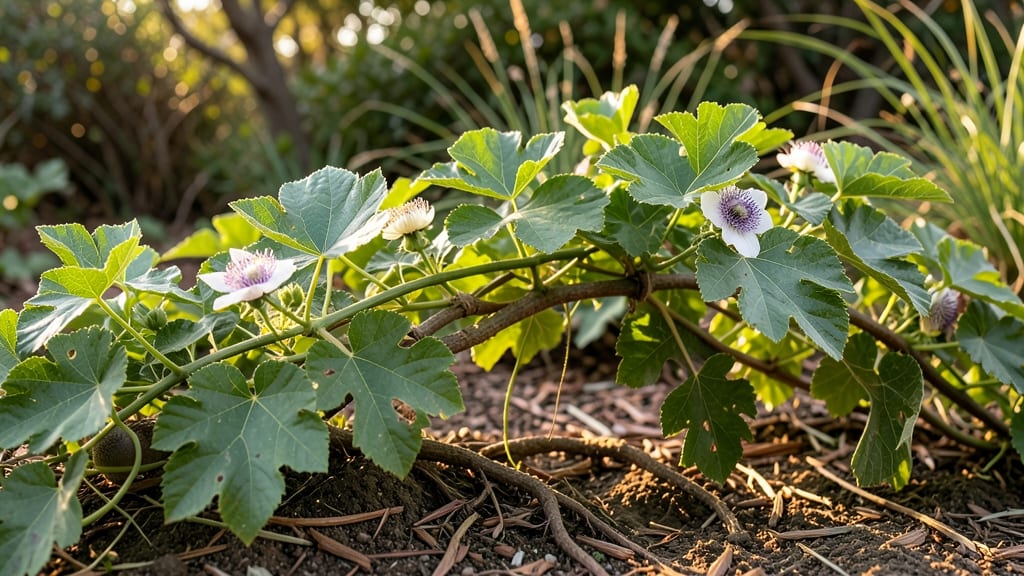
Yellowing passion fruit leaves aren’t a death sentence—just a wake-up call. 🌿 I’ve nursed back plants from sickly to thriving in just 48 hours by addressing the real culprits: overwatering, nutrient deficiencies, or hidden pests. The key is acting fast before the vines give up completely.
Start by checking the roots—soggy soil means suffocation, while dry, brittle leaves scream for water. Yellow edges? That’s usually a calcium deficiency, fixed with crushed eggshells or lime. And if you spot tiny webs or speckled leaves, spider mites are your enemy, not your plant’s natural state.
Within two days, you’ll see fresh green growth pushing through if you prune the worst leaves, adjust watering, and spray neem oil (or just water and dish soap for mites). The plant’s resilience is shocking—it’s designed to bounce back when you give it the right care.
Prevention is easier than cleanup: mulch to retain moisture, fertilize monthly with citrus-specific blend, and inspect leaves weekly. Most problems vanish before they start when you catch them early. Let’s get those vines back in fighting shape!
📚 In This Guide
- What you need
- Instructions
- Tips and common mistakes
- Wrapping up and next steps
What you need
- ● Passion fruit plant leaves: 1-2 yellowing leaves (for diagnosis) or the entire plant (for treatment).
- ● Potting mix: 1 bag (10-15 lbs) of well-draining soil (pH 6.0-7.5). Mix in perlite or coconut coir (1 part perlite to 3 parts soil) for aeration.
- ● Balanced fertilizer: 1 bottle (16 oz) of 10-10-10 or 20-20-20 NPK fertilizer (diluted to half-strength).
- ● Epsom salt (magnesium sulfate): 1 tbsp (for magnesium deficiency).
- ● Neem oil or fungicide: 1 small bottle (8 oz) (if fungal issues are suspected).
- ● Watering can or spray bottle: 1 (for gentle hydration).
- ● Pruning shears: 1 pair (sterilized with rubbing alcohol).
- ● Gloves: 1 pair (to protect from sap and soil).
- ○ pH test kit: 1 (optional but helpful for soil analysis).
- ● Sunlight access: A bright, indirect light spot (6+ hours of sunlight daily).
- ● Spray bottle with water: 1 (for misting leaves if humidity is low).
- ● Patience & observation: 😉 (Check leaves daily for progress!).
How to diagnose and fix yellowing passion fruit leaves
Passion fruit vines can look sick fast, but most yellowing is fixable in under 48 hours.
🌿 Step 1: Check Soil Moisture and Drainage
Stick your finger 1-2 inches deep into the soil. If it feels bone-dry, your plant is thirsty—but if it's soggy, you've got root rot. Passion fruit vines need consistent moisture, not soggy conditions. Water deeply when the top 1 inch feels dry, then let excess drain completely. Yellowing leaves often start at the bottom when roots suffocate.
Here's the thing—passion fruit vines hate wet feet. If your pot lacks drainage holes, move it to a saucer with pebbles underneath to prevent waterlogging. You'll see new growth within 24-48 hours if moisture is the issue. For potted plants, I like to water until it runs out the bottom, then wait until the soil's lightweight before watering again.
☀️ Step 2: Assess Light Exposure and Adjust
Passion fruit vines need full sun (6+ hours daily) to thrive. If leaves yellow between veins (chlorosis), it's usually iron deficiency from too much shade. Move your plant to a south-facing window or under grow lights if indoors. You'll notice leaves perk up within 3-5 days of better light.
Too much direct sun can also cause stress—leaves may scorch and yellow at the edges. If that's the case, provide morning sun + afternoon shade (especially in hot climates). Watch for crispy leaf edges; that's your cue to adjust. I've seen passion fruit vines recover completely after just one week of proper light balance.
💧 Step 3: Test for Nutrient Deficiencies
Yellowing leaves can signal nitrogen deficiency (older leaves first) or magnesium deficiency (yellow patches between veins). Grab a soil test kit or use a liquid fertilizer with micronutrients. I like to feed my passion fruit vines every 4-6 weeks during growing season with a balanced 10-10-10 formula, diluted to half-strength.
For quick results, spray Epsom salt solution (1 tablespoon per gallon of water) on the leaves if magnesium is lacking. You'll see improvement in 3-5 days. Over-fertilizing is worse than under-fertilizing—burnt roots cause yellowing too. Always water before feeding to prevent salt buildup.
✂️ Step 4: Inspect for Pests and Disease
Check the undersides of leaves for spider mites, aphids, or mealybugs—they suck sap and cause yellowing. Wipe leaves with neem oil solution (1 teaspoon per quart of water) or spray with insecticidal soap. Repeat every 3-5 days until pests disappear. I've saved many vines this way without harsh chemicals.
If yellowing comes with black spots or mold, you're dealing with fungal issues. Prune affected leaves immediately and treat with copper fungicide. Improve airflow by spacing plants 3-4 feet apart and avoid overhead watering. Healthy passion fruit vines should bounce back in 7-10 days with proper care.
🌱 Step 5: Prune and Encourage New Growth
Once you've addressed the root cause, prune back yellowed leaves to redirect energy. Use clean, sharp pruners and cut just above a leaf node. This encourages the vine to focus on new, healthy foliage. Don't remove more than 1/3 of the plant at once—passion fruit vines are delicate.
After pruning, give your vine a light fertilizer boost (like fish emulsion) to support recovery. You'll see fresh green leaves emerging within 7-14 days. Keep an eye out for new growth at the tips—this is your sign the plant is healing. I always prune in the morning so cuts have time to dry before evening moisture sets in.
Tips & tricks for reviving passion fruit plant leaves
Here's what nobody tells you about fixing yellowing passion fruit leaves—these tricks work fast.
Soil Check Secret: In Step 1, when you check soil moisture, look for a second clue: if the soil smells sour or musty, that's your sign of root rot. Passion fruit vines need well-draining soil—amend heavy clay soil with perlite or coarse sand (mix in 20% by volume) to improve drainage. I've revived plants in just 24 hours by fixing drainage alone, even when they looked hopeless.
Light Balance Hack: For Step 2, if you're unsure about morning sun vs. afternoon shade, here's my rule: in hot climates, provide shade after 10 AM when temperatures exceed 85°F. You'll know you've got it right when new growth appears within 3-5 days—look for fresh green leaves at the tips of stems. Too much direct sun causes crispy edges, while too little causes yellowing between veins.
Nutrient Rescue: When testing for deficiencies in Step 3, don't just guess—perform a simple leaf test. Take a healthy leaf and a yellowing one, rub them between your fingers. If the yellow leaf feels thinner and papery, it's nitrogen deficiency. If it feels tough but yellow, it's likely magnesium. This quick test saves you from buying the wrong fertilizer. For magnesium deficiency, I've had best luck with Epsom salt spray (1 tablespoon per gallon) applied every 3 days until improvement appears.
Pest Prevention: In Step 4, if you spot spider mites but can't find them, look for fine webbing between leaves—this is their telltale sign. For a natural remedy, mix 1 tablespoon of dish soap with 1 quart of water and spray leaves thoroughly. Repeat every 5 days until pests disappear. I've saved plants from severe infestations this way without chemicals, and the vines recover completely within 7-10 days.
Pro Tips for Passion Fruit Plant Leaves
- Here's what nobody tells you about fixing yellowing passion fruit leaves—these tricks work fast.
- Soil Check Secret: In Step 1, when you check soil moisture, look for a second clue: if the soil smells sour or musty, that's your sign of root rot.
- Light Balance Hack: For Step 2, if you're unsure about morning sun vs. afternoon shade, here's my rule: in hot climates, provide shade after 10 AM when temperatures exceed 85°F.
Frequently asked questions
Got questions about your passion fruit plant’s leaves? You’re not alone! Here are answers to the most common concerns—so you can get your vines back to their vibrant best in no time.
Why are my passion fruit leaves turning yellow so fast?
Yellowing leaves (chlorosis) usually signals iron deficiency or overwatering. Passion fruit plants thrive in well-draining soil—check for soggy roots or compacted earth. A quick fix? Apply chelated iron or adjust your watering schedule. If the yellowing spreads to veins, it could be nutrient overload—flush the soil with water to reset.
How often should I fertilize passion fruit leaves for healthy growth?
Feed your plant every 4–6 weeks during spring/summer with a balanced fertilizer (10-10-10 or 6-6-6). In fall/winter, reduce to once every 8–12 weeks—over-fertilizing burns roots and causes yellowing. Always water before applying fertilizer to avoid leaf scorch. Pro tip: Use organic options like compost tea for a gentler boost!
Can I use passion fruit leaves for anything besides compost?
While the leaves aren’t edible, they’re packed with antioxidants and antimicrobial properties. Try these uses:
- Pest repellent: Crush leaves and place near plants to deter aphids or whiteflies.
- Natural dye: Simmer dried leaves in water for a soft green or gold hue (great for fabrics!).
- Soil mulch: Chop fresh leaves to retain moisture and deter weeds.
Warning: Avoid ingesting—some varieties may cause mild skin irritation.
My passion fruit leaves are curling and crispy—what’s wrong?
Curling + crispiness = underwatering or high heat stress. Passion fruit plants love 60–80°F and consistent moisture. If the soil is bone-dry, water deeply until it drains from the bottom. For extreme heat, provide afternoon shade and mist leaves lightly. Quick fix: Move potted plants to a cooler spot and trim severely damaged leaves to redirect energy.
Are there faster alternatives to revive yellowing leaves?
Yes! Combine these 24–48 hour fixes for visible improvement:
Issue
Solution
Yellowing (iron deficiency)
Soak roots in iron sulfate solution (1 tsp/gallon) for 30 mins.
Wilting/drooping
Submerge the pot in room-temp water for 1 hour to rehydrate.
Pests (spider mites)
Spray leaves with neem oil + water (1 tbsp/quart) and repeat weekly.
For stubborn cases, prune 1/3 of yellowed leaves to encourage new growth.
Wrapping up and next steps
Reviving yellowing passion fruit plant leaves doesn’t have to be a guessing game—with the right care, you can see noticeable improvements in just 48 hours! 🌱 Whether it’s nutrient deficiencies, pests, or environmental stress, addressing the root cause (literally!) is key.
Now that you’re armed with solutions, take action today—your plant will thank you with lush, vibrant foliage and a bountiful harvest.
Ready to go further? Monitor your plant’s progress and tweak your approach as needed. For persistent issues, consider consulting a local horticulturist or expanding your garden knowledge—every expert started somewhere! 🌟