
Trees
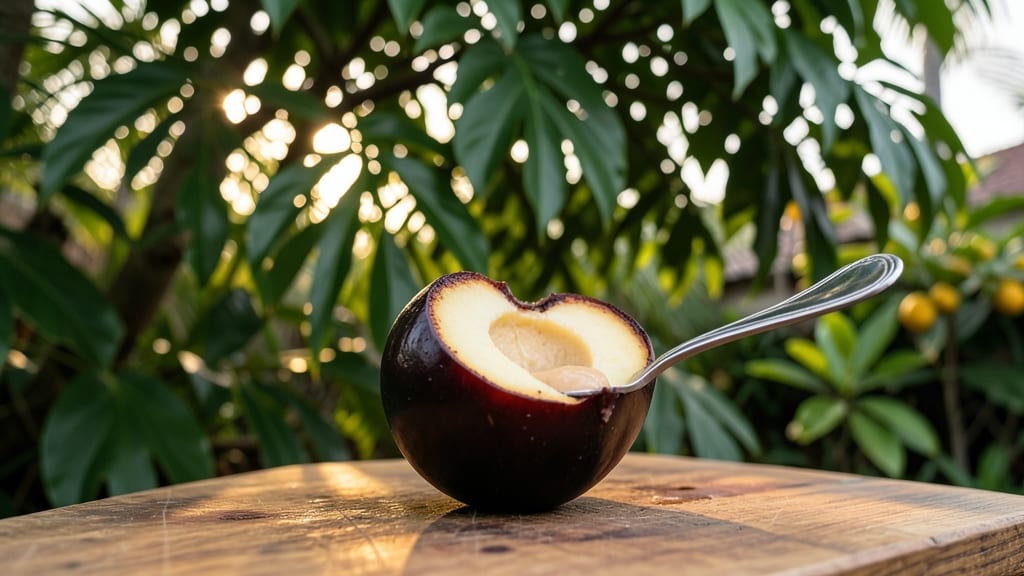
South Florida’s tropical climate lets you grow fruit trees that produce year-round—even during droughts. These 10 drought-resistant champions deliver sweet rewards with minimal watering while thriving in the heat and humidity.
Sapodilla Tree for Rich Caramel-Like Fruit
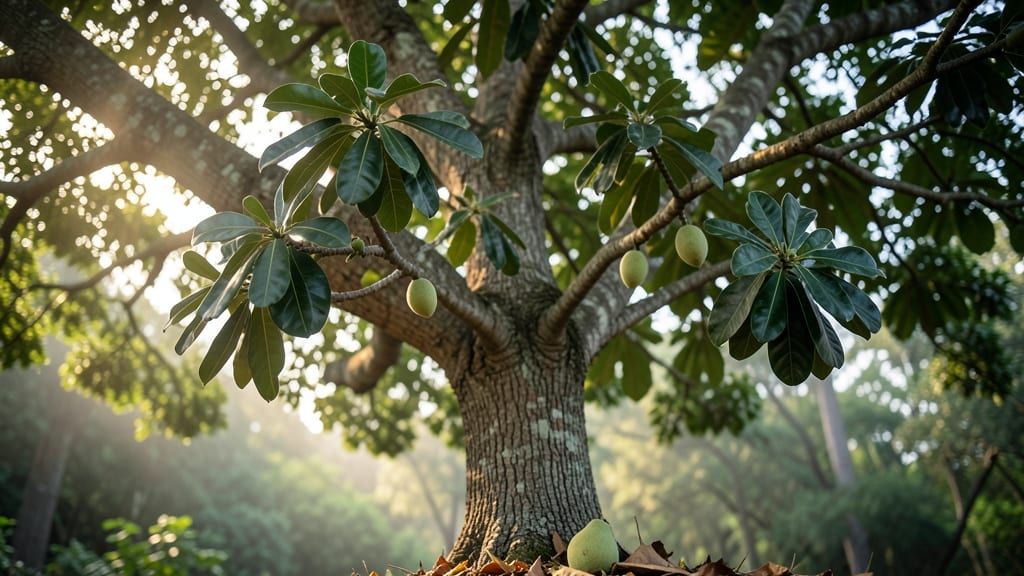
If your yard has shaded spots where citrus or mangoes struggle, the sapodilla tree (Manilkara zapota) is your underrated hero. Unlike sun-loving fruit trees, this tropical beauty thrives in partial shade, making it perfect for South Florida’s filtered-light conditions—whether under a canopy or near buildings.
Its caramel-like fruit ripens in late summer, offering a grainy, custardy texture that’s sweeter than many tropical fruits. To grow one, plant in well-draining soil and water deeply once a week during the first year, then taper to monthly deep waterings once established. Prune lightly to maintain shape, and watch for brown, wrinkled fruit—that’s your cue they’re ready to pick! The tree also boasts disease resistance and minimal pest issues, making it a hassle-free addition.
This tree is ideal for urban gardeners with limited sun or those who want a low-maintenance fruit option that doesn’t demand constant care. Plus, its fragrant flowers add a bonus sensory treat before the fruit appears. 🌟
Starfruit Tree for Tart Citrus Flavor
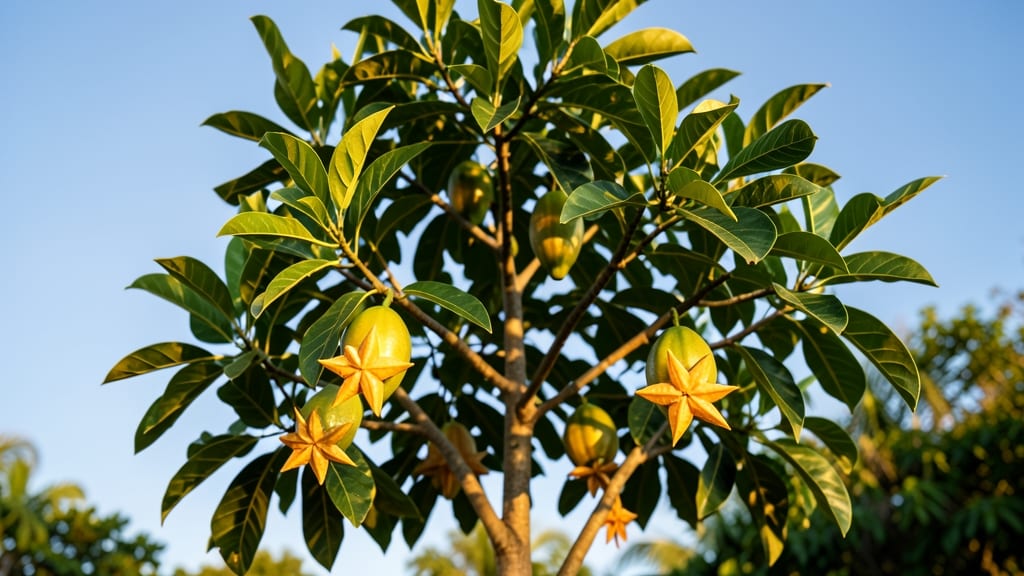
If you crave a tart, citrusy twist on your summer fruit basket, the starfruit tree delivers with its striking, five-pointed fruits that pack a zesty punch. Unlike traditional citrus, this fast-growing tree thrives in South Florida’s heat and drought, making it a low-maintenance superstar for both urban and rural gardens.
Starfruit trees reach maturity in just 2-3 years, producing abundant harvests from late spring through summer. The fruits—bright green when ripe—are perfect for slicing into salads, blending into juices, or enjoying fresh with a sprinkle of salt. For best results, plant in full sun to partial shade and water deeply but infrequently once established, as they’re remarkably drought-tolerant once rooted.
This tree is ideal for gardeners who want quick rewards without the fuss of high-maintenance citrus. Its compact size (10-15 feet tall) also makes it perfect for small yards or container growing—just ensure it gets enough sunlight to keep producing those tangy, star-shaped gems. 🌟
Loquat Tree for Early Spring Harvests
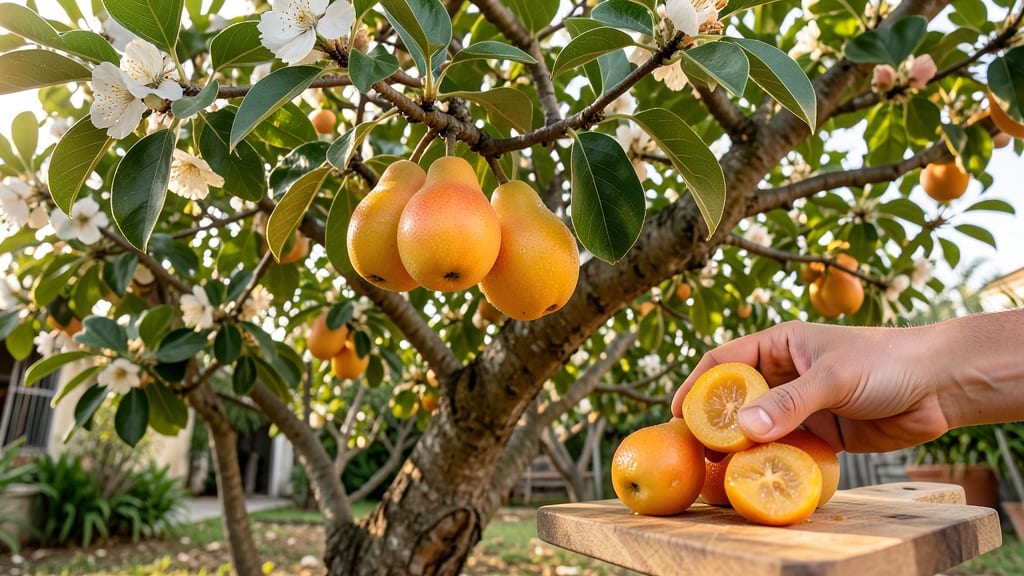
Beat the summer heat by harvesting fragrant, pear-like loquat fruits as early as January—before citrus even hits its peak. This underrated tree thrives in South Florida’s mild winters, offering a sweet-tart flavor perfect for jams, fresh snacks, or even floral-infused desserts.
Loquats love well-draining soil and full sun to partial shade, making them ideal for urban yards or mixed orchards. Prune lightly after harvest to encourage next year’s fruit, and watch for scale insects—a common pest in Florida. With minimal care, you’ll enjoy a year-round** harvest cycle that starts earlier than most tropical fruits.
Perfect for gardeners who want early rewards and love unique flavors, loquats also double as a stunning ornamental with glossy foliage. 🌱
Jaboticaba Tree for Purple Grape-Like Berries
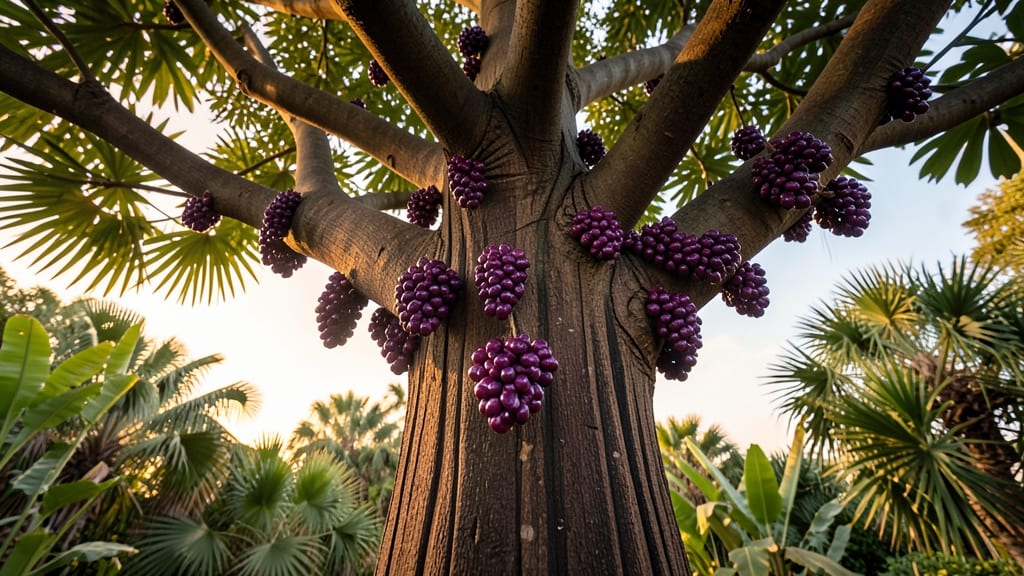
Imagine a fruit tree so unique that its berries grow directly from the trunk—no branches needed! The jaboticaba tree, a Brazilian native, thrives in South Florida’s heat and humidity, producing clusters of edible purple grapes that ripen in fall. Unlike traditional fruit trees, these berries appear right on the bark, making them a conversation starter (and a delicious snack!).
This drought-tolerant tree prefers full sun to partial shade and well-draining soil, making it ideal for Florida’s climate. Once established, it requires minimal watering, though young trees benefit from regular moisture. The berries, sweet and grape-like, are best enjoyed fresh—simply pluck them straight from the trunk! They’re also rich in antioxidants, adding a nutritional boost to your harvest.
Perfect for gardeners who love exotic flavors and unique landscapes, jaboticaba trees add drama to any yard while rewarding you with a year-round (or near-year-round) harvest. 💚
Pomelo Tree for Giant Citrus Variety
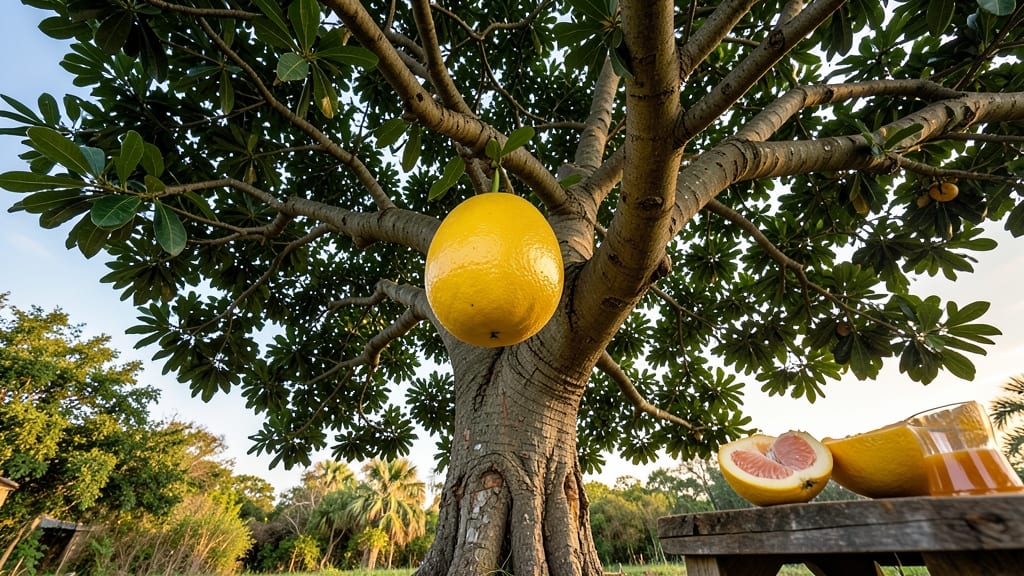
If you’ve ever dreamed of harvesting a fruit so large it could double as a serving bowl, the pomelo tree is your answer. This citrus giant produces fruits weighing up to 10 pounds, offering a sweet-tart flavor perfect for juicing, carving, or even festive centerpieces—all while requiring less water than most citrus varieties.
Thriving in full sun with minimal care, pomelos are ideal for South Florida’s climate. Plant in well-draining soil and water deeply once a week during the first year, then reduce to every 2-3 weeks once established. Unlike other citrus, pomelos are drought-resistant, making them perfect for water-conscious gardeners. Harvest in late fall to winter when the rind turns a deep yellow.
This low-maintenance tree is ideal for homeowners who want bold flavors and visual impact without the fuss. Its glossy leaves and towering fruit make it a standout in any landscape. 🌻
Guava Tree for Year-Round Tropical Fruit
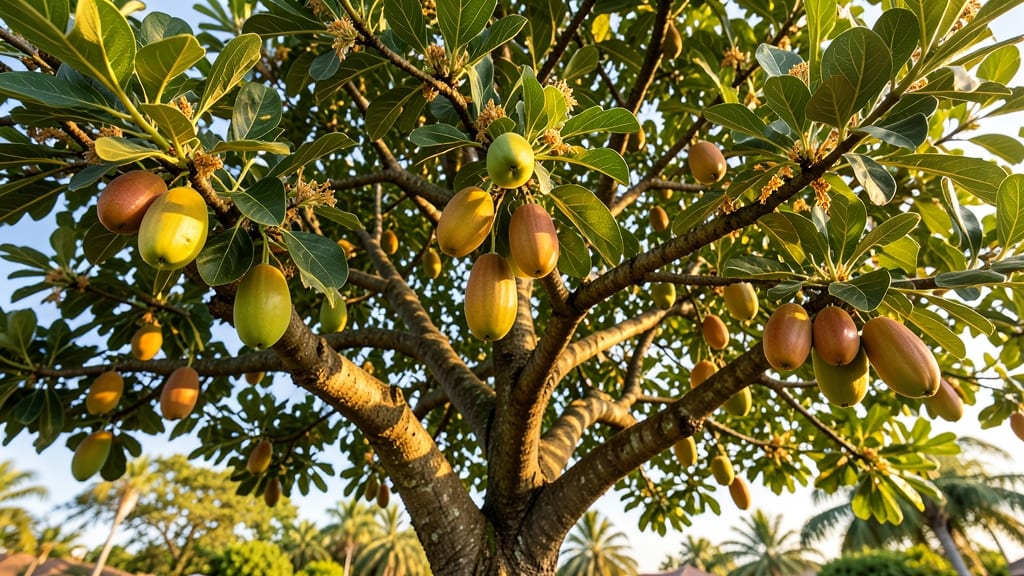
The guava tree is South Florida’s secret weapon for year-round fruit production, offering fragrant, creamy-fleshed guavas that ripen continuously in the heat. Unlike seasonal citrus, this fast-growing tree delivers fresh fruit for smoothies or snacks without the wait—ideal for beating summer heatwaves with homegrown treats.
Plant in full sun with well-draining soil, and expect harvests within 2-3 years from seed or faster with grafted varieties like ‘Pink Guava’ or ‘Apple Guava’. Prune lightly to shape and improve airflow, but avoid over-trimming—this tree thrives on neglect once established. The fragrant white flowers also attract pollinators, boosting your garden’s biodiversity.
Perfect for urban yards or rural homesteads, guava trees require minimal watering once mature and tolerate humidity and occasional drought. Their dense foliage even provides shade for other plants below. 🌿
Mango Tree for Classic Florida Flavor
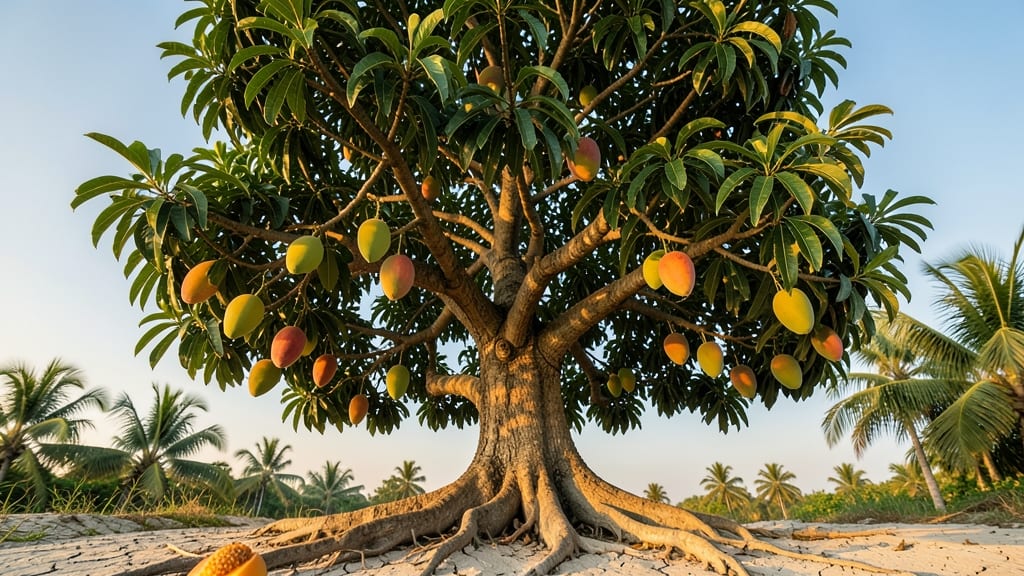
There’s nothing quite like the taste of a sun-ripened mango plucked straight from your own tree—especially when it’s grown in Florida’s perfect climate. Unlike other tropical fruits, mangoes thrive in the summer heat and can even handle brief droughts once established, making them a low-maintenance superstar for Florida gardeners.
For the best results, opt for drought-resistant varieties like ‘Julie’ (a cold-hardy option) or ‘Ice Cream’ (sweet and creamy). Plant your tree in well-draining soil with full sun exposure (at least 6-8 hours daily), and water deeply 2-3 times per week during the first year. Once mature, mango trees need minimal watering—just enough to keep the soil slightly moist. With proper care, you’ll enjoy a bountiful harvest in late spring to summer.
This tree isn’t just for fruit lovers—it’s also a stunning focal point in any landscape, with glossy leaves and vibrant blooms. Perfect for homeowners who want both beauty and edible rewards with minimal effort, the mango tree is a true Florida classic. 🌻
Pineapple Guava Tree for Honey-Scented Fruit
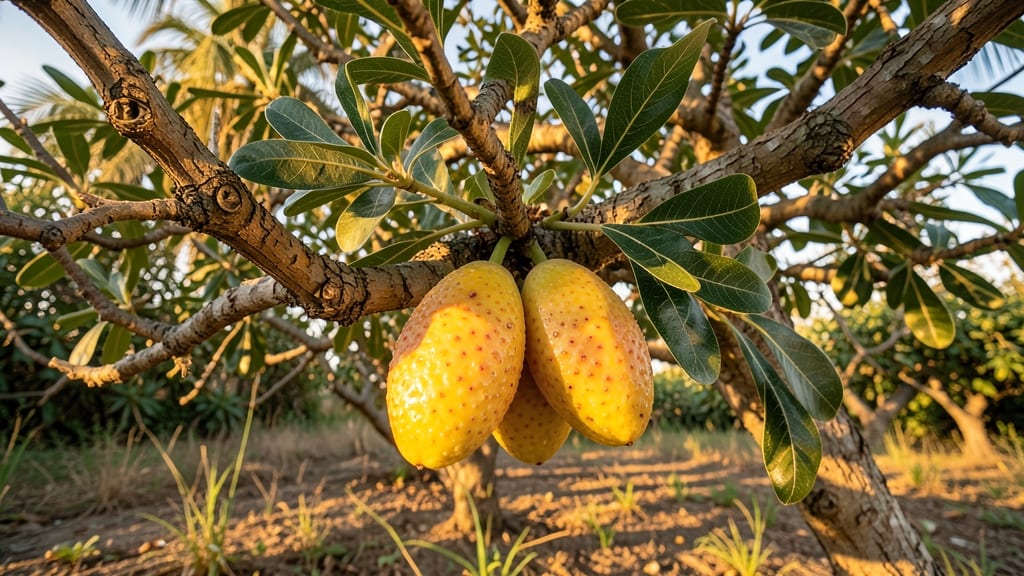
If you crave a fruit that tastes like a tropical vacation in every bite, the pineapple guava tree delivers with its honey-scented, pineapple-guava hybrid flavor. Unlike its thirsty cousins, this tree thrives on neglect—once established, it requires minimal watering and handles South Florida’s dry spells with ease.
This compact tree (reaching 15-20 feet) produces small, golden fruits packed with vitamin C and antioxidants. The secret to success? Plant in well-draining soil with morning sun to avoid heat stress. Prune lightly after harvests to encourage new growth, and watch for white, fragrant flowers that precede the sweet fruit—ready to pick year-round with proper care.
Perfect for small yards or urban gardens, this tree offers low-maintenance beauty and edible rewards without the fuss of high-water citrus. 🌟
Soursop Tree for Creamy Tropical Pulp
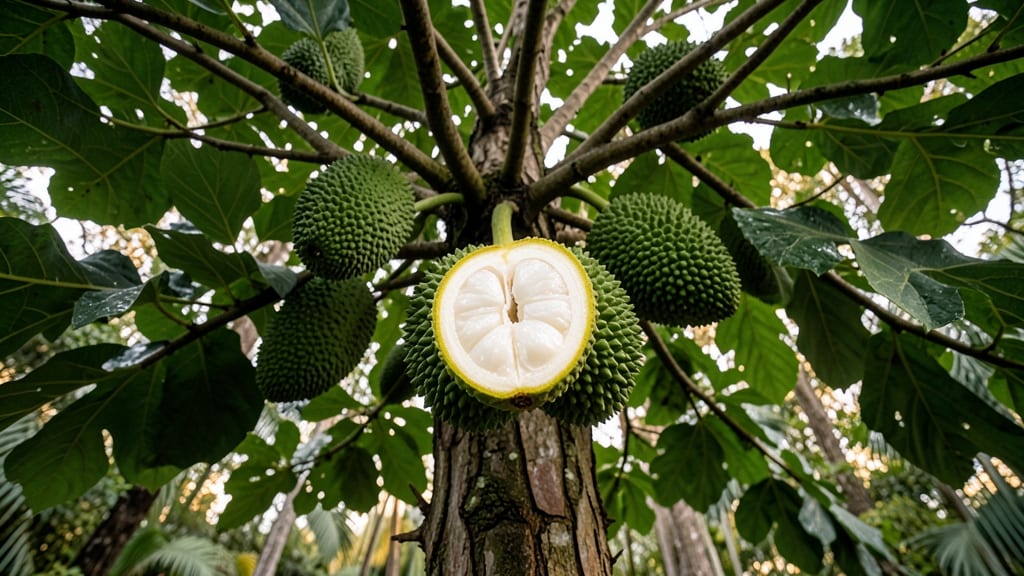
Craving a fruit that tastes like creamy custard straight from the tree? The soursop tree (Annona muricata) delivers that dreamy texture with minimal effort—once established, it thrives on South Florida’s humidity and needs little water. Its spiky green fruits hide a snow-white, tangy-sweet pulp perfect for smoothies or desserts.
Plant in partial shade to protect young trees from intense sun, and expect fruit in 3-5 years. The tree’s deep roots make it drought-tolerant, but mulch helps retain moisture during dry spells. Harvest when the fruit yields slightly to pressure—ripe soursops release their signature tropical aroma. 🌿
This low-maintenance tree is ideal for gardeners who want exotic flavors without high upkeep. Its lush foliage also adds tropical drama to your landscape, making it a standout for both fruit lovers and design enthusiasts. 💚
Zapote Negro Tree for Chocolate-Pudding Fruit

Imagine a fruit so rich and velvety it feels like biting into chocolate pudding—that’s the magic of the Zapote Negro tree, a tropical treasure thriving in South Florida’s climate. Unlike other fruit trees, this rare gem produces a fruit with a creamy, custard-like texture that’s perfect for gourmet desserts, smoothies, or simply enjoying fresh off the tree.
Once established, the Zapote Negro becomes incredibly drought-resistant, making it ideal for Florida’s hot, dry spells. It prefers full sun to partial shade and well-draining soil, but its deep roots allow it to withstand periods of neglect once mature. The fruit ripens in late summer to fall, offering a unique harvest window that’s different from other tropical trees.
This tree is a standout for home chefs and dessert lovers who want to grow something truly unique in their backyard. Its exotic appeal and low-maintenance nature make it a fantastic addition to any edible landscape—especially for those who love experimenting with tropical flavors. 🌟