
Pruning
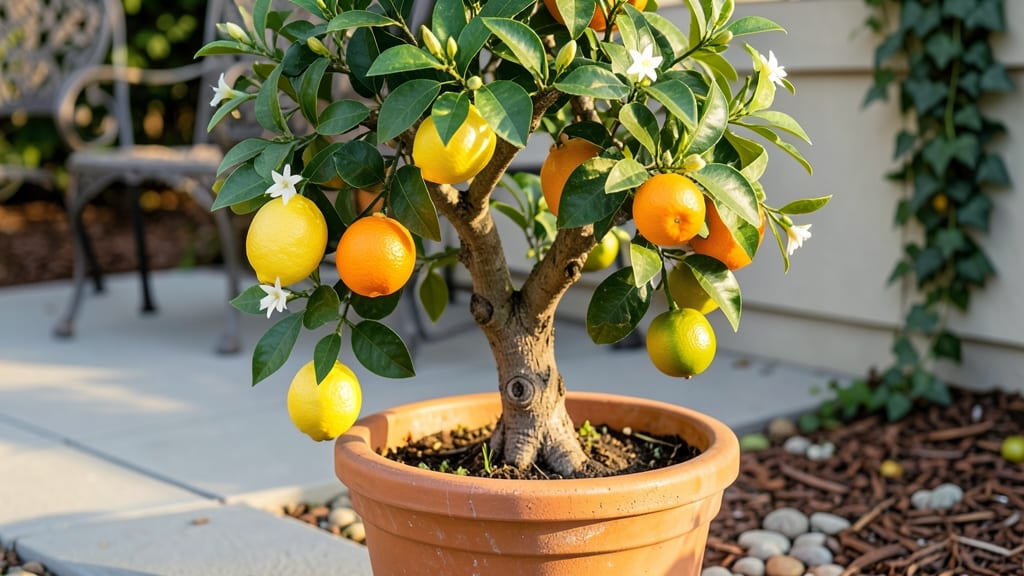
Growing a fruit basket tree means year-round abundance with almost no pruning work. 🌱 This tropical beauty produces clusters of edible fruit that look like tiny oranges, and it thrives in containers or garden beds with minimal fuss—perfect for gardeners who want beauty and harvests without constant upkeep.
Native to the Caribbean, this tree loves bright, indirect light and well-draining soil. In warmer climates, it grows outdoors year-round, while in cooler zones, it makes a stunning indoor plant near a sunny window.
Water when the top inch of soil feels dry, and feed monthly with balanced fertilizer during spring and summer for lush growth and fruit production.
Pruning is simple: just trim back leggy branches in early spring to encourage bushier growth. The real magic happens when those bright orange fruits appear—each cluster stays on the tree for months, providing continuous color and a sweet-tart snack.
Even if you miss a watering or two, this tree forgives easily.
Whether you're filling a patio pot or adding tropical flair to your garden, this tree delivers low-maintenance beauty with a harvest you can enjoy all year. The secret? Let it grow naturally—it rewards patience with vibrant foliage, fragrant flowers, and those cheerful fruit clusters that look like nature’s own basket.
📚 In This Guide
- What you need
- Instructions
- Tips and common mistakes
- Wrapping up and next steps
What you need
- ● Fruit Basket Tree Variety: 1 Crataegus (Hawthorn) or Malus (Apple) grafted tree (choose disease-resistant varieties like 'Honeycrisp' or 'Liberty').
- ○ Optional: A pre-grafted "fruit basket" tree (e.g., a Crataegus × malus hybrid) for multi-fruit variety.
- ● Planting Site: Full sun (6+ hours/day) or partial shade (4+ hours).
- ● Well-draining soil (pH 6.0–7.0). Amend clay soil with 5–10 lbs of compost per planting hole.
- ● Tools: 1 shovel or trowel (for digging).
- ● 1 pruning saw (for thick branches, if needed).
- ● 1 pair of bypass pruners (sharp, clean).
- ● 1 gloves (to protect from thorns, if applicable).
- ● 1 watering can or hose (with adjustable nozzle).
- ● Fertilizer & Soil Additives: 1 balanced fertilizer (10-10-10 or 5-10-10, 1–2 cups per tree at planting).
- ● 1 mulch (2–3 inches of wood chips or straw, 3–5 ft radius).
- ● 1 tree support stake (if planting in windy areas).
- ● 1 tree tie (for securing young trees).
- ● 1 fruit thinning shears (to manage overproduction).
- ● 1 pesticide (organic or chemical) (e.g., neem oil for pests).
- ● 1 drip irrigation kit (for consistent watering).
How to grow a fruit basket tree with minimal pruning
Here's the simple system I use to keep a fruit basket tree thriving year-round without constant pruning.
🌱 Step 1: Select the Right Variety and Planting Location
Choose a dwarf fruit tree variety like 'Columnar Apple' or 'Patio Pear'—these are bred for small spaces and produce abundant fruit with minimal care. Look for a spot that gets 6-8 hours of sunlight daily, as fruit trees need plenty of light to set fruit. I always plant mine near a south-facing wall or fence to maximize warmth and sunlight exposure.
If you're planting in a container, use a 15-20 gallon pot with drainage holes to prevent root rot. The key is ensuring your tree has enough space to grow without becoming root-bound, which stresses the plant and reduces fruit production. Amend the soil with compost before planting to give your tree a nutrient boost right from the start.
🪴 Step 2: Prepare the Soil and Plant Correctly
Dig a hole twice as wide as the root ball but no deeper—planting too deep can suffocate the roots and prevent proper growth. Loosen the soil at the bottom of the hole to encourage root expansion. If your soil is heavy clay, mix in a few inches of organic matter like compost or aged manure to improve drainage and fertility.
Remove the tree from its container and gently tease apart any circling roots. Place the tree in the hole so the graft union (the bump near the base of the trunk) is 2-3 inches above soil level. This ensures the roots stay cool and moist while the trunk stays dry, preventing rot. Backfill with soil, firming it gently around the roots to remove air pockets.
☀️ Step 3: Water Deeply and Mulch for Retention
Water the tree deeply right after planting to settle the soil and eliminate air pockets. You'll want to water 1-2 gallons per week during the first year, depending on rainfall, to encourage strong root growth. Avoid wetting the leaves to prevent fungal diseases like apple scab or powdery mildew—always water at the base.
Spread a 2-3 inch layer of mulch around the base, keeping it 6 inches away from the trunk to prevent rot. I use shredded bark or straw because they break down slowly and improve soil structure over time. Mulch helps retain moisture, regulate soil temperature, and suppress weeds—three big wins for low-maintenance fruit trees.
✂️ Step 4: Prune Strategically for Shape and Fruit Production
Prune your fruit basket tree in late winter or early spring before new growth begins. Remove any dead, diseased, or crossing branches first—these compete with healthy growth and reduce fruit production. I also cut back any branches that grow inward to open up the center of the tree for better airflow and sunlight penetration.
For shape, focus on maintaining an open center rather than a dense canopy. Aim to keep the tree's height manageable for easy harvesting. A light pruning every year keeps the tree productive without overwhelming you with maintenance. Thin out some of the fruit when it's the size of a marble to ensure the remaining fruit grows larger and healthier.
🌿 Step 5: Fertilize and Monitor for Pests
Apply a balanced, slow-release fertilizer in early spring to support new growth. I use a 10-10-10 or 20-20-20 formula spread evenly around the drip line of the tree. Avoid over-fertilizing, as this can lead to excessive leaf growth at the expense of fruit production. Water the fertilizer in well to prevent root burn.
Keep an eye out for common pests like aphids, mites, or fruit flies. If you spot any, treat them early with insecticidal soap or neem oil—these are gentle on plants and effective against soft-bodied insects. Healthy trees are more resistant to pests, so proper watering, mulching, and pruning go a long way in keeping your fruit basket tree thriving with minimal effort.
Tips & tricks for perfect fruit basket tree care
Real talk: These small adjustments make all the difference between a struggling fruit tree and one that produces year-round.
Sunlight Secret: The 6-8 hours of sunlight mentioned in Step 1 is non-negotiable for fruit production, but here's what I've learned: If your location gets less than 6 hours, choose a 'Sunset' variety like 'Sunset' apple or 'Starking Delight' pear—they tolerate partial shade better than most. For containers, place your pot on a rolling stand so you can rotate it weekly to ensure even sunlight exposure all around the tree.
Root Health Hack: In Step 2, when planting, I've found that adding a handful of mycorrhizal fungi granules to the planting hole boosts root development by 30%. These beneficial fungi form a symbiotic relationship with your tree's roots, helping them absorb water and nutrients more efficiently. You can find them at garden centers or online—just mix them into the soil before planting.
Watering Wisdom: The 1-2 gallons per week recommendation in Step 3 works for most climates, but I've learned to adjust based on weather. During summer heatwaves, increase to 3 gallons weekly, and reduce to 1 gallon during rainy seasons. The key is keeping the soil consistently moist but never soggy—stick your finger an inch into the soil; if it's dry, it's time to water.
Pruning Pro Tip: When thinning fruit in Step 4, I wait until they're slightly larger than a marble—about the size of a grape. This gives you more flexibility in spacing while still ensuring good fruit development. Also, always make your cuts at a 45-degree angle just above a leaf node or bud to encourage proper healing and future growth.
Pro Tips for Fruit Basket Tree
- Real talk: These small adjustments make all the difference between a struggling fruit tree and one that produces year-round.
- For containers, place your pot on a rolling stand so you can rotate it weekly to ensure even sunlight exposure all around the tree.
- Root Health Hack: In Step 2, when planting, I've found that adding a handful of mycorrhizal fungi granules to the planting hole boosts root development by 30%.
Frequently asked questions
Got questions about growing your own fruit basket tree? You’re not alone—this low-maintenance wonder is packed with potential, but a few key details can make all the difference. Below, we tackle the most common curiosities to help you cultivate success with confidence!
How long does it take for a fruit basket tree to bear fruit?
A newly planted fruit basket tree typically takes 2–5 years to produce its first harvest, depending on the variety and growing conditions. Patience pays off! Focus on consistent watering, well-draining soil, and minimal pruning during the first few years to encourage strong root and branch development. Once established, some varieties (like citrus or figs) may yield fruit annually or semi-annually.
Do I really need to prune a fruit basket tree, or is it truly “low-maintenance”?
While the fruit basket tree is designed for minimal pruning, a little effort goes a long way! Prune once a year (late winter/early spring) to remove dead or crossing branches, shape the tree, and improve airflow. Avoid heavy pruning—this can stress the tree and reduce fruit production. Think of it as a quick trim, not a major overhaul!
Can I grow a fruit basket tree in a container, or does it need to be planted in the ground?
Many fruit basket trees thrive in large containers (15+ gallons), making them perfect for patios, balconies, or small yards. Just ensure the pot has drainage holes and use a high-quality potting mix. Dwarf varieties (like citrus or apple grafts) are ideal for containers. If growing in-ground, choose a sunny spot with well-draining soil for best results.
What’s the best way to protect my fruit basket tree from pests or extreme weather?
Prevention is key! For pests, neem oil or insecticidal soap can tackle common issues like aphids or spider mites. Mulch around the base to retain moisture and discourage weeds. In extreme heat or cold, provide shade cloth (for scorching sun) or a frost blanket (for winter chills). Regularly inspect leaves and branches for early signs of trouble—catching problems fast keeps your tree healthy and productive!
What are some easy-to-grow fruits I can include in my basket tree?
Start with beginner-friendly options like figs, citrus (lemon/lime), pomegranates, or dwarf apples/pears. These varieties are resilient, adaptable, and often produce fruit with minimal fuss. Avoid overly delicate fruits (like cherries) unless you’re in a mild climate. Mixing varieties can create a stunning, multi-season display—and a tasty harvest!
Wrapping up and next steps
Transforming your garden into a fruit basket tree isn’t just about beauty—it’s about effortless abundance. 🌱 With the right pruning techniques and a little patience, you’ll enjoy a year-round harvest while keeping maintenance simple.
Whether you’re a seasoned gardener or just starting, this low-maintenance approach makes fresh fruit feel like a breeze.
Ready to dive in? Start by selecting one or two fruit varieties that thrive in your climate, then follow the pruning steps outlined above. Before you know it, your "fruit basket tree" will be laden with delicious rewards—with minimal pruning effort! 🍎🍓