
Trees
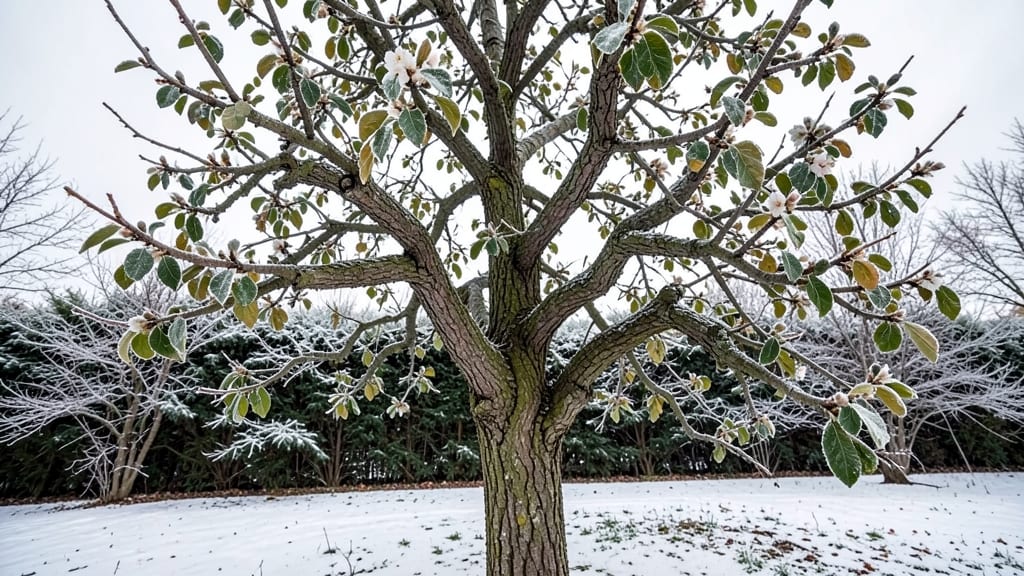
Small gardens can still yield abundant pear harvests with these self-pollinating varieties. These fast-bearing, space-efficient trees produce delicious fruit without needing cross-pollination, making them perfect for urban homesteaders and patio growers.
Moonglow Pear Tree for Compact Growth
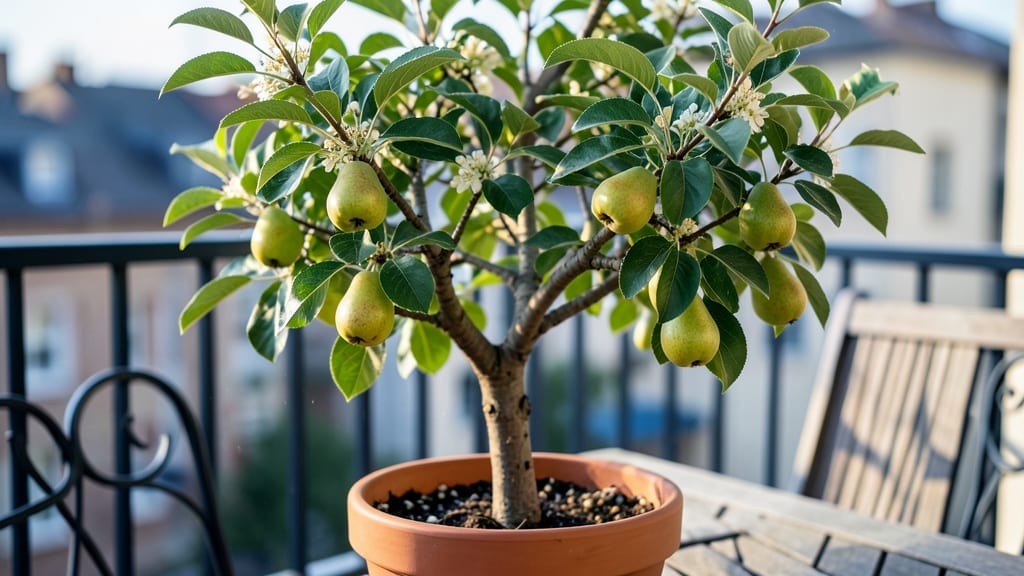
Tired of dreaming about pears but lacking yard space? The Moonglow pear tree delivers all the rewards of a full-sized orchard in just 8-10 feet—making it the perfect fit for balconies, patios, or small gardens.
This self-fruitful dwarf variety thrives in containers or tight spaces while producing sweet, red-skinned pears with a buttery texture ideal for fresh snacking or baking. Plant it in full sun (6+ hours daily) and well-draining soil, and you’ll enjoy fruit in 3-4 years—no pollinator needed! Prune lightly in late winter to maintain its compact shape.
Urban gardeners and small-space homesteaders will love how this tree combines high productivity with minimal footprint, turning even the tiniest outdoor area into a fruit-bearing oasis. 🌱
Seckel Pear Tree for Miniature Fruit
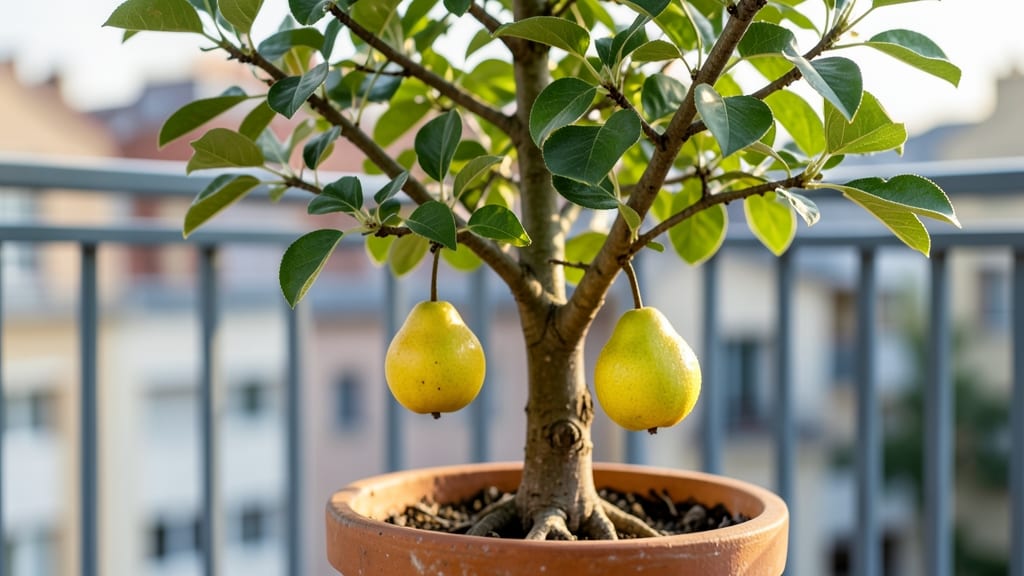
Tired of giant pears that take up too much space? The Seckel pear tree delivers bite-sized, intensely sweet fruit—perfect for snacking straight from the branch—while staying small enough for containers or balcony gardens.
This self-fruitful variety thrives in USDA zones 4-9 and reaches just 12-15 feet tall, making it ideal for urban environments. The golden pears ripen in late summer, and the tree’s compact habit means you can grow it in a 15-gallon container with proper pruning. Just ensure it gets 6-8 hours of sun daily and well-draining soil.
Perfect for gardeners with limited space or those who love convenient, portable fruit trees—no orchard required! 🌱
Kieffer Pear Tree for Early Harvest
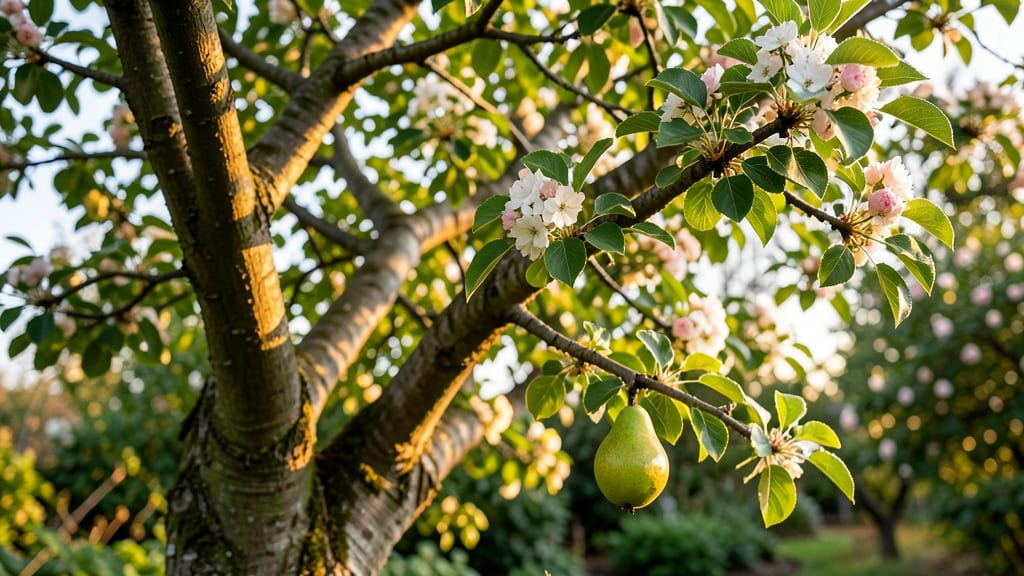
Want to enjoy homegrown pears without waiting years for maturity? The Kieffer pear tree delivers late-summer harvests—often as early as two years after planting—thanks to its fast-growing nature and self-fertile flowers. This means no need for a second tree or bees to pollinate; just plant one and enjoy the rewards.
This cold-hardy variety thrives in USDA zones 4-8, making it perfect for gardeners in northern climates or high elevations. The golden-yellow pears are crisp, sweet, and perfect for fresh eating, while its disease resistance (especially to fire blight) reduces the need for sprays. Prune lightly in late winter to encourage airflow and fruit production.
Ideal for beginners or small spaces, the Kieffer pear tree offers quick gratification with minimal fuss. Whether you're in a cold climate or just want a hassle-free harvest, this tree delivers. 🌟
Hooded Pear Tree for Cold Hardy Growth
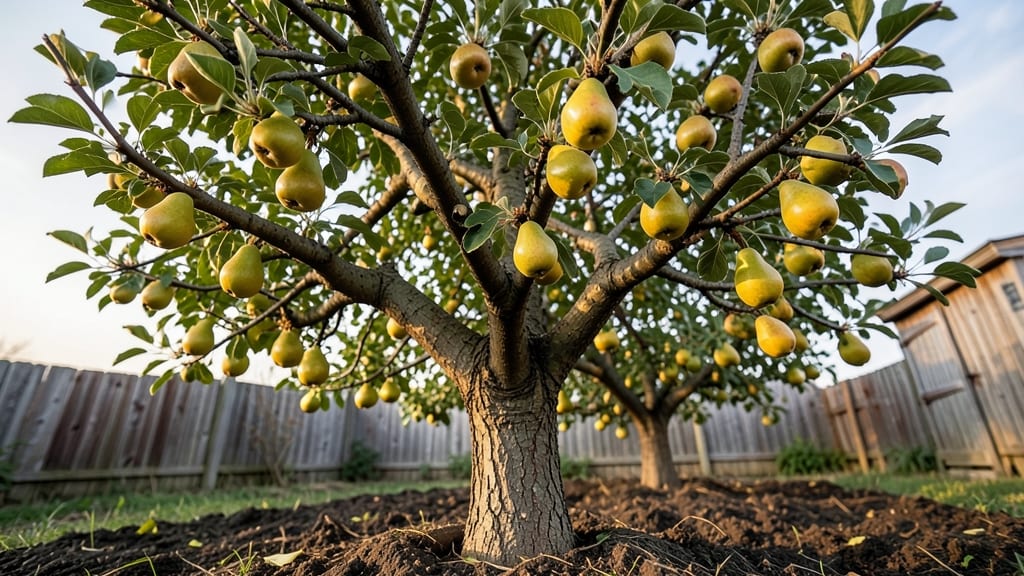
If you live in USDA zones 3-8 and dream of growing your own pears but worry about harsh winters or limited space, the Hooded Pear Tree is your answer. This hardy, self-fruitful variety thrives where others struggle, delivering large, flavorful pears with minimal fuss.
Plant it in full sun with well-drained soil, and you’ll enjoy disease resistance that outshines many competitors. The tree’s moderate size (20-25 feet at maturity) makes it adaptable to smaller yards or orchards, while its cold hardiness ensures reliable fruit production even in northern climates. Prune annually to maintain shape and airflow, and you’ll have a productive tree for decades.
Northern gardeners with limited space will especially appreciate this variety’s low-maintenance nature and ability to produce quality fruit without needing cross-pollination. It’s the perfect choice for those who want a reliable, hardy pear tree that delivers year after year. 🌟
Spencer Plumcot for Unique Flavor Profile
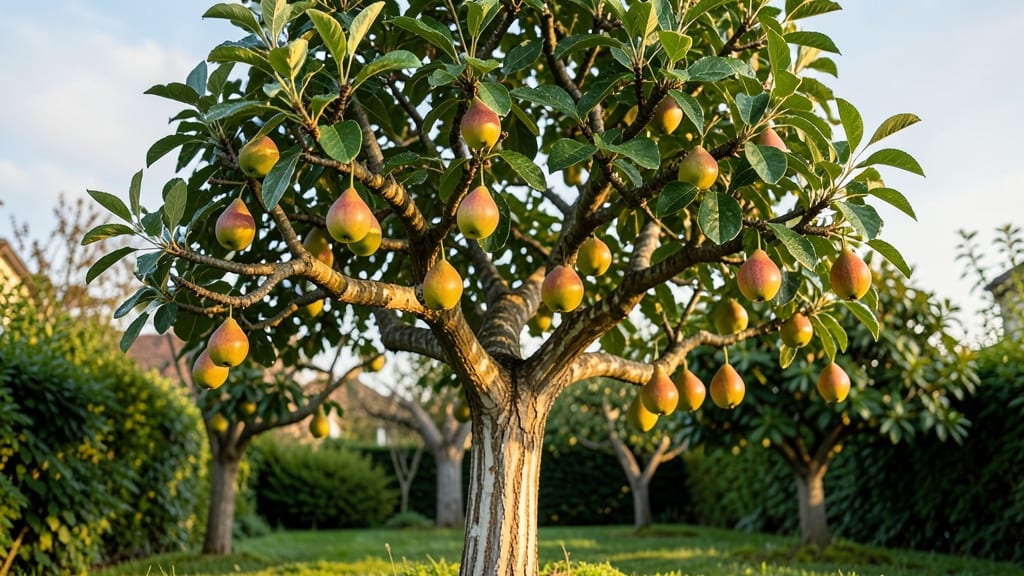
Tired of the same old pear flavors? The Spencer Plumcot offers a delicious twist by blending the best traits of both pears and plums—sweet, juicy flesh with a rich, aromatic scent. This self-pollinating hybrid eliminates the need for a second tree while delivering year-round interest, from its striking red-and-yellow fruit to its compact, manageable size.
Perfect for gardeners with limited space, the Spencer Plumcot thrives in containers or small orchards, maturing to about 12-15 feet tall. It ripens in late summer, producing fruit that’s ideal for fresh eating, jams, or drying. For best results, plant in full sun** and well-drained soil, and prune lightly to maintain its natural shape. This variety is especially rewarding for those who love experimenting with unique flavors.
If you're craving something beyond the ordinary, the Spencer Plumcot delivers a standout harvest with minimal fuss. 🌟
Clapp's Favorite Pear Tree for Disease Resistance
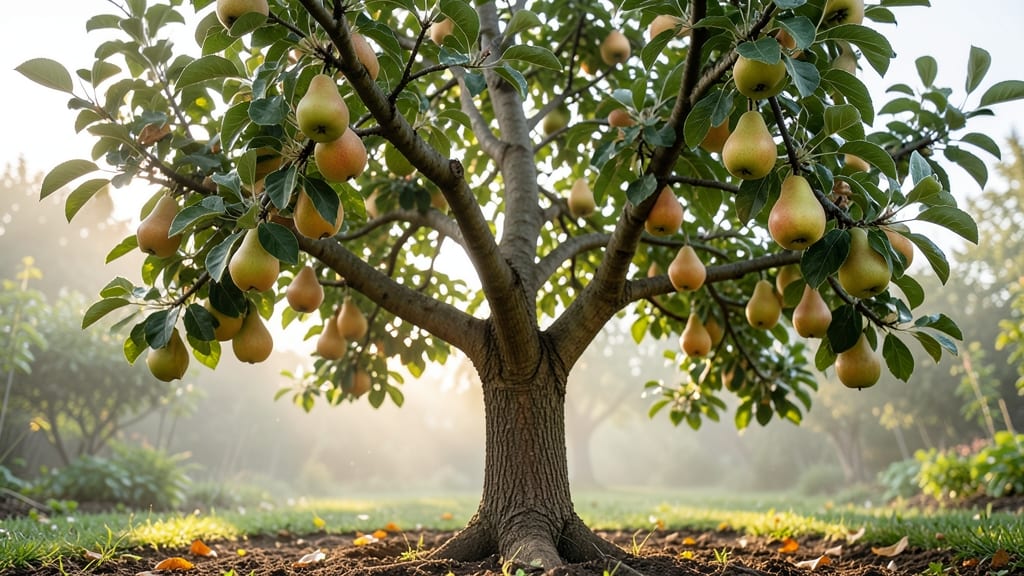
Tired of battling fire blight and other diseases ruining your pear harvest? The Clapp’s Favorite pear tree is a game-changer for organic gardeners and those in problem-prone areas, offering exceptional disease resistance while delivering large, sweet fruit with minimal fuss.
This self-fruitful variety thrives in USDA zones 5-9, producing deep red, juicy pears that ripen in late summer. Its natural resistance to fire blight and other common fungal issues means fewer chemical treatments—ideal for organic growers. Plant it in full sun with well-draining soil, and enjoy low-maintenance care with just regular pruning and watering.
Perfect for gardeners who want reliable harvests without the hassle, this tree is especially great for small spaces or urban orchards where disease pressure is high. 🌟
Bartlett Pear Tree for Classic Flavor
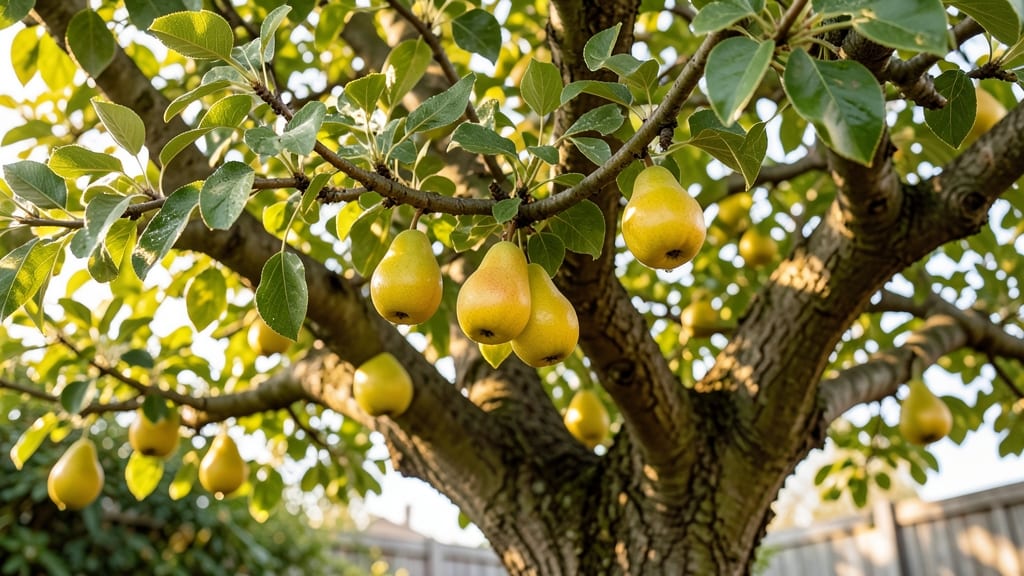
Craving the classic, buttery-sweet pears you remember from childhood? The Bartlett pear tree delivers that nostalgic flavor in your own backyard—no orchard required. This self-fertile standard variety produces reliable harvests of juicy, golden pears perfect for canning, baking, or fresh snacking, making it a versatile workhorse for small gardens.
Thriving in USDA zones 5-9, Bartlett trees grow 20-30 feet tall but can be pruned to fit smaller spaces. They prefer full sun (6+ hours daily) and well-draining soil, with minimal care needed beyond regular watering and annual pruning to maintain shape. The real magic? Their reliable production—once established, they yield 50+ pears annually, with fruit ripening in late summer to early fall.
Whether you're a home canner, a busy gardener, or someone who simply loves classic pear flavor, this tree delivers year-round value from its multi-purpose fruit. 🌟
Patten Pear Tree for Long Storage Life
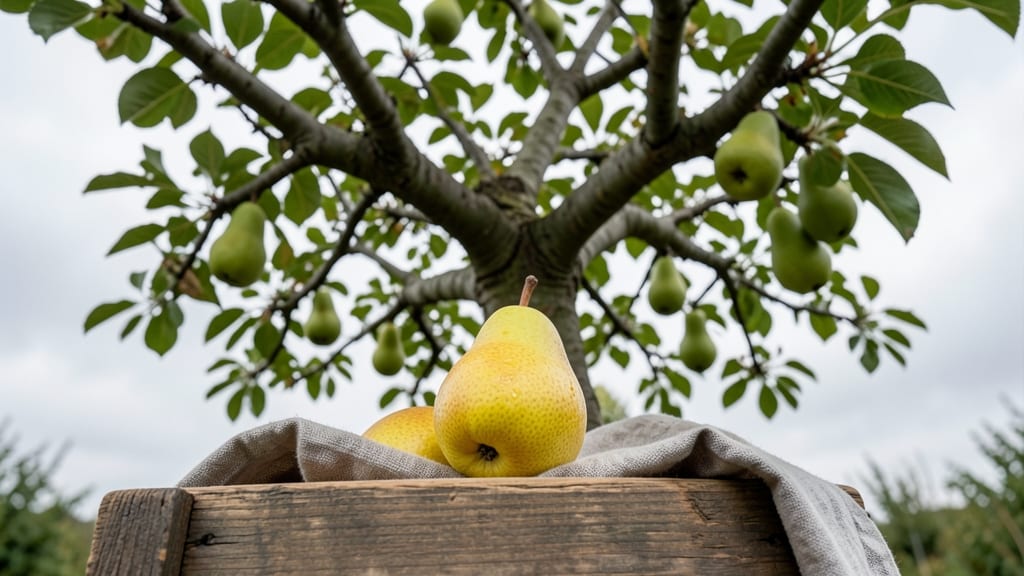
Want pears that stay fresh through the winter without refrigeration? The Patten pear tree is your answer—its fruit can last months in cool, dry storage, making it a gardener’s dream for preserving harvests. This self-pollinating variety eliminates the need for a second tree while delivering crisp, flavorful pears with minimal fuss.
Patten pears thrive in USDA zones 4-8 and grow to a manageable 12-15 feet tall, fitting well in small yards or even large containers. The tree produces medium-sized pears with a golden-yellow skin and tender, juicy flesh that improves after picking—perfect for late-season enjoyment. Plant in full sun with well-draining soil, and prune lightly to maintain shape and airflow.
This variety is especially valuable for homesteaders or those who love seasonal preservation, offering a reliable way to enjoy homegrown pears well beyond harvest season. 🌟
Orient Pear Tree for Heat Tolerance
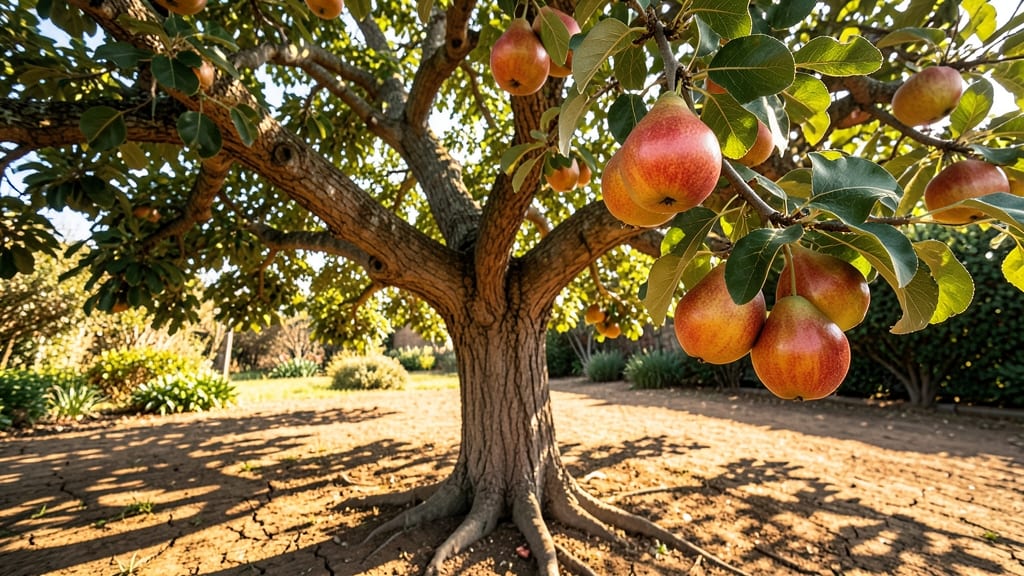
Southern gardeners with scorching summers can finally enjoy homegrown pears thanks to the Orient pear tree—a heat-loving powerhouse that thrives in USDA zones 5-9 without needing a pollinator. This self-fertile variety produces crisp, sweet pears with a golden-red blush, perfect for fresh eating or preserving, all while handling the intense heat that challenges other fruit trees.
Plant it in full sun (6+ hours daily) with well-draining soil, and expect fruit in just 3-4 years. The tree stays compact (12-15 feet tall), making it ideal for small yards or even large containers. Water deeply during dry spells, but avoid overwatering—this drought-tolerant variety prefers consistency over excess moisture. Prune lightly in late winter to maintain shape and airflow.
Perfect for urban homesteaders, southern gardeners, or anyone tired of heat-sensitive fruit trees, the Orient pear delivers reliable harvests with minimal fuss. No orchard required—just plant one and enjoy summer pears straight from your backyard! 🌻
Linda Pear Tree for Cold Climate Success

Northern gardeners with brutal winters can finally say goodbye to fruitless trees—Linda pear trees thrive where most fruit trees would freeze, surviving temperatures down to -30°F without skipping a beat. This self-pollinating variety eliminates the need for a second tree while delivering sweet, juicy pears even in Zone 3.
Plant in full sun (6+ hours daily) with well-draining soil, and expect fruit in 4-5 years. The tree's cold hardiness means you can plant it earlier in spring or later in fall compared to tender varieties. Thin young fruit to 6-8 inches apart for larger pears, and prune in late winter to maintain an open canopy that prevents winter damage.
This is the perfect choice for Alaska, Canada, or northern U.S. gardeners who refuse to give up on homegrown fruit—no orchard required! 🌟