
Shrubs
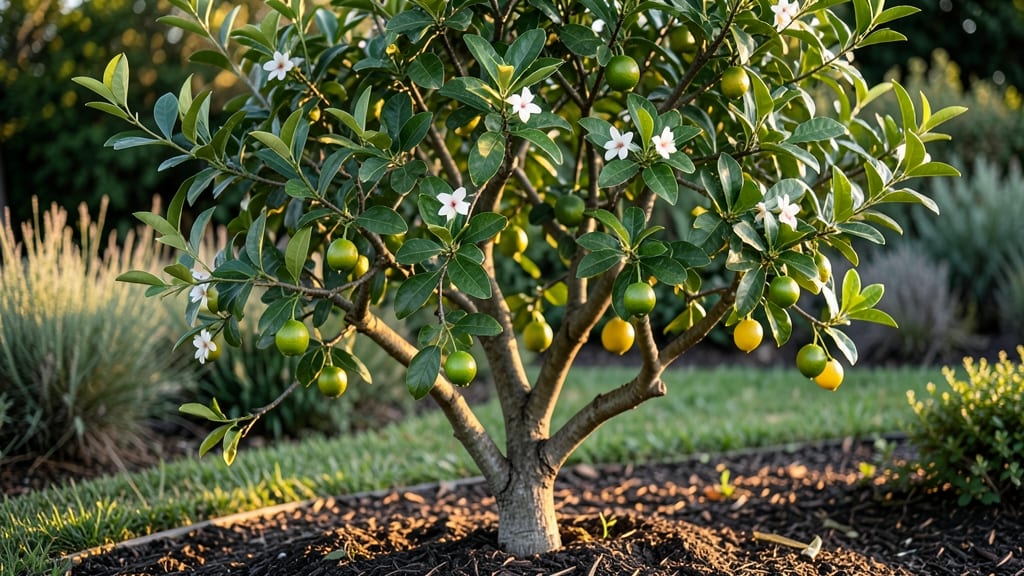
Growing red lime fruit in containers proves you don’t need a backyard to enjoy homegrown citrus. 🌱 The tangy-sweet flavor of these small, vibrant fruits makes them perfect for small spaces, and their compact size means you can grow them on patios, balconies, or even sunny windowsills.
I’ve grown red limes in 15-gallon pots for years, and they produce fruit reliably if you get the basics right.
The secret to success lies in mimicking their natural tropical environment: well-draining soil, bright sunlight, and consistent moisture. Red limes thrive in USDA zones 9-11 but can be overwintered indoors in cooler climates.
Start with a grafted plant (seeds take too long to fruit), and choose a pot with drainage holes to prevent root rot. Fertilize monthly with a citrus-specific blend during growing season for the best results.
By summer, you’ll see glossy green leaves and tiny white flowers that eventually turn into those signature red fruits. The harvest season runs from fall to winter, and one mature plant can yield dozens of fruits.
The flavor is brighter and more intense than regular limes, perfect for cocktails, desserts, or fresh salads.
Watch for common pests like aphids and spider mites, and keep an eye out for fungal issues if humidity spikes. With the right care, your red lime tree will reward you with years of fruit—and the satisfaction of growing something tropical in even the smallest of spaces.
📚 In This Guide
- What you need
- Instructions
- Tips and common mistakes
- Wrapping up and next steps
What you need
- ● Red lime fruit tree: 1 healthy, disease-free Citrus aurantifolia sapling (1–2 years old, ideally grafted for better fruit production).
- ○ Optional: A mature tree (3+ years) if you’re willing to wait longer for fruit.
- ● Container: 1 large pot (15–20 gallons) with drainage holes. Minimum size: 18" diameter x 24" deep for dwarf varieties.
- ● Material: Fiberglass, ceramic, or high-quality plastic (avoid treated wood).
- ○ Optional: A saucer or tray to catch runoff.
- ● Potting mix: 50% well-draining citrus-specific potting mix (or a blend of cactus/succulent mix + perlite).
- ● 25% compost or worm castings for nutrients.
- ● 25% coarse sand or perlite to prevent compaction.
- ● Fertilizer: Slow-release citrus fertilizer (10-10-10 or 8-3-9 NPK ratio). Quantity: 2–3 tbsp per application.
- ○ Optional: Liquid seaweed extract or fish emulsion for a nutrient boost.
- ● Tools: Trowel or small shovel for planting.
- ● Pruning shears (sterilized with rubbing alcohol).
- ● Spray bottle for misting (especially in dry climates).
- ○ Optional: pH testing kit (ideal range: 6.0–7.0).
- ● Climate: Red limes thrive in USDA Zones 9–11. If you’re in a colder zone, grow in a greenhouse or bring indoors during winter. 🏡
- ● Sunlight: 6–8 hours of direct sunlight daily (south-facing window or grow lights if indoors).
- ● Watering setup: Drip irrigation or a watering can with a long spout (avoid overhead watering to prevent fungal diseases).
- ● Patience: Dwarf varieties may take 2–3 years to bear fruit, while standard trees can take 4–5 years.
Step-by-step instructions for growing red lime fruit in containers
Here's how to grow sweet, juicy red limes in pots—no backyard needed!
🪴 Step 1: Choose the Right Container and Soil Mix
Start with a 5-gallon container (minimum) that has drainage holes—red limes hate soggy roots. I like terra cotta pots because they breathe and help prevent fungal issues. Fill the bottom with 2-3 inches of small gravel to improve drainage and keep roots from sitting in water.
Use a well-draining citrus potting mix (never regular garden soil—it compacts and suffocates roots). Mix in 20% perlite or pumice to lighten the blend and improve aeration. The ideal mix should feel like a damp sponge when squeezed—firm but not wet. Avoid heavy mixes that stay clumpy.
☀️ Step 2: Plant Your Red Lime Tree and Position for Success
Remove your red lime from its nursery pot and gently loosen the roots if they're circling. Place it in the container so the root ball sits 1 inch below the rim—this prevents water from spilling over during irrigation. Fill the gaps with your prepared soil mix, pressing lightly to eliminate air pockets but not compacting too tightly.
Red limes need full sun (6-8 hours daily) to produce fruit. A south- or west-facing window works for small trees, but most will outgrow indoor spaces. Move your pot outdoors in spring after last frost and bring it inside before fall temperatures drop below 50°F. Watch for yellowing leaves—this is your signal to adjust light or move the plant.
💧 Step 3: Water and Fertilize for Optimal Growth
Water deeply once a week (more in summer) until water runs freely from the drainage holes. Let the top 2 inches of soil dry out between waterings—overwatering causes root rot faster than underwatering. I use room-temperature water to avoid shocking the roots, and I always water at the base of the plant to keep foliage dry (this prevents fungal diseases).
Feed your red lime every 4-6 weeks with a balanced citrus fertilizer (look for one with equal NPK ratios). In spring and summer, I switch to a high-phosphorus formula (like 10-20-10) to encourage flowering and fruiting. Reduce fertilizer in winter—the tree enters dormancy and needs less nutrition. You'll know you're doing it right when new growth appears within 2-3 weeks of fertilizing.
✂️ Step 4: Prune and Support for Fruit Production
Prune in late winter or early spring before new growth starts. Remove any dead, diseased, or crossing branches first—this improves airflow and reduces pests. Then, trim back overly long branches by one-third to encourage bushier growth. Use clean, sharp pruners and make cuts just above a leaf node (the bump where leaves attach).
Red limes produce best when they have good air circulation. If your tree grows leggy, prune the top 1-2 inches to stimulate side branches. You'll see new shoots within 4-6 weeks—these are your future fruiting limbs. Avoid heavy pruning in summer or fall, as this stresses the tree when it's already working hard to produce fruit.
🍋 Step 5: Harvest and Care for Next Season
Red limes typically fruit 1-2 years after planting, depending on growing conditions. Harvest when the fruit is fully colored (bright red) and slightly soft to the touch. Twist gently to remove—if it doesn't come off easily, leave it another week. Store unripe fruit at room temperature until ripe, then refrigerate for up to 2 weeks.
After harvest, reduce watering slightly and stop fertilizing until early spring. Clean up any fallen leaves or fruit to prevent pests and diseases from overwintering. If your tree is indoors for winter, increase humidity with a pebble tray or humidifier—citrus trees love 50-60% humidity and dry air causes leaf drop. With proper care, your red lime will keep producing fruit for years in containers!
Tips & tricks for thriving red lime trees in containers
These game-changing insights will help your red lime tree flourish—and produce fruit—even in limited space!
Container Size Matters: That 5-gallon minimum isn't just a suggestion—it's critical for root development. If you're tempted to use a smaller pot, think again. Roots need room to breathe, and cramped conditions lead to stunted growth or root rot. I've seen red limes in 7-gallon pots produce fruit twice as fast as those in 3-gallon containers.
Soil Science Secret: The 20% perlite or pumice isn't just about drainage—it's about creating an oxygen-rich environment for roots. When mixing your soil, think "fluffy sponge" not "dense brick." I like to add a handful of worm castings too (optional but amazing)—they introduce beneficial microbes that help break down nutrients for your tree.
Sunlight Strategy: Those 6-8 hours of daily sun are non-negotiable for fruiting, but here's the pro move: rotate your pot quarter-turn every 2-3 weeks. This ensures even growth and prevents the tree from leaning toward the light. In winter, supplement with a grow light 12 inches away for 4-6 hours daily if natural light drops below 4 hours.
Pruning Precision: When you trim back those overly long branches by one-third, you're not just shaping the tree—you're encouraging it to produce more fruit. Make your cuts just above a leaf node (that little bump where leaves attach) to stimulate new growth from that exact spot. I use sterilized pruning shears dipped in rubbing alcohol between cuts to prevent disease spread.
Pro Tips for Red Lime Fruit
- These game-changing insights will help your red lime tree flourish—and produce fruit—even in limited space!
- Container Size Matters: That 5-gallon minimum isn't just a suggestion—it's critical for root development.
- Soil Science Secret: The 20% perlite or pumice isn't just about drainage—it's about creating an oxygen-rich environment for roots.
Frequently asked questions
Got questions about growing red lime fruit in containers?
You’re not alone! Here are answers to the most common queries—from planting to troubleshooting—so you can cultivate this vibrant citrus with confidence.
When is the best time to plant red lime fruit in containers?
The ideal time to plant red lime fruit is in early spring after the last frost, when soil temperatures are consistently above 60°F (15°C). This gives roots time to establish before summer heat. If you’re in a warm climate, late winter works too—just avoid planting in extreme heat or cold.
How often should I water my red lime tree in a container?
Red lime trees in containers need consistent moisture—water when the top 1–2 inches of soil feel dry (usually every 2–3 days in summer and once a week in winter). Overwatering can cause root rot, so ensure pots have drainage holes. Pro tip: Use a moisture meter or stick your finger in the soil to check!
Can I grow red lime fruit indoors, or does it need outdoor sunlight?
Red lime trees thrive outdoors with 6–8 hours of direct sunlight daily, but they can survive indoors near a south-facing window with supplemental grow lights. If indoors, expect slower growth and smaller fruit. For best results, move pots outside during warm months.
Why aren’t my red lime tree leaves turning green, and what can I fix?
Yellow or pale leaves often signal nutrient deficiency (like nitrogen or iron) or overwatering. Try these fixes:
- Fertilize with a citrus-specific formula every 4–6 weeks in growing season.
- Check for chlorosis (yellowing between veins)—this may mean your soil is too alkaline. Amend with sulfur or chelated iron.
- Ensure pots drain well and avoid soggy soil.
What’s a good alternative if red lime fruit is hard to find?
If red lime trees are scarce, try these low-maintenance citrus alternatives for containers:
- Meyer lemon – Sweeter, cold-hardier, and easier to grow.
- Calamondin orange – Dwarf size, fragrant flowers, and edible fruit.
- Kumquat – Compact, fast-growing, and great for small spaces.
How do I know when red lime fruit is ripe and ready to pick?
Red lime fruit ripens in 1–2 years after flowering. Look for these signs:
- Color shifts from green to bright red or orange.
- Fruit feels slightly soft when gently squeezed (but not mushy).
- Skin may develop a pebbly texture.
Wrapping up and next steps
The red lime fruit proves that growing citrus in containers is not only possible but also incredibly rewarding—even in small spaces! With the right soil, sunlight, and care, you can enjoy fresh, tangy limes year after year.
Whether you’re a beginner or a seasoned gardener, this guide has given you all the tools to succeed.
Now that you’re ready to plant, take the first step today—grab your container, pick a sunny spot, and let your red lime tree thrive! 🌱✨ Happy growing!