
Container Gardens
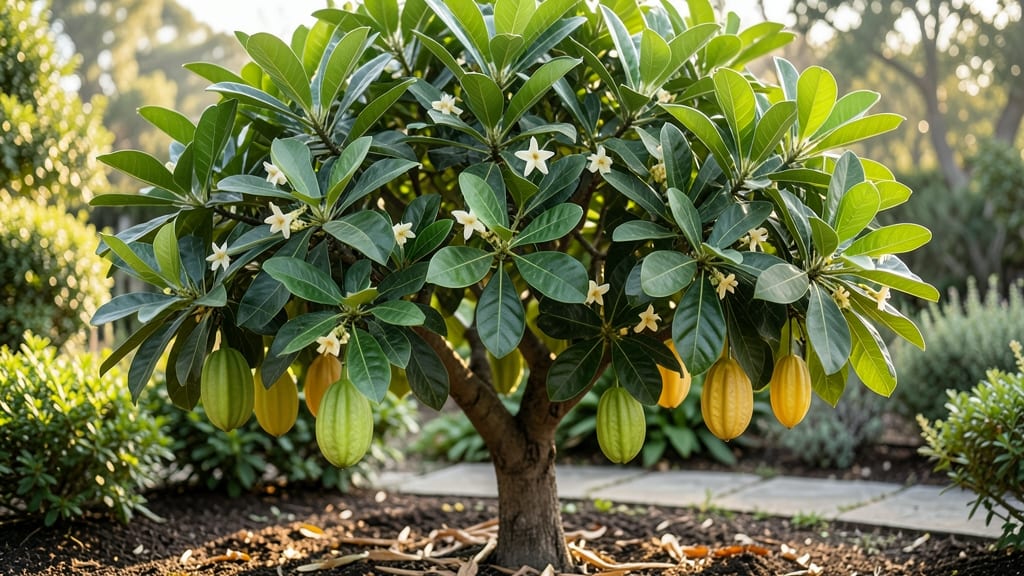
Star fruit trees grow best in USDA hardiness zones 10 through 12, where they enjoy frost-free climates year-round. For cooler areas, container growing with seasonal relocation is essential to prevent damage from temperatures below 32°F.
These tropical trees demand consistent warmth—any frost exposure can kill them, even if they're established. 🌴 The key is replicating their native conditions: full sun exposure, well-draining soil, and humidity levels above 50%.
I've seen gardeners in zone 8 successfully grow star fruit by moving potted trees indoors during winter, using grow lights to supplement sunlight. The trade-off is slower growth outside ideal zones, but with proper care, you can still enjoy fruit in 3-5 years.
For container growing, choose pots at least 18 inches wide with drainage holes, and use a mix of cactus soil and perlite for optimal drainage. During winter, maintain indoor temperatures between 60-70°F and avoid cold drafts.
Pruning in late winter helps control size while encouraging new growth when moved back outdoors in spring.
💡 In This Article
- USDA Zones 10-12: Ideal Climate Conditions for Star Fruit Trees
- Container Growing Tips for Star Fruit Trees Outside Zones 10-12
USDA zones 10-12: ideal climate conditions for star fruit trees
Star fruit trees (Averrhoa carambola) originate from Southeast Asia and thrive in tropical climates where temperatures stay consistently above 60°F year-round. The USDA zones 10-12 provide the perfect environment because they offer frost-free conditions and high humidity levels—typically between 60-80%.
These trees are extremely frost-sensitive; even a brief exposure to 32°F can cause irreversible damage to leaves and branches, while temperatures below 20°F will kill the plant entirely. 🌡️
The ideal temperature range for star fruit trees is 75-90°F during the day, with nighttime lows never dropping below 60°F. This warmth triggers their natural flowering cycle, which typically occurs in spring and summer. Without this consistent heat, the tree may produce fewer flowers or no fruit at all.
In zones 10-12, the trees experience a gentle seasonal shift rather than harsh winters, allowing them to focus energy on growth and fruiting instead of survival. The tropical climate also provides the high humidity these trees crave—dry air can cause leaf drop and stunted growth.
Star fruit trees also require 6-8 hours of direct sunlight daily, which is abundant in their native zones. Insufficient light leads to weak stems, smaller leaves, and poor fruit production. The trees' native habitat receives consistent sunlight year-round, so replicating this exposure is critical for optimal health.
In zones 10-12, gardeners can place trees in full sun locations without worrying about winter shade requirements. The combination of warmth, humidity, and sunlight creates the perfect storm for vigorous growth and abundant fruiting.
Another critical factor is rainfall distribution. Star fruit trees prefer 40-60 inches of annual rainfall, but they're drought-tolerant once established. However, in zones with less rainfall, gardeners must supplement with regular watering to maintain soil moisture without waterlogging.
The roots are sensitive to both drought and soggy conditions, so well-draining soil is essential. In their native zones, the trees experience consistent moisture without prolonged saturation, which is why they struggle in areas with heavy clay soils or poor drainage.
What most people don't realize is how sensitive star fruit trees are to temperature fluctuations. Even a sudden drop of 10°F can stress the tree, causing leaf drop and reduced flowering. This is why container growing in cooler zones requires careful monitoring of indoor temperatures during winter months.
The tree's native environment maintains stable temperatures, so replicating this consistency is key to success outside zones 10-12. 🌿
For those living in zones 10-12, the main challenge isn't temperature but rather protecting young trees from occasional cold snaps that can dip below freezing. Mature trees are more resilient, but young specimens may need temporary protection like frost cloths during unexpected cold events.
The reward for perfect conditions? A tree that can produce 100-200 fruits per year once mature, with each fruit containing 5-8 seeds and a unique star-shaped cross-section when sliced.