
Blooming
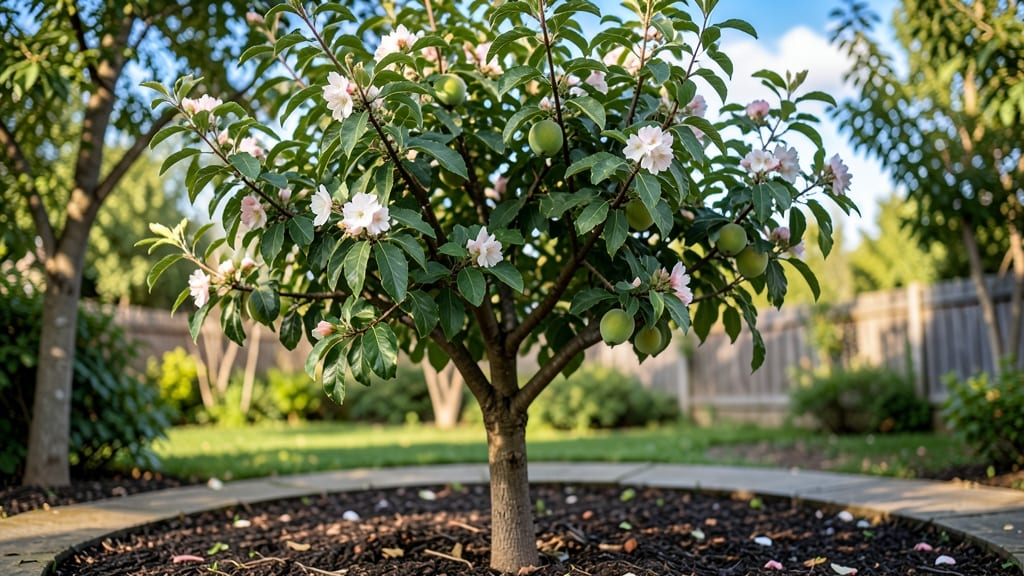
Fruiting a peach tree takes patience, but knowing how long to expect before those sweet 🍑 appear can save you years of waiting.
Picture this: You’ve planted your peach tree in spring, watered it religiously, and even pruned it just right—yet the first year rolls by with no fruit in sight. That’s because most peach trees need 2 to 4 years before they bear fruit, depending on the variety and your climate zone.
But here’s the good news: Some varieties fruit in as little as 2 years, while others may take up to 5 years in cooler zones.
The key lies in choosing the right type for your area, giving it the best care, and understanding how to speed up the process naturally.
In this guide, I’ll break down the exact timeline by variety, how your climate zone affects fruiting, and 5 proven tricks to get those peaches faster—without chemicals or shortcuts.
Peach tree fruit timeline by variety: fastest to slowest bearing years
If you're dreaming of juicy peaches but impatiently watching your tree grow, the variety you choose makes all the difference. Some peach trees burst into fruit in just 2 years, while others take 5+ years to produce their first harvest.
The secret lies in understanding each variety's natural timeline and growth habits.
Fast-bearing varieties like Reliance or Redhaven are bred for efficiency, while heirlooms like Elberta prioritize flavor over speed. Even within the same species, dwarf peach trees mature faster than standard varieties. Let’s break down the exact timelines so you know what to expect—and how to speed things up.
📌 Pro Tip: Plant two compatible varieties for cross-pollination, which can boost fruit production by 30-50% in the first fruiting year. This is especially critical for early-bearing varieties that need help setting fruit.
Dwarf varieties like Reliance or Contender are your best bet for speed, often producing fruit in just 2-3 years. These trees are bred to mature quickly and stay compact, making them perfect for small gardens or containers.
Their smaller size also means they require less pruning and maintenance to keep them healthy.
Mid-season varieties like Redhaven or Bonanza strike a balance between speed and productivity. They typically fruit in 3-4 years and offer reliable harvests once established. These are great choices if you want a mix of early and late-season fruit without waiting too long.
Heirloom varieties like Elberta or Halehaven take longer to bear fruit—usually 4-5 years—but reward you with exceptional flavor and larger fruit. If you’re willing to wait, these varieties are worth the investment for their superior taste and texture.
🌱 Climate Matters: Trees in USDA zones 6-8 fruit faster than those in colder zones (like zone 4) or hotter zones (like zone 9+). Cold snaps can delay fruiting, while extreme heat can stress young trees, pushing back their first harvest.
To speed up fruiting, focus on three key factors: proper soil health, adequate sunlight, and consistent watering. Amend your soil with compost before planting, and mulch annually to retain moisture and nutrients.
Young trees need deep watering twice weekly during their first year to establish strong roots.
Pruning also plays a critical role. In the first year, remove any suckers or competing branches to direct energy toward fruit production. By year two, prune to open the canopy for better airflow and sunlight penetration, which encourages heavier fruit set.
💡 Pollination Hack: If you’re growing a single tree, plant a second compatible variety within 50 feet to ensure cross-pollination. Bees love peach blossoms, but a second tree guarantees better fruit set, especially in early-bearing varieties.
How climate zones affect peach tree fruiting speed (and how to adapt)
Your peach tree's fruiting timeline isn't just about age—it's heavily influenced by your USDA climate zone. In warmer zones (8-10), trees may fruit in 2-3 years, while in cold zones (4-6), they might take 4-5 years or longer.
This difference comes down to chilling hours and heat tolerance. Cold-hardy varieties like Montgomery thrive in zone 4, while Redhaven prefers zones 5-9.
Peach trees need 200-1,000 chilling hours (below 45°F) to set fruit properly. In zone 9+, many varieties fail to fruit because they don't get enough winter chill.
Meanwhile, in zone 4, late frosts can damage blossoms before fruiting begins. Choosing the right variety for your zone is the first step to faster fruit production.
| USDA Zone | Chilling Hours Needed | Best Varieties | Fruiting Time | Adaptation Tips |
|---|---|---|---|---|
| 4-5 | 800-1,000 | Montgomery, Reliance | 4-5 years | Use windbreaks, plant south-facing |
| 6-7 | 500-700 | Elberta, Redhaven | 3-4 years | Mulch heavily for winter protection |
| 8-9 | 200-400 | Suncrest, Flordagrand | 2-3 years | Provide afternoon shade in summer |
| 10+ | 0-200 | Tropic Snow, Tropic Beauty | 1-2 years | Use drip irrigation for heat stress |
In cold climates (zones 4-6), I recommend planting dwarf varieties like Bonanza near your home for easier frost protection. These trees fruit faster (3-4 years) and are easier to cover with frost cloths.
For zone 9+, consider low-chill varieties that can fruit in just 1-2 years, though they may produce smaller harvests.
To accelerate fruiting in harsh climates, I prune aggressively in late winter to remove water sprouts and open the canopy for better sunlight penetration. In hot zones, I use shade cloth during peak summer to prevent heat stress, which can delay fruiting.
Both strategies help the tree focus energy on producing fruit rather than struggling with environmental stress.
Another key adaptation is soil temperature. Peach trees need warm soil (60°F+) to root and flower properly. In cool zones, I plant on south-facing slopes to absorb more heat.
In hot zones, I add organic mulch to keep roots cool. These small adjustments can shave 1-2 years off your fruiting timeline.
Remember, cross-pollination is critical for fruit set. If you're in zone 4, plant two compatible varieties close together. In zone 9+, hand-pollinate blossoms with a small brush if bees are scarce. These climate-specific tweaks ensure your peach tree doesn't waste energy on failed blooms—just juicy fruit.