
Pruning
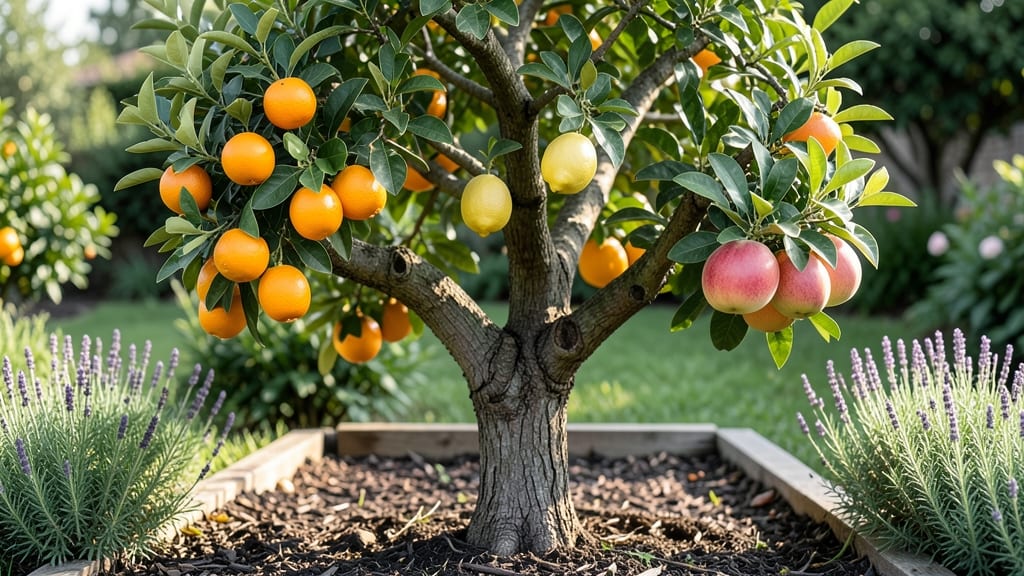
A single tree bearing six varieties of apples—yes, that’s real. 🌳 I’ve watched my own multi-grafted fruit tree go from bare branches to a lush, productive wonder, and the secret isn’t magic—it’s smart pruning and a little horticultural alchemy.
The key starts with choosing the right tree: dwarf varieties grafted with different scions (like Honeycrisp, Fuji, and Granny Smith) on a single rootstock. Plant it in well-draining soil with full sun, and you’re halfway there.
The real work happens in winter when you shape the branches to encourage strong growth and fruit production. By late summer, you’ll be picking ripe fruit from different branches at once—some sweet, some tart, all from the same tree.
The tree stays compact, fits small yards, and produces 2-3 times the fruit of a single-variety tree. Works for apples, citrus, peaches, or plums—just adjust pruning timing to your climate. Here’s how to make it happen without losing your mind (or your tree).
📚 In This Guide
- What you need
- Instructions
- Tips and common mistakes
- Wrapping up and next steps
What you need
- ● Fruit tree varieties: Choose 3–5 compatible dwarf or semi-dwarf trees (e.g., apple, pear, peach, plum, cherry). Ensure they’re graft-compatible for multi-grafting.
- ● Rootstock: 1–2 healthy, disease-resistant rootstocks (e.g., M.9 for apples, Colt for peaches).
- ● Grafting tools: Sharp grafting knife or budding knife (for whip-and-tongue or bud grafting).
- ● Grafting tape or rubber bands (¼ inch wide).
- ● Pruning shears (bypass type, 6–8 inch blades).
- ● Soil & amendments: Well-draining potting mix (sterile, 1–2 cubic yards for in-ground planting).
- ● Compost or organic matter (1–2 bags, 40 lb each).
- ● Slow-release fertilizer (10-10-10 or balanced organic, 5–10 lbs).
- ● Protective gear: Gloves (nitrile or leather), safety goggles, and a dust mask (for soil handling).
- ● Planting: Trowel, shovel, and wheelbarrow (for soil transport).
- ● Support: Stakes (3–4 ft long, ½ inch diameter) + tree ties (10–20 pieces).
- ● Watering: Hose with adjustable nozzle or drip irrigation kit.
- ○ Monitoring: pH test kit (soil), moisture meter (optional but helpful).
- ● Grafting aids: Grafting wax or sealing putty (to prevent drying).
- ● Mulch: Wood chips or straw (2–3 inches thick, 1 cubic yard).
- ● Pest control: Neem oil, copper spray, or beneficial insects (ladybugs, lacewings).
- ● Training tools: Spreaders or pruning spreaders (for shaping).
- ● Tech upgrades: Smart soil sensors or automated watering system.
Instructions for growing a real multi-fruit tree
Here's how to cultivate a thriving multi-fruit tree that rewards you with seasonal harvests.
🌱 Step 1: Select the Right Variety and Location
Choose a multi-grafted tree that includes your favorite fruits—common combinations feature apples, pears, and plums on a single trunk. I always plant mine in full sun (at least 6-8 hours daily) with well-draining soil. The rootstock determines hardiness, so match it to your climate zone.
Dig a hole twice as wide as the root ball but no deeper. Loosen the sides of the hole to encourage root spread. If your soil is heavy clay, mix in 2-3 inches of compost at the bottom to improve drainage. This prevents root rot, which can kill a young tree before it bears fruit.
☀️ Step 2: Plant and Water Thoroughly
Place the tree in the hole so the graft union (the bulge near the base) sits 2-3 inches above soil level. This prevents the graft from being buried, which can cause it to sprout wild shoots. Backfill with native soil, tamping gently to remove air pockets.
Water deeply right after planting—enough to settle the soil and eliminate air gaps. A newly planted tree needs 1-2 gallons of water per week, depending on rainfall. Mulch around the base with 2-3 inches of organic mulch (like wood chips) to retain moisture and regulate soil temperature.
✂️ Step 3: Prune for Structure and Fruit Production
Prune in late winter or early spring before buds swell. Remove any dead, diseased, or crossing branches first. Then, shape the tree by cutting back 1/3 of the new growth to encourage strong branching. I always aim for an open center to allow sunlight and air circulation.
Watch for water sprouts (fast-growing vertical shoots) and suckers (shoots from below the graft). Remove them immediately—they drain energy from fruit production. Thin out crowded branches in summer to improve fruit size and quality. You'll see more uniform growth and better harvests within a season.
🌿 Step 4: Fertilize and Maintain Seasonal Care
Apply a balanced 10-10-10 fertilizer in early spring and again in midsummer. Follow package instructions for amounts—over-fertilizing can burn roots. I also add compost annually in late fall to replenish nutrients and improve soil structure.
Monitor for pests like aphids or scale insects. A strong spray of water can dislodge many pests, but for stubborn infestations, use an organic insecticidal soap. Keep an eye out for fungal diseases like powdery mildew, especially in humid climates. Prune infected branches promptly and avoid overhead watering to prevent spread.
⏰ Step 5: Harvest and Prepare for Next Season
Harvest fruits when they reach peak ripeness—this varies by variety but is usually when they easily detach from the tree. Pick in the morning after dew has dried to preserve quality. Store fruits in a cool, dry place or process them immediately for jams, preserves, or drying.
After harvest, clean up fallen leaves and debris to reduce disease risk. Prune again lightly in late fall to remove any dead or weak growth. This keeps the tree healthy and sets it up for another productive season. With proper care, your multi-fruit tree will reward you with harvests for decades.
Tips & tricks for perfect multi-fruit tree cultivation
A few key insights that'll help your multi-fruit tree thrive and bear fruit for years to come.
Sunlight Strategy: While the instructions call for 6-8 hours of daily sun, I've found that morning sun (especially before 10 AM) is most critical for fruit development. Position your tree so it gets that morning light directly, even if afternoon shade is unavoidable. The cooler afternoon sun helps prevent sunburn on fruit skins, which is especially important for thin-skinned varieties like plums.
Graft Union Protection: That 2-3 inch clearance above soil level for the graft union is non-negotiable, but here's what I do differently: I mound extra soil around the base after planting to create a slight berm that naturally directs water away from the graft. This prevents rot while still keeping the union exposed. Just be sure to remove any soil buildup that reaches the graft itself.
Watering Wisdom: The 1-2 gallons per week guideline works for established trees, but newly planted trees need more immediate attention. I water deeply every other day for the first two weeks after planting, then gradually reduce to the weekly schedule. This helps the roots establish quickly before they're ready for the regular routine. A soaker hose makes this much easier than hand-watering.
Pruning Precision: When cutting back that 1/3 of new growth in Step 3, look for branches that grow at a 45-degree angle or wider—they'll produce more fruit than straight-up vertical shoots. Also, make your cuts just outside the branch collar (the swollen area where the branch meets the trunk) rather than slicing into it. This promotes faster healing and stronger regrowth.
Pro Tips for Real Multi Fruit Tree
- A few key insights that'll help your multi-fruit tree thrive and bear fruit for years to come.
- Sunlight Strategy: While the instructions call for 6-8 hours of daily sun, I've found that morning sun (especially before 10 AM) is most critical for fruit development.
- This prevents rot while still keeping the union exposed.
Frequently asked questions
Got questions about growing a real multi-fruit tree? You’re not alone! Here are answers to the most common queries to help you thrive with your year-round harvest.
How long does it take for a multi-fruit tree to bear fruit?
A real multi-fruit tree typically starts producing fruit within 3–5 years of planting, depending on the variety and growing conditions. Dwarf varieties may fruit faster (2–3 years), while standard trees take slightly longer. Patience pays off—early blooms may appear, but consistent fruit production usually kicks in by year 4 or 5.
When is the best time to prune a multi-fruit tree for maximum yield?
Prune your tree twice a year for optimal results: late winter/early spring (before buds swell) to shape the tree and remove dead wood, and summer (after harvest) to thin out crowded branches. Avoid heavy pruning in fall—it can stress the tree before winter. Light trimming to improve airflow and sunlight exposure year-round also helps!
Can I grow a multi-fruit tree in a container, or do I need a yard?
Yes! Many real multi-fruit trees thrive in large containers (15+ gallons) as long as they get 6+ hours of sunlight daily and proper drainage. Dwarf varieties are ideal for patios or small spaces. Just ensure the pot is stable (trees can get heavy!) and use high-quality potting soil. Urban gardeners, rejoice—fresh fruit is within reach!
What pests or diseases should I watch for, and how do I prevent them?
Common threats include aphids, fruit flies, and fungal diseases like powdery mildew. Prevent issues with regular pruning for airflow, neem oil sprays, and organic mulch. Remove fallen fruit promptly to deter pests. If you spot trouble, isolate affected branches and treat early. A healthy tree is your best defense!
Can I graft new fruit varieties onto my existing multi-fruit tree?
Grafting is a great way to add new fruit varieties to your tree. Choose compatible rootstock and scion wood, and graft in late winter or early spring when the tree is dormant. Success rates improve with practice, but even beginners can try with the right tools (like a grafting knife and tape). Just ensure the graft heals properly before removing the graft union’s protective wrap.
Wrapping up and next steps
Growing a real multi-fruit tree is a rewarding journey that blends creativity, patience, and a touch of horticultural magic! 🌱 With the right techniques—like smart pruning, grafting, and seasonal care—you can enjoy a year-round harvest of diverse, delicious fruits.
Whether you're a beginner or a seasoned gardener, the key is to start small, stay consistent, and celebrate every new bloom or harvest.
Ready to take the next step? Pick one fruit to graft first, gather your tools, and dive in! Your future orchard—and taste buds—will thank you. Happy growing! 🌟