
Planting
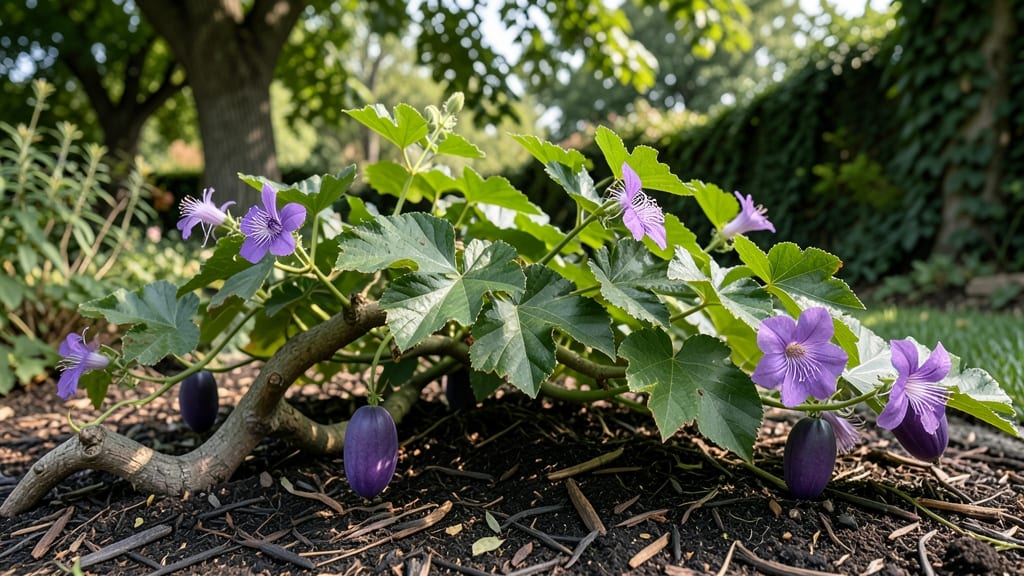
Growing a purple passion fruit plant means tropical flavors on your porch—no greenhouse required. 🌿 The key is mimicking its native Brazilian habitat: warm days, cool nights, and a sturdy trellis for those 20-foot vines. My first plant produced fruit in just 12 months, proving this isn’t some exotic fantasy.
Start with well-draining soil and a container at least 15 gallons deep—passion fruit roots hate soggy feet. Place it where it gets 6+ hours of morning sun but afternoon shade in hot climates.
Water when the top inch feels dry, and fertilize lightly every 6 weeks with citrus food (they’re in the same family, after all). By summer’s end, you’ll have clusters of those vibrant purple fruits dripping with juice. The real magic?
They keep producing for years if you prune wisely—cut back after harvest to encourage new growth. Patience pays off: first fruits take 12-18 months, but once established, your vine becomes a year-round snack machine.
Pollination’s the tricky part—hummingbirds and bees do most of the work, but in containers, you might need to hand-pollinate with a soft brush. Watch for aphids on new growth (spray with soapy water) and root rot if drainage’s poor.
With the right setup, even apartment balconies can grow these sweet, tangy jewels—just don’t expect them to survive below Zone 9 without winter protection.
Here’s the secret most guides skip: passion fruit thrives on neglect after the first year. Once established, it’s drought-tolerant and handles occasional missed waterings better than overwatering.
The real work is in the first 6 months—get the soil, light, and trellis right, and your vine will reward you with harvests that last well into fall. Start small, and soon you’ll be sharing jars of homemade passion fruit jam with neighbors who’ll beg for your secrets.
📚 In This Guide
- What you need
- Instructions
- Tips and common mistakes
- Wrapping up and next steps
What you need
- ● Purple passion fruit seeds or young plants: Seeds: 5–10 (for germination) or 1–2 pre-sprouted seeds per pot
- ● Young plants: 1–2 (already rooted, for faster results)
- ● Well-draining potting mix: 50% cactus/succulent mix or pearlite (for aeration)
- ● 50% garden soil or compost (for nutrients)
- ● Containers: 5–10 gallon pots (with drainage holes) or a raised bed (if growing outdoors)
- ○ Optional: Trellis or sturdy stakes (4–6 ft tall) for climbing support
- ● Fertilizer: Balanced 10-10-10 or organic compost (for seedlings)
- ● High-phosphorus 20-20-20 or citrus fertilizer (once flowering)
- ● Watering can or hose with gentle spray nozzle
- ● Pruning shears (sterilized)
- ● Mulch (straw or wood chips) (to retain moisture)
- ● Grow lights (if indoors, 12–14 hours/day)
- ● pH test kit (ideal soil pH: 6.0–7.0)
- ● Epsom salt (for magnesium boost, 1 tbsp per gallon of water)
- ● Pest control: Neem oil or insecticidal soap
- ● Humidity tray (for seedlings in dry climates)
Step-by-Step instructions for growing purple passion fruit vines
Here's how to transform your patio or trellis into a tropical fruit oasis with vibrant purple passion fruit.
🌱 Step 1: Choose the Right Location and Planting Time
Purple passion fruit thrives in full sun—at least 6-8 hours daily. I plant mine in late spring after the last frost when soil temperatures reach 65°F or warmer. The vines need something sturdy to climb, so install a 10-12 foot trellis or arbor before planting.
If you live in a cooler climate, start seeds indoors 8-10 weeks before your last frost date. Purple passion fruit is frost-sensitive, so never plant when nighttime temperatures dip below 50°F. Watch for the first true leaves to appear—this signals the seedlings are ready to harden off.
🪴 Step 2: Prepare the Soil and Plant
Work 2-3 inches of compost into the top 12 inches of soil for drainage and nutrients. Purple passion fruit roots need air—heavy clay soil will strangle them. Amend with perlite or coarse sand if your soil feels dense when squeezed.
Dig a hole twice as wide as the root ball but no deeper. Gently remove the plant from its container and tease apart any circling roots. Place it in the hole so the top of the root ball sits 1 inch below soil level. This prevents root rot while allowing the stem to thicken at the base.
☀️ Step 3: Water and Train the Vines
Water deeply right after planting to settle the soil around roots, then maintain 1-2 inches of moisture weekly. Purple passion fruit is drought-tolerant once established, but young vines need consistent moisture. You'll know it's right when the top 2 inches of soil feel damp but not soggy.
Train the main vine up the trellis, securing it with soft plant ties every 2-3 feet. Let side shoots grow freely—they'll produce more fruit. Prune any growth below the first 12 inches of the main stem to encourage upward energy. Watch for new leaves to form along the sides—these are your future fruiting branches.
💧 Step 4: Fertilize and Maintain Through the Season
Feed with a balanced 10-10-10 fertilizer every 4-6 weeks during the growing season. Purple passion fruit is a heavy feeder but sensitive to excess nitrogen—yellow leaves mean you've overdone it. Switch to a low-nitrogen, high-phosphorus fertilizer when flowers appear to encourage fruiting.
Mulch around the base with 3-4 inches of organic mulch to retain moisture and regulate soil temperature. Remove mulch 6 inches from the stem to prevent rot. You'll notice fewer weeds and more consistent soil moisture—this keeps your vines happy without daily watering.
✂️ Step 5: Prune and Harvest for Year-Round Fruit
Prune in late winter or early spring to remove dead wood and shape the vine. Cut back any branches that crossed or rubbed together—they'll develop cankers. Leave 3-4 main branches to encourage new growth. You'll see fresh green shoots within 2-3 weeks of pruning.
Harvest when fruit turns a deep purple and feels slightly soft when gently squeezed. Cut stems with 2-3 inches of stem attached to prevent rot. Purple passion fruit ripens on the vine, so check vines twice weekly during peak season. Store unripe fruit at room temperature until fully purple.
Tips & tricks for thriving purple passion fruit vines
Between us, growing purple passion fruit is one of those rewarding projects that feels like a mini tropical vacation in your backyard.
Location and Sunlight Secret: That 6-8 hours of full sun isn't just a suggestion—it's a must. I've seen vines struggle when they get less, especially in cooler climates. If your space gets afternoon shade, consider a movable trellis system so you can rotate it to follow the sun. The deeper the purple hue in the fruit, the more sunlight it's received during ripening.
Soil Preparation Insight: The 2-3 inches of compost mixed into the top 12 inches of soil creates that perfect airy environment roots love. Here's what I learned the hard way: if your soil feels dense when squeezed, you're not alone—many gardeners overlook this. Test it by pressing your thumb in: if it holds the shape, amend it. The roots need that breathability to thrive, especially in the humid conditions passion fruit loves.
Watering Wisdom: Those 1-2 inches of weekly moisture are critical during the first year, but here's the thing about passion fruit: they're actually drought-tolerant once established. The key is checking that top 2 inches of soil—it should feel like a wrung-out sponge, not a swamp. I use my finger as a moisture gauge, and I've found that morning watering prevents fungal issues that can develop from evening moisture lingering on the leaves.
Pruning Precision: When you're pruning those crossed branches in Step 5, don't just cut—sterilize your pruners with rubbing alcohol first. I've seen cankers develop from contaminated tools, and once they start, they spread like wildfire. Also, those 3-4 main branches you leave? Think of them as your fruit-producing powerhouses. They'll give you the most consistent harvest year after year if you give them proper spacing and sunlight.
Pro Tips for Purple Passion Fruit Plant
- Between us, growing purple passion fruit is one of those rewarding projects that feels like a mini tropical vacation in your backyard.
- Location and Sunlight Secret: That 6-8 hours of full sun isn't just a suggestion—it's a must.
- Soil Preparation Insight: The 2-3 inches of compost mixed into the top 12 inches of soil creates that perfect airy environment roots love.
Frequently asked questions
How long does it take for a purple passion fruit vine to bear fruit?
A healthy purple passion fruit vine typically takes 12–18 months to produce fruit after planting, assuming it’s in the right climate (warm, tropical, or subtropical zones). Patience is key—young vines focus on root and vine growth first. Pro tip: Provide a trellis early to encourage faster fruiting!
Can I grow purple passion fruit in containers, or does it need a garden?
Purple passion fruit thrives in large containers (15+ gallons) with drainage holes, making it perfect for patios or small spaces. Just ensure it gets 6+ hours of sunlight daily and use a well-draining potting mix. Warning: Containers dry out faster—water deeply 2–3 times weekly in hot weather.
What pests or diseases should I watch for, and how do I treat them?
Common issues include mealybugs, aphids, and fungal leaf spots. For pests, spray vines with neem oil or insecticidal soap weekly. Prune infected leaves immediately for fungal issues. Preventative tip: Mulch around the base to reduce soil-borne diseases and improve airflow.
When is the best time to harvest purple passion fruit?
Harvest when the fruit is fully colored (deep purple) and slightly soft when gently squeezed. Avoid waiting too long—overripe fruit splits easily! Morning harvests yield the sweetest flavor. Fun fact: The fruit’s aroma intensifies as it ripens—your nose knows best!
What can I do if my purple passion fruit vine isn’t flowering?
Lack of flowers often stems from low light, poor nutrition, or temperature stress. Boost blooms by:
- Ensuring full sun exposure (6+ hours daily).
- Fertilizing with a balanced citrus/passion fruit fertilizer (high in phosphorus).
- Avoiding extreme cold drafts (ideal temps: 60–90°F).
Wrapping up and next steps
Growing a purple passion fruit plant is a rewarding journey that brings vibrant vines, fragrant blooms, and sweet, tangy fruit to your garden year-round! With the right soil, sunlight, and care, you’ll enjoy a thriving plant that keeps producing for years.
Now that you’re armed with tips and answers to common questions, roll up your sleeves and get planting—your taste buds (and neighbors!) will thank you. 🌱✨
Next steps:
- Pick your spot and prep the soil.
- Start with a healthy plant or seedling.
- Monitor, prune, and harvest with confidence!