
Succulent
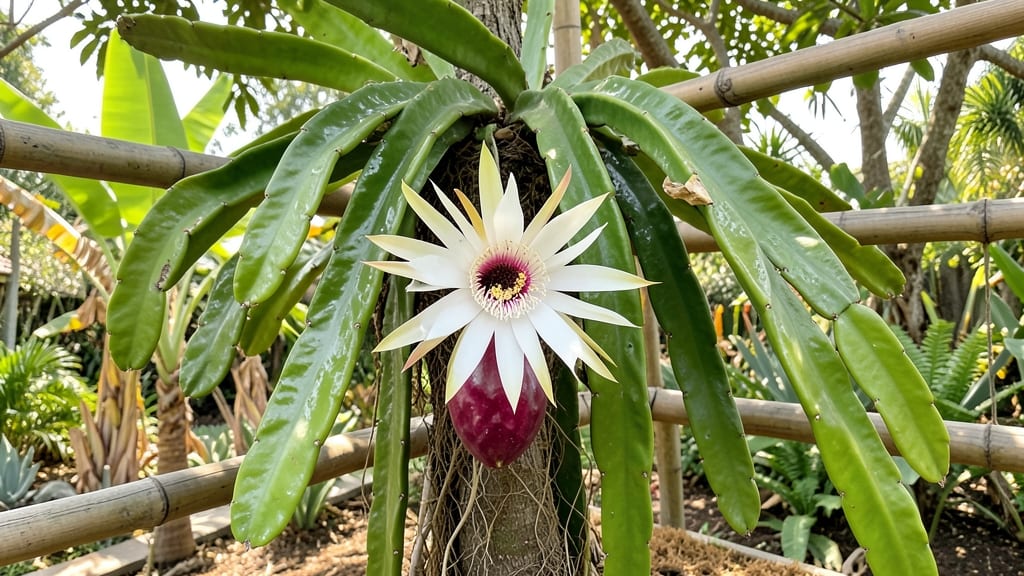
Growing purple fruit on cactus feels like having a desert oasis in your home. 🌵 The Peruvian Apple Cactus (Cereus repandus) produces stunning magenta fruits that taste like a mix of pear and apple—sweet, juicy, and completely edible.
I’ve grown mine for years, and once you see those vibrant clusters hanging from your plant, you’ll never want to stop. These cacti thrive in bright light but don’t need constant watering—just let the soil dry completely between drinks.
A well-draining mix with sand or perlite keeps roots happy, and a little fertilizer in spring encourages those showstopping blooms (and later, fruit). The key is patience: it takes about 2-3 years from seed to your first harvest, but the wait is worth it.
Imagine slicing into those glossy purple fruits, revealing sweet flesh inside. They’re not just pretty—they’re delicious, and the plant itself stays compact, making it perfect for containers. Even if you’ve killed plants before, this one’s forgiving.
Just give it light, space, and occasional care, and it’ll reward you with a harvest that turns heads. Works in zones 9-11, but you can grow it indoors near a sunny window if you live elsewhere. No fuss, just stunning results. Let’s get those fruits growing!
The Science Behind Colorful Cactus Fruit
When your cactus blooms into vibrant purple fruit, it’s not just a stunning visual—it’s a fascinating biological response to its environment. Understanding these triggers can help you replicate (or adjust) the conditions for future harvests. Here’s why your cactus might be producing those eye-catching purple fruits:
Cacti are masters of adapting to extreme conditions, and temperature swings play a direct role in fruit development.
Most cactus varieties (like the prized Pereskia or Hylocereus) require: - Daytime warmth (70–90°F / 21–32°C) to encourage flowering. - Cooler nights (50–60°F / 10–15°C) to trigger fruit set and color change. - Avoid freezing temps—below 32°F (0°C) can stunt growth or kill blooms.
Why it works: Temperature shifts signal the cactus to shift from vegetative growth to reproductive mode. The purple pigment (often anthocyanins) develops as a protective response to sunlight and stress, making the fruit more resistant to pests and UV damage.
Pro Tip: 🌡️ If your cactus isn’t fruiting, try moving it outdoors in spring/summer but bring it inside before nighttime temps drop too low.
Purple cactus fruit isn’t just pretty—it’s a sunlight survival tactic.
Here’s how light influences color: - Bright, direct sunlight (6+ hours/day) increases anthocyanin production, deepening the purple hue. - Partial shade may result in paler fruit or fewer blooms. - Too much scorching heat (above 100°F / 38°C) can bleach pigments or damage flowers.
The science: Anthocyanins act as natural sunscreen, protecting the fruit’s delicate tissues. Without enough light, the cactus prioritizes survival over vibrant fruit.
Actionable Fix: 🌞 If your cactus is in a shady spot, gradually introduce more sunlight (over 2–3 weeks) to avoid sunburn.
Cacti evolved in arid climates, so controlled watering is key to fruiting.
Here’s the sweet spot: - Drought stress (mild water scarcity) before flowering stimulates blooms. - Overwatering leads to lush growth but fewer flowers/fruit. - Deep, infrequent watering (soak the soil, then let it dry completely) mimics natural rainfall patterns.
Why it matters: Water stress signals the cactus to conserve energy and reproduce. Purple fruit often develops as a stress-response pigment, making the fruit more appealing to pollinators (and humans!).
Warning: ⚠️ Avoid letting the soil stay soggy—root rot will kill the plant before it fruits.
Believe it or not, what’s in your soil can turn your cactus fruit from pale to purple. Key factors:
- Low nitrogen (too much = leafy growth, no fruit).
- High phosphorus/potassium (encourages flowering).
- Magnesium or calcium deficiencies can cause poor pigmentation.
The chemistry: Purple hues thrive when the cactus isn’t overfed with nitrogen. Instead, a balanced 5-10-10 fertilizer (low N, high P/K) during blooming season promotes fruit development.
Quick Test: 🧪 If your fruit is more greenish-purple, amend soil with bone meal (for phosphorus) or kelp meal (for potassium).
Even if your cactus blooms, poor pollination can lead to small, underdeveloped (or no) fruit. Purple fruit relies on:
- Bees, bats, or birds (depending on the cactus type) to transfer pollen.
- Hand-pollination (if indoors or in areas with few pollinators).
How to help: 🐝 Use a soft paintbrush to gently transfer pollen from one flower to another on cloudy days or in greenhouses.
Not all cactus fruit turns purple—it’s often genetic. Species like:
- Hylocereus undatus (Dragon Fruit)
- Pereskia aculeata (Leafy Cactus)
- Opuntia ficus-indica (Prickly Pear)
are wired to produce purple pigments as part of their natural defense and pollinator attraction.
If yours isn’t fruiting purple yet, check if it’s a hybrid or a different variety—some may need cross-pollination with another cactus to trigger the trait.
Young cacti focus on growth, not reproduction. Purple fruit typically appears when the plant is:
- 3–5 years old (for most species).
- Well-established with a sturdy root system.
Signs it’s ready: 🌱 Look for multiple flower stalks emerging from the pads or stems—this means the cactus is mature enough to fruit.
Purple cactus fruit is a delicate balance of genetics, environment, and care. By tweaking light, temperature, water, and nutrients, you can encourage (or troubleshoot) this vibrant harvest. Next up: [How to Care for Purple Cactus Fruit After It Forms]—because the real magic happens after the bloom!
Fixing Purple Fruit Issues Fast
Got a cactus sporting unexpected purple fruit? Don’t panic—this vibrant twist is often fixable with a few simple tweaks. Below, we’ll break down the most common causes of purple-tinged fruit on cacti and match them with practical, fuss-free solutions.
Plus, we’ll share pro tips to keep your cactus thriving and your harvests colorful (but not too purple!).
Signs: Soft, mushy stems, yellowing pads, or fruit that’s shriveled or discolored (including purple hues from stress). Why it happens: Too much water drowns roots, starving the fruit of nutrients and causing abnormal pigment shifts.
How to Fix It: 🔥 Drainage First – Repot your cactus in a container with drainage holes (or add a layer of perlite/pumice to the soil mix). Avoid saucers that trap water. 🍳 Adjust Watering – Let the top 3–4 inches of soil dry out completely between waterings. In winter, cut back to once every 4–6 weeks. 👨🍳 Check Root Health – Gently remove the cactus, trim any black/mushy roots with sterilized scissors, and replant in fresh, well-draining cactus mix. ⏰ Recovery Time: 4–6 weeks. New fruit should develop normally once roots heal.
💡 Pro Tip: If your cactus is top-heavy, stake it to prevent tipping during repotting!
Signs: Fruit with uneven purple patches, sunburnt white/yellow spots, or pale, weak growth. Why it happens: Cacti need bright, indirect light (6+ hours/day). Too much direct sun causes stress; too little weakens fruit development.
How to Fix It: 🌡️ Find the Goldilocks Spot – Move your cactus to a south- or west-facing window (or under a sheer curtain if outdoors). Avoid harsh midday sun in hot climates. 🎯 Rotate Regularly – Turn the pot quarter-turn weekly so all sides get even light. ✨ Gradual Acclimation – If moving outdoors, harden off over 7–10 days by slowly increasing sun exposure.
💡 Pro Tip: Purple fruit from sun stress often fades to a healthier color once light conditions stabilize!
Signs: Fruit turning purple-blotchy, stunted growth, or wilting pads. Why it happens: Cacti hate cold drafts (below 50°F/10°C) or high humidity (above 50%), which disrupts nutrient uptake.
How to Fix It: 🏠 Keep It Cozy – Ideal temps: 65–85°F (18–30°C) during the day, 50–60°F (10–15°C) at night. Avoid AC vents or chilly windowsills. 🌧️ Control Humidity – Use a hygrometer to monitor levels. If too high, improve airflow with a small fan (on low) or reduce watering. 🔥 Insulate Outdoors – In winter, bring potted cacti inside or wrap pots in burlap to protect roots.
💡 Pro Tip: Purple fruit from cold stress may drop prematurely—harvest gently to avoid damage!
Signs: Small, purple-tinged fruit, slow growth, or yellowing pads. Why it happens: Too much fertilizer burns roots; too little starves the plant of phosphorus (key for fruit development).
How to Fix It: 📊 Fertilizer Reset – Switch to a balanced, diluted cactus fertilizer (half-strength, every 4–6 weeks in growing season). Avoid feeding in winter. 💪 Boost Phosphorus – Mix in a bone meal (1 tsp per gallon of soil) or use a high-phosphorus fertilizer (like 5-10-10) once. 🥗 Soil Refresh – Amend old soil with compost or worm castings (20% mix) for slow-release nutrients.
💡 Pro Tip: Purple fruit from over-fertilizing? Flush the soil with water to leach excess salts!
Signs: Sticky residue, tiny bugs, or fruit with moldy purple spots. Why it happens: Mealybugs, scale, or fungal infections (like powdery mildew) sap energy, causing abnormal coloring.
How to Fix It: 🔪 Spot Treatment – Wipe pests off with a soapy water spray (1 tsp mild soap per quart of water). Repeat weekly until gone. 🌿 Natural Repellents – Spritz with neem oil (1 tsp oil + 1 quart water) or introduce ladybugs for organic control. 🏥 Prevent Fungal Spread – Remove infected fruit immediately. Improve airflow to dry the plant faster.
💡 Pro Tip: Isolate affected cacti until pests/disease clear to avoid spreading!
Want to skip the purple surprises?
Follow these zero-fuss habits: ✅ Soil: Use 50% cactus mix + 50% perlite/pumice for maximum drainage. ✅ Water: Less is more—stick to the "soak-and-dry" method. ✅ Light: Bright but indirect—think "sunbathing, not sunburning." ✅ Monitor: Check undersides of pads weekly for pests. ✅ Fertilize: Lightly, seasonally—no winter feedings!
Final Thought: Purple fruit on cacti is usually a fixable quirk, not a dealbreaker. With these tweaks, your next harvest will be bold, healthy, and the perfect shade of… well, whatever you prefer! 😉
Frequently asked questions
Which cactus varieties actually produce purple fruit?
The most common purple-fruiting cacti include Hylocereus undatus (Dragon Fruit), Pereskia aculeata (Leafy Cactus), and Opuntia ficus-indica (Prickly Pear). The Peruvian Apple Cactus (Cereus repandus) also yields stunning magenta fruits that taste like a mix of pear and apple. For true purple hues, look for anthocyanin-rich varieties like Selenicereus species.
How long does it take for a cactus to produce purple fruit?
Most cactus varieties need 3–5 years from seed to first fruit, though established plants may bloom sooner with proper care. Dragon Fruit cacti can produce fruit in 2 years if grown from cuttings, while Peruvian Apple Cacti may take 5+ years. Patience is key—focus on strong growth first by ensuring 6+ hours of sunlight daily and well-draining soil.
Can I grow purple-fruiting cacti indoors?
Yes! Place your cactus near a south- or west-facing window for 6+ hours of bright light daily. If natural light is limited, supplement with a grow light (12–14 hours/day). Use a 50/50 cactus mix and perlite combo, and avoid overwatering—let soil dry completely between waterings. Compact varieties like Pereskia work well in containers.
Why is my cactus fruit turning purple but staying small?
Small purple fruit often signals nutrient deficiencies (especially phosphorus) or overwatering. Try fertilizing with a 5-10-10 blend (low nitrogen) during blooming season, and adjust watering to deep soaks every 2–3 weeks. Ensure 65–85°F (18–30°C) daytime temps and 50–60°F (10–15°C) nights to encourage proper fruit development.
Are purple cactus fruits edible, and how do I harvest them?
Most purple cactus fruits are 100% edible—Dragon Fruit, Prickly Pear, and Peruvian Apple Cactus are all delicious! Harvest when fully colored and slightly soft to the touch. Wear gloves (some have tiny spines), twist gently, and cut the stem. Store in the fridge for 5–7 days. Remove seeds and peel if needed—Dragon Fruit flesh is juicy and sweet, while Prickly Pear tastes like a mix of kiwi and pear.