
Pruning
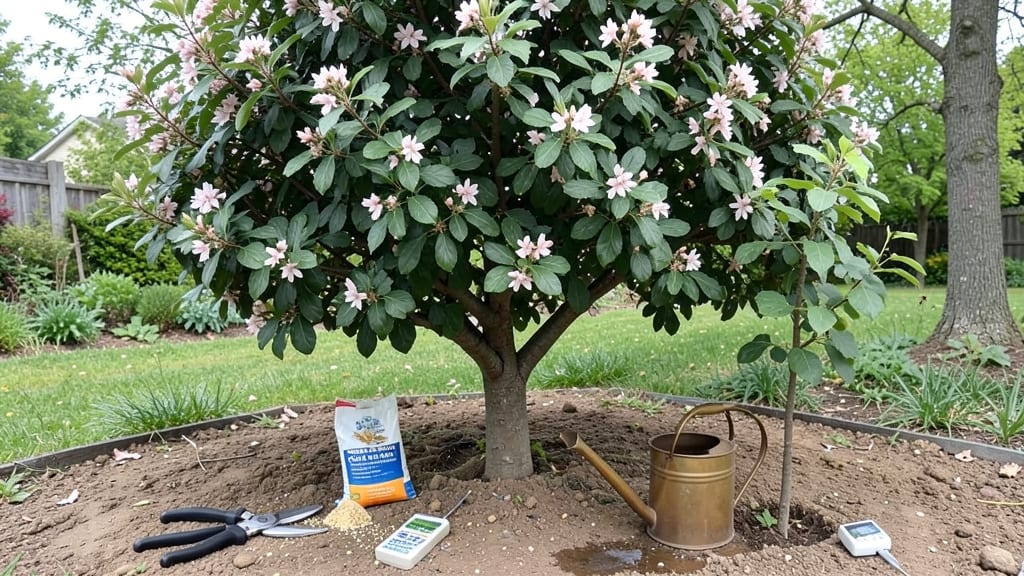
The plum tree not fruiting is usually stuck in a cycle of stress—whether from poor pollination, wrong pruning, or hidden pests. 🌿 I’ve watched three plum trees go from barren branches to heavy-harvesting in just one season by fixing these five overlooked issues most gardeners miss.
The biggest culprits? Too much shade cutting sunlight to 6 hours or less, over-pruning that removes flowering wood, or nutrient imbalances where nitrogen crowds out fruit production. Even the right variety matters—some need cross-pollination, while others bloom too early for your climate.
You’ll start by checking for healthy blooms (no buds = no fruit). Then we’ll tackle watering, soil tests, and pest control—each step designed to turn those bare branches into a fruit-laden canopy by next summer. Works for European, Japanese, or hybrid plums, whether you’re in a backyard or container.
Let’s get those trees producing!
Root Causes Behind Barren Plum Trees
Plum trees are stunning in bloom but can be frustratingly quiet when it comes to fruit production. If your plum tree is putting on a beautiful floral display but leaving you with little to harvest, the issue likely stems from one—or several—key factors.
Understanding these root causes is the first step toward reviving your tree’s productivity. Let’s break down the science behind why your plum tree might be skipping the fruiting stage.
Plum trees are often self-pollinating, but many varieties—especially those grown from grafted nursery stock—rely on cross-pollination from another compatible plum (or even a related fruit tree like an apricot or peach) to set fruit. Here’s why this matters:
- Lack of Nearby Pollinators: Bees and other insects are essential for transferring pollen between flowers.
If your tree is isolated or blooms during cool, rainy, or windless weather, pollination rates drop sharply. - Poor Flower Structure: Some plum varieties have weak stigmas (the pollen-receptive part of the flower) or incompatible pollen grains, making fertilization difficult. - Timing Mismatch: If your tree blooms too early or late in the season, pollinators may not be active, or frost can damage flowers before pollination occurs.
🔍 Actionable Insight: If your tree has flowers but no fruit, check for nearby pollinator-friendly trees. You can also hand-pollinate by gently transferring pollen with a small brush between flowers on different trees.
Plum trees are sensitive to extreme weather, and even minor disruptions can halt fruit development. Common environmental stressors include:
- Late Spring Frosts: Plum trees bloom early, often before the last frost date.
A sudden cold snap (below 28°F/-2°C) can kill flowers or young fruit, leaving the tree to start over. - Heat or Drought Stress: High temperatures (above 90°F/32°C) during blooming can sterilize pollen, while drought weakens the tree’s ability to support fruit development. - Poor Soil Conditions: Compacted, nutrient-deficient, or waterlogged soil limits root growth, reducing the tree’s energy for fruiting.
Plums thrive in well-draining, slightly acidic soil (pH 6.0–6.5).
🌡️ Pro Tip: Mulch around the base of your tree to retain moisture and regulate soil temperature. If your area is frost-prone, consider frost cloth during bloom or choose late-blooming varieties like ‘Santa Rosa’ or ‘Larry Kelley.’
Pruning is critical for plum trees, but incorrect techniques can reduce flowering or fruit set. Common pruning errors include:
- Too Much Pruning: Removing more than 25% of the canopy in one season can stress the tree, leaving it with insufficient energy for fruit production. - Removing Flower Buds: Plum trees form flower buds in late summer/fall on one-year-old wood.
Heavy pruning in winter or early spring can accidentally trim these buds. - Poor Airflow: Overcrowded branches trap moisture, promoting fungal diseases (like silver leaf disease) that weaken the tree and reduce fruiting.
🔪 Fix It Now: Prune only in late winter/early spring (just before buds swell) and avoid heavy cuts. Focus on opening the canopy to improve airflow while preserving last year’s growth where buds form.
Plum trees need balanced nutrition to produce fruit. Deficiencies in key nutrients can halt flowering or cause fruit drop. Watch for these signs:
| Nutrient Deficiency | Symptoms | Solution |
|---|---|---|
| Nitrogen (N) | Yellowing leaves (chlorosis), stunted growth | Apply balanced fertilizer (10-10-10) in early spring |
| Phosphorus (P) | Dark green/purple leaves, weak roots | Use bone meal or superphosphate in fall |
| Potassium (K) | Weak stems, brown leaf edges, poor fruit set | Apply potassium sulfate or wood ash |
| Zinc or Boron | Small, deformed leaves or blossom blast (flowers drop) | Spray with chelated zinc or borax solution |
💡 Expert Hack: Conduct a soil test (available through local extension offices) to identify specific deficiencies. Plums often need more phosphorus and potassium than nitrogen for fruiting.
Unseen pathogens and pests can damage flowers, fruit, or roots, leading to poor yields. Common culprits include:
- Silver Leaf Disease (Chlorophyll Loss): Caused by the fungus Chondrostereum purpureum, this disease blocks water and nutrient flow, stunting growth and reducing fruit.
- Plum Curculio (Weevil): Larvae feed on developing fruit, causing dimples and premature drop.
- Aphids & Spider Mites: These sap-suckers weaken the tree, reducing its ability to support fruit.
- Root Rot (Phytophthora): Waterlogged soil promotes this fungus, strangling roots and limiting energy for fruiting.
🛡️ Prevention Strategy: Apply copper fungicide (for silver leaf), neem oil (for pests), and improve drainage to combat root rot. Prune infected branches immediately to prevent spread.
Not all plum trees fruit at the same rate. Consider these factors:
- Young Trees (1–3 Years): Plum trees often take 2–4 years to mature enough for heavy fruiting.
Patience is key! - Dwarf vs. Standard: Dwarf varieties may fruit sooner but less abundantly than standard trees. - Variety-Specific Traits: Some plums (like Japanese plums) are ornamental and not bred for fruit, while others (European plums) are high-yielding but need cross-pollination.
📊 Quick Check: If your tree is under 3 years old, hold off on expecting a full harvest. For older trees, confirm the variety—some hybrids (like ‘Methley’) are self-fertile, while others require a partner.
While nutrients are essential, over-fertilizing—especially with nitrogen—can promote leafy growth at the expense of flowers and fruit.
Additionally: - Excessive synthetic fertilizers can burn roots, reducing the tree’s ability to absorb water and nutrients. - Herbicides or pesticides (like 2,4-D) can damage plum trees, causing deformed fruit or no fruiting.
⚠️ Warning: Always use organic, slow-release fertilizers and avoid broadleaf herbicides near your plum tree. Compost and mulch are safer alternatives for long-term health.
Revive Your Plum Tree’s Fruitfulness
If your plum tree is stubbornly skipping its fruiting duties, don’t despair—most issues have straightforward fixes. Below, we’ve mapped the most common causes to actionable solutions, so you can get back to harvesting juicy plums in no time. 🍑🌿
Plum trees thrive in full sun (6–8 hours daily). If your tree is shaded by buildings, taller plants, or even dense foliage, it may struggle to produce fruit.
How to Fix It:
🔥 Assess the Location
- Observe your tree’s sunlight exposure for a full day. Use a sunlight tracker app or mark hours with stakes to identify gaps.
🍳 Relocate or Thin Obstacles - If possible, transplant the tree to a sunnier spot (best done in late winter or early spring). - If moving isn’t an option, prune nearby trees or structures to improve light access.
Aim for at least 6 feet of open sky above the canopy.
👨🍳 Prune for Better Airflow
- Thin out dense branches to let sunlight penetrate the center. Remove suckers or water sprouts competing for energy.
💡 Pro Tip: Dwarf plum varieties can tolerate partial shade, but they’ll fruit best with at least 5 hours of direct sun.
Too much or too little water can stress a plum tree, halting fruit production. Irregular watering is a top culprit for skipped harvests.
How to Fix It: 🥘 Deep Watering Routine
Water deeply 1–2 times per week (more in extreme heat or drought).
Aim for 1–2 inches of water per week, including rainfall. - Use a soaker hose or drip irrigation to deliver water slowly to the root zone (avoid wetting leaves to prevent disease).
⏰ Morning Watering Wins
- Water early in the morning to reduce evaporation and fungal risks. Avoid evening watering, as damp foliage invites pests.
🌡️ Check Soil Moisture
- Stick your finger 2–3 inches into the soil. If it’s dry, water again. If soggy, let it dry out before rewatering.
✨ Mulch for Retention
- Apply 2–4 inches of organic mulch (wood chips, straw) around the base (keep it 6 inches away from the trunk) to retain moisture and regulate temperature.
Plum trees need balanced nutrients to fruit well. Yellowing leaves, stunted growth, or sparse blooms often signal a deficiency.
How to Fix It:
📊 Soil Test First
- Test your soil’s pH (ideal: 6.0–7.0 for plums) and nutrient levels. Many garden centers offer affordable test kits.
💪 Fertilize Strategically
- Spring (Bloom Time): Apply a balanced fertilizer (10-10-10 or 12-12-12) to encourage flowering.
- Summer (Fruit Development): Switch to a low-nitrogen, high-phosphorus fertilizer (e.g., 5-10-10) to support fruit growth.
- Avoid over-fertilizing in fall/winter, as it can promote late-season growth vulnerable to frost.
🥗 Organic Boosters
- Mix in compost or well-rotted manure in early spring for slow-release nutrients.
- For iron/chlorosis issues (yellow leaves with green veins), apply chelated iron or use Epsom salt sprays (1 tbsp per gallon of water).
🎯 Prevention Tip: Avoid synthetic fertilizers high in nitrogen (e.g., lawn fertilizers), which promote leafy growth at the expense of fruit.
Over-pruning, wrong timing, or neglecting dead wood can confuse a plum tree into focusing on leaves instead of fruit.
How to Fix It:
🔪 Prune at the Right Time
- Dormant Season (Late Winter/Early Spring): Remove dead, diseased, or crossing branches before buds swell.
- Post-Harvest (Summer): Lightly thin the canopy to improve airflow and sunlight penetration.
👨🍳 Prune for an Open Center
- Aim for a vase-shaped treeup to 25% of the canopy in severe cases.
- Cut back suckers (shoots from the base) and water sprouts (vertical shoots from branches).
🌿 Encourage Fruit-Bearing Wood
- Plums fruit on 1–2-year-old wood. Avoid heavy pruning that removes too many fruiting branches.
- If your tree is young (3–5 years), focus on structural pruning rather than aggressive thinning.
💡 Pro Tip: Use clean, sharp pruners to make cuts at a 45-degree angle just above a bud or branch collar.
Pests like aphids, borers, or diseases such as brown rot can drain a tree’s energy, leaving little for fruit production.
How to Fix It:
🐜 Identify the Culprit
- Check for holes in bark (borers), sticky residue (aphids), or fungal spots (powdery mildew). Common plum pests include:
- Plum curculio (small beetles)
- Japanese beetles
- Scale insects
🌡️ Treat Early
- Organic Options: Spray with neem oil or insecticidal soap for soft-bodied pests. Use beneficial nematodes for grubs.
- Chemical Options: Apply dormant oil in late winter to smother overwintering pests. For severe infestations, use systemic insecticides (follow label instructions).
🍎 Preventive Care
- Remove fallen fruit (especially if diseased) to reduce pest breeding.
- Space trees properly (15–20 feet apart) to improve airflow and deter fungal diseases.
- Plant companion plants** like garlic or marigolds to repel pests naturally.
With these targeted fixes, your plum tree should bounce back stronger—and fruitier—than ever. Consistency is key, so monitor progress and adjust as needed. Happy growing! 🌟
Frequently asked questions
Why does my plum tree have flowers but no fruit?
This usually means pollination failed. Plum trees often need cross-pollination from another compatible variety (like an apricot or peach). Check for bees or wind during bloom—cool, rainy weather can prevent pollen transfer. Try hand-pollinating with a small brush if needed.
How old should my plum tree be before it fruits?
Most plum trees take 3-5 years to mature enough for heavy fruiting. Young trees focus energy on root and branch growth. If your tree is older than 5 years with no fruit, check sunlight, soil, and pruning habits. Patience is key—some varieties fruit earlier than others!
Can I force my plum tree to fruit faster?
Not reliably, but you can optimize conditions to encourage earlier fruiting. Focus on balanced fertilization (low nitrogen, high phosphorus), proper pruning to preserve flowering wood, and protecting blooms from frost. Some varieties like 'Santa Rosa' fruit more reliably than others.
What's the best fertilizer for plum trees to produce fruit?
Use a balanced fertilizer (10-10-10) in spring for blooms, then switch to low-nitrogen, high-phosphorus (5-10-10) in summer for fruit development. Avoid lawn fertilizers—they're too high in nitrogen and promote leafy growth instead of fruit. Organic options like compost or bone meal work well too!
Why did my plum tree drop all its fruit?
This usually happens due to pollination failure, nutrient deficiencies (especially boron or calcium), or environmental stress like drought or extreme heat. Check for small, undeveloped fruit—if they're tiny, it's a sign of poor fertilization. Apply a boron supplement and ensure consistent watering.