
Propagation
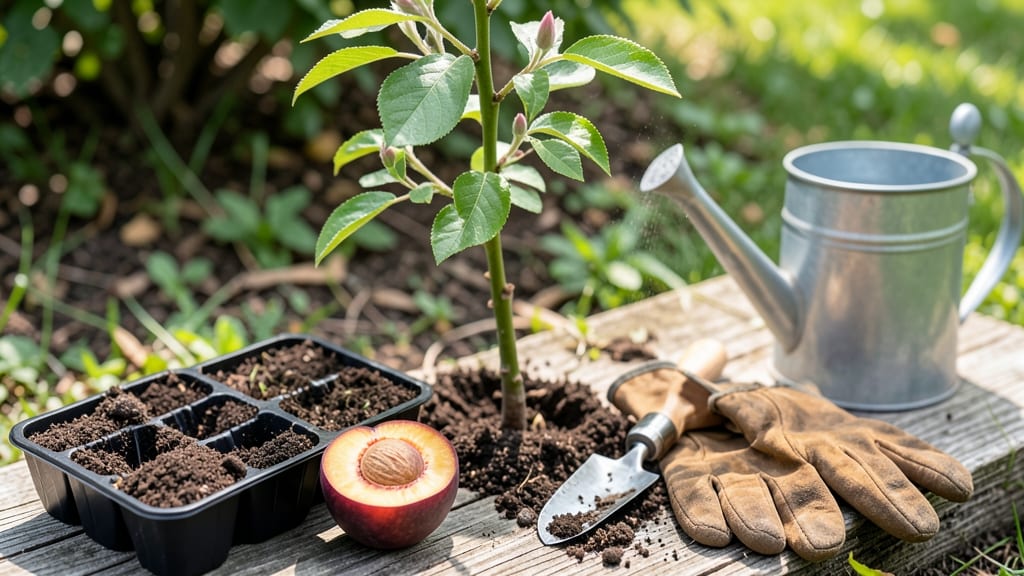
Planting peach seeds from fruit is how I accidentally grew my first peach tree—though it took patience and a little science. 🌱 The key to reliable sprouting isn’t just planting; it’s cold-stratifying those seeds to mimic winter’s natural process, which tricks them into breaking dormancy when spring arrives.
Here’s the thing—most peach seeds won’t grow true to the parent fruit. That juicy summer peach you love? Its seed might sprout into a tree with bitter, tiny fruit—or none at all.
But the journey itself is rewarding, especially when you see those first pale green leaves push through the soil after 3-6 months of waiting.
You’ll need a few simple supplies: a sharp knife to crack open the pit, a damp paper towel for moisture, and a refrigerator to handle the cold stratification.
The process takes about 6-8 weeks, but it’s worth it for the thrill of watching a seedling emerge that could one day grow into a tree.
Once sprouted, your seedling will need full sun, well-draining soil, and consistent watering—think of it as raising a tiny, delicate plant that’ll eventually need space to stretch its branches. And when it’s old enough, you’ll need to harden it off before moving it outside for good.
📚 In This Guide
- What you need
- Instructions
- Tips and common mistakes
- Wrapping up and next steps
What you need
- ● Fresh peach pit: 1–2 clean, plump pits from ripe, organic peaches (avoid store-bought if treated with fungicides).
- ● Paper towels or damp cloth: 1–2 sheets (for cold stratification).
- ● Plastic bag or airtight container: 1 (to hold moisture).
- ● Refrigerator: A standard fridge (34–40°F / 1–4°C) for stratification.
- ● Potting mix: 1 bag of well-draining seed-starting mix (or 50% perlite/50% coco coir).
- ● Small pots or seed trays: 2–3 (3–4" diameter) with drainage holes.
- ● Spray bottle: 1 (for gentle watering).
- ● Grow lights or sunny windowsill: A spot with 6+ hours of light daily.
- ● Fungicide: 1 bottle (like hydrogen peroxide 3%) to soak pits and prevent rot.
- ● Heat mat: 1 (to speed up germination if your home is chilly).
- ● Humidity dome: 1 (to retain moisture while sprouting).
- ● pH meter: 1 (ideal soil pH: 6.0–6.5 for peaches).
- ● Label markers: 2–3 (to track planting dates!).
Step-by-step instructions for planting peach seeds from fruit
Here's how to break dormancy and coax those stubborn peach pits into seedlings—without the guesswork.
🌱 Step 1: Extract and Clean the Seeds
Start with fresh, ripe peaches—older fruit yields lower germination rates. Cut the fruit open and remove the large, flat seed (the pit) inside. Rinse the seed thoroughly under running water to remove any remaining fruit flesh, which can attract mold. Use a sharp knife to carefully slice the pit lengthwise, exposing the seed inside. You'll see a small, wrinkled seed nestled in the center—this is what you'll plant.
Real talk: Don't rush this step. Any leftover fruit residue will ferment and create an anaerobic environment that kills seeds. I like to scrub the halves under water with my fingers to ensure no bits remain. Once clean, let the seed halves air-dry completely for 24 hours before proceeding. This prevents rot during the cold stratification process.
🧊 Step 2: Cold-Stratify the Seeds for Dormancy Break
Peach seeds require 90-120 days of cold stratification to mimic winter conditions and break dormancy. Place the cleaned seed halves in a sealed plastic bag with a damp paper towel—just enough moisture to keep the towel damp, not soaking. Store the bag in your refrigerator's crisp drawer (around 35-40°F), where it stays consistently cold and humid.
Check the seeds every 2-3 weeks to ensure the paper towel remains damp. If it dries out, mist it lightly with water and reseal the bag. This is the moment that matters: Without proper stratification, your seeds may sit in the soil for months without sprouting. I mark the bag with the date to track progress—this helps avoid forgetting them in the back of the fridge.
☀️ Step 3: Plant Stratified Seeds in Moist Potting Mix
After stratification, fill a small pot (4-6 inches deep) with sterile seed-starting mix—not garden soil, which can introduce pathogens. Plant each seed 1 inch deep, pressing the seed halves lightly into the soil so they stand upright. Water gently until the soil is moist but not soggy. Place the pot in a warm location (70-75°F) with indirect light, like a sunny windowsill away from direct afternoon sun.
Here's the thing—peach seeds germinate slowly, often taking 2-4 weeks to sprout. Keep the soil consistently moist (but not waterlogged) by checking the top inch daily. Overwatering now will cause the seeds to rot before they germinate. I use a spray bottle for precision, misting the soil surface until water runs out the drainage hole.
🌿 Step 4: Transplant Seedlings to Larger Containers
Once seedlings emerge, they'll grow 2-3 inches tall before developing their first true leaves. At this stage, transplant them to individual 6-inch pots filled with fresh potting mix. Handle the seedlings carefully—they're delicate and prone to breakage. Bury them to the same depth they were growing before to avoid shocking the roots.
Place the pots under bright, indirect light for the first week to help them recover. After 10-14 days, gradually introduce them to direct sunlight for 2-3 hours daily, increasing exposure over time. This hardening process prevents leaf scorch and ensures strong growth. You'll see new leaves emerge within a week—that's your signal everything is working.
⏰ Step 5: Overwinter Seedlings for Fruit Production
Peach trees take 3-5 years to bear fruit, so patience is key. Overwinter seedlings indoors near a south-facing window or under grow lights (12-14 hours daily). Reduce watering slightly in winter, allowing the top 1-2 inches of soil to dry out between waterings. In late spring, move them outdoors to a protected, sunny spot for 2-3 weeks before full transplantation.
Don't skip this step. Young peach trees need time to establish strong roots before facing harsh winters. I've seen seedlings that skipped overwintering struggle with weak growth and poor fruiting later on. Choose a permanent outdoor location with full sun (6+ hours daily) and well-draining soil before planting them in the ground for good.
Tips & tricks for perfect peach seed germination
These proven strategies will help you maximize your peach seed success rate and avoid common pitfalls that derail even the most eager gardeners.
Seed Selection: Not all peach pits are created equal. Choose pits from organic, locally grown peaches when possible—they tend to have higher germination rates. Avoid pits from store-bought peaches that may have been treated with fungicides. I've found that freestone varieties (like Elberta or Redhaven) germinate more reliably than clingstone types. If you're working with multiple pits, label each with the peach variety to track which ones perform best.
Stratification Environment: The refrigerator's crisp drawer provides ideal conditions at 35-40°F, but if you notice condensation forming inside the bag, move it to a slightly warmer part of the fridge (around 40°F) to prevent mold. For visual tracking, I place a small piece of tape with the start date on the outside of the bag—this helps me remember when to check progress. If you're short on fridge space, a seed stratification fridge or even a DIY setup with a cooler and ice packs can work, though temperature consistency is critical.
Planting Depth Technique: When planting your 1-inch deep seeds in Step 3, press the seed halves firmly but gently into the soil to ensure good contact with the moist potting mix. This prevents air pockets that can delay or prevent germination. I like to use a small wooden skewer to create a hole slightly larger than the seed before dropping it in—this makes placement more precise. After planting, give the pot a gentle tap on the counter to settle the soil around the seeds without disturbing their position.
Germination Timing: The 2-4 week germination window can feel like an eternity, but patience pays off. To speed up the process slightly, you can place the planted pot in a clear plastic bag and seal it loosely to create a mini greenhouse effect—just make sure to remove it daily for 10-15 minutes to prevent mold growth. Once you see the first signs of sprouting (a tiny white root or green shoot), remove the bag immediately to avoid damping-off disease. This is where most beginners lose their seedlings.
Pro Tips for Planting Peach Seeds From Fruit
- These proven strategies will help you maximize your peach seed success rate and avoid common pitfalls that derail even the most eager gardeners.
- Seed Selection: Not all peach pits are created equal.
- For visual tracking, I place a small piece of tape with the start date on the outside of the bag—this helps me remember when to check progress.
Frequently asked questions
Got questions about growing peaches from seed? You’re not alone—this method takes patience and know-how! Here are answers to the most common queries to help you succeed.
How long does it take for peach seeds to sprout after cold stratification?
After completing 60–90 days of cold stratification, most peach seeds will sprout within 2–4 weeks once planted in warm, moist soil. Some varieties may take longer—up to 8–12 weeks—so stay patient! Keep the soil consistently damp (not soggy) and place the pot in bright, indirect light until germination.
Can I skip cold stratification and plant peach seeds right away?
No—cold stratification is critical for breaking dormancy. Without it, seeds may rot or take years to sprout (if ever). If you’re in a hurry, try soaking seeds in warm water for 24 hours before stratification to speed up the process, but don’t skip the cold treatment entirely.
Will the peach tree grown from seed taste like the parent fruit?
Probably not! Seed-grown peach trees are unpredictable—they may produce fruit, but it could differ in flavor, size, or even ripening time. For consistent results, graft a known variety onto the seedling later. If you’re experimenting for fun, enjoy the adventure, but don’t expect a perfect replica of your favorite peach.
What’s the best soil mix for germinating peach seeds?
Use a light, well-draining mix like:
- 50% peat moss or coco coir (for moisture retention)
- 30% perlite or vermiculite (for aeration)
- 20% sand or compost (for nutrients)
My peach seed turned moldy—what went wrong?
Mold usually means too much moisture or poor airflow. Check these fixes:
Peach trees from seed can grow 15–25 feet tall (or taller!) if given ideal conditions. However, they may take 5–7 years to bear fruit (vs. 2–3 years for grafted trees). Prune young seedlings to encourage a strong, bushy structure and train them on a stake for support as they grow.
How tall will a peach tree grown from seed get?
Wrapping up and next steps
Growing peach trees from seed is a rewarding journey that blends patience with the joy of nurturing life from something as simple as a pit! While success isn’t guaranteed—thanks to the cold-stratification quirks of peach seeds—your efforts could yield a thriving tree with delicious fruit in just a few years.
Start small, stay consistent, and don’t forget to celebrate the little wins, like that first sprout breaking through the soil!
Ready to take the next step? Once your seedlings are strong enough, transplant them into pots or directly into the ground (if your climate allows). Keep an eye on their progress, and who knows—you might just grow the peach tree of your dreams! 🌱✨