
Propagation
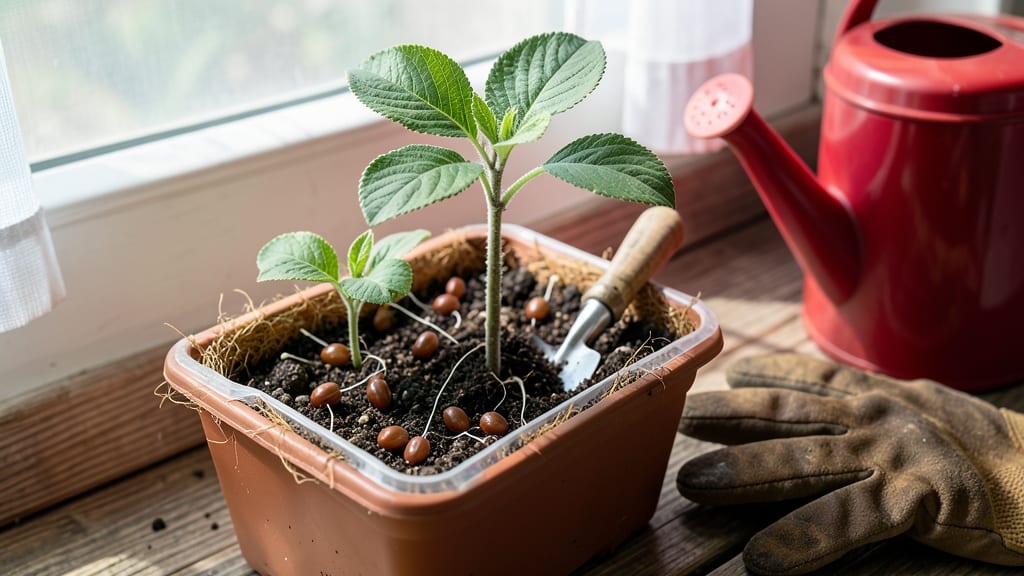
Planting apple seeds from fruit is how I fell in love with the slow magic of gardening—there’s nothing like watching a tiny seed become a tree with roots in your own soil. 🌱 The process starts with a simple kitchen task: extracting seeds from your favorite apple, but the real reward comes years later when you get to taste fruit from a tree you grew yourself.
It’s not about growing a commercial orchard; it’s about the journey of watching nature unfold in your backyard.
You’ll need just a few things: a ripe apple (the sweeter, the better), a bowl of water, some damp paper towels, and a small pot filled with well-draining soil. The seeds take 4-6 weeks to sprout, so patience is key—this isn’t a quick project, but the payoff is worth it.
Most importantly, don’t expect the tree to bear fruit identical to the parent apple; genetic variability means surprises, which is half the fun.
By the time your seedling reaches 12-18 inches tall, it’ll be ready to transplant into the ground, where it’ll grow into a full-sized tree over 5-10 years.
The branches will spread wide, the leaves will turn golden in autumn, and—if you’re lucky—you might even get a few apples, though they’ll likely be small and tart. The real treasure isn’t the fruit; it’s the story of the tree you nurtured from a single seed.
This method works best in zones 4-8, where apple trees thrive, but even in cooler climates, the process is the same. If you live in a warmer area, just choose disease-resistant varieties.
Whether you’re a beginner or a seasoned gardener, this project is a reminder that great things take time—and sometimes, the best rewards are the ones you grow yourself.
📚 In This Guide
- What you need
- Instructions
- Tips and common mistakes
- Wrapping up and next steps
What you need
- ● Fresh apple seeds: Extract 3–5 seeds from a ripe, organic apple (avoid store-bought seeds treated with chemicals).
- ● Small pots or seed trays: 3–4 3–4 inch diameter pots with drainage holes (or a tray with individual cells).
- ● Well-draining potting mix: A blend of peat moss, perlite, and compost (or a seed-starting mix). Avoid garden soil—it’s too dense!
- ● Plastic wrap or humidity dome: To create a mini greenhouse effect and retain moisture.
- ● Spray bottle: For gentle watering (no drenching!).
- ● Label markers & tags: To track seed varieties (especially if testing multiple apples!).
- ● Sunlight or grow lights: A south-facing window or a 12–16 hour daily light source (grow lights work best).
- ● Patience (and a notebook!): Seedlings take 6–12 months to sprout and years to bear fruit.
- ● Seed stratification kit: If your climate is warm, a refrigerator (34–41°F for 4–8 weeks) can mimic winter and boost germination.
- ● Fungicide spray: A natural option like neem oil to prevent mold if humidity runs high.
- ● Transplanting tools: Small trowel, gloves, and a 5-gallon pot for when seedlings outgrow their starter home.
- ● Apple variety guide: Research your apple’s parent tree—some (like Granny Smith) grow true to seed, while others (like Honeycrisp) may surprise you!
Step-by-Step instructions for planting apple seeds from fruit
Turn that grocery-store apple into a tree with these simple, time-tested steps.
🌱 Step 1: Extract and Prepare the Seeds
Cut the apple in half and scoop out the seeds, being careful not to damage them. Apple seeds contain a chemical called amygdalin that can be toxic if ingested raw—never eat them. Rinse the seeds thoroughly under cool water to remove any fruit residue, then pat them dry with a paper towel.
Place the seeds in a small container and cover them with a damp paper towel. Fold the towel over the seeds to keep them moist but not soggy. Store the container in a warm, dark place like a cupboard or pantry. Check the seeds every few days and mist with water if the towel feels dry to the touch. This pre-sprouting step encourages faster germination once you plant them.
💧 Step 2: Stratify the Seeds for Faster Germination
Apple seeds require a period of cold treatment called stratification to break their dormancy. Place the damp paper towel with seeds in a sealed plastic bag and refrigerate it for 6-8 weeks. This mimics winter conditions and signals the seed that spring has arrived. Keep the bag in the crisper drawer of your fridge, where temperatures stay consistently around 35-40°F.
After 6-8 weeks, remove the seeds from the fridge and check for signs of sprouting. You’ll see tiny white roots emerging first—this is your cue that the seeds are ready for planting. If no roots appear, give them another 2-4 weeks of cold treatment. Patience here ensures stronger seedlings later.
☀️ Step 3: Plant the Sprouted Seeds
Fill small pots or seed trays with sterile potting mix, leaving about 1 inch of space at the top. Make a small hole—roughly ½ inch deep—with your finger or a pencil. Gently place one sprouted seed in each hole, covering it lightly with soil. Press down gently to ensure good contact with the mix, but don’t compact it too tightly.
Water the pots lightly until the soil is evenly moist, but avoid soaking it. Place the pots in a warm, sunny spot where they’ll receive indirect light for the first week. Direct sunlight can scorch the delicate seedlings, so a windowsill with sheer curtains works well. Keep the soil consistently moist—not soggy, not dry—by misting it every few days or using a spray bottle.
🌿 Step 4: Transplant and Care for Seedlings
Once the seedlings develop 2-3 sets of true leaves (not the initial seed leaves), they’re ready to move into slightly larger pots. Choose containers that are 3-4 inches deep to give the roots room to grow. Transplant carefully, using a small spoon or your fingers to lift the seedlings and place them in their new pots without disturbing the roots.
After transplanting, water the seedlings thoroughly and place them in a spot with full sun (at least 6-8 hours daily). Apple seedlings need plenty of light to grow strong and avoid becoming leggy. Fertilize lightly with a balanced, water-soluble fertilizer (like 10-10-10) diluted to half strength every 4-6 weeks once the seedlings are established. Avoid over-fertilizing—young trees are sensitive to excess salts.
⏰ Step 5: Prepare for Outdoor Planting
When the seedlings are 1-2 feet tall and the weather has warmed to above 50°F at night, they’re ready for their first taste of outdoor life. Harden them off by placing them outside in a sheltered spot for 1-2 hours the first day, gradually increasing their time outdoors over 10-14 days. This slow transition helps them adjust to wind, sun, and temperature fluctuations.
Choose a permanent outdoor spot with full sun and well-draining soil. Dig a hole twice as wide as the root ball but no deeper. Gently remove the seedling from its pot, loosen the roots if they’re circling, and place it in the hole. Backfill with soil, water deeply, and add a 2-inch layer of mulch around the base to retain moisture and protect the roots. Apple trees take years to bear fruit, but with patience, you’ll have a thriving tree of your own!
Tips & tricks for planting apple seeds
Growing an apple tree from a grocery-store seed takes time, but these small adjustments make all the difference between success and disappointment.
Pre-Sprouting Secret: In Step 1, the damp paper towel trick works best when you use two layers—one to hold moisture and one to wick excess away. Fold the second layer loosely over the first to create a breathable barrier. This prevents mold while keeping seeds consistently moist. I’ve seen seeds sprout in as little as 5 days with this method, though 7-10 days is more common. The key is checking every 3 days and adjusting moisture—never let them sit in standing water.
Stratification Shortcut: The 6-8 week cold treatment can feel like forever, but you can speed things up slightly by using a mix of fridge and freezer. Place your sealed bag of seeds in the fridge for 4 weeks, then transfer to the freezer (not the fridge freezer—use the deep freezer) for 2 weeks at 0°F. This mimics natural winter conditions more intensely. Just monitor for sprouting every 5 days after returning to fridge temps—you’ll see those first white roots sooner than expected.
Lighting Strategy: When planting in Step 3, position your pots near a south-facing window if possible, but avoid direct sun for the first week. I use a simple DIY grow light setup—a 60-watt bulb on a lamp with a shade—if my windows aren’t bright enough. The seedlings need indirect light to prevent scorching, but they’ll stretch toward any light source if they don’t get enough. Rotate pots daily so all sides get equal exposure, which prevents lopsided growth.
Transplanting Wisdom: In Step 4, the 2-3 sets of true leaves rule is your green light to transplant, but don’t rush—wait until you see the third set fully unfurl. I’ve made the mistake of moving seedlings too soon, and they always seem to take a week to recover. When repotting, use your finger to gently loosen the root ball before placing it in the new container. This encourages roots to spread outward rather than circling, which can strangle growth later.
Pro Tips for Planting Apple Seeds From Fruit
- Growing an apple tree from a grocery-store seed takes time, but these small adjustments make all the difference between success and disappointment.
- Pre-Sprouting Secret: In Step 1, the damp paper towel trick works best when you use two layers—one to hold moisture and one to wick excess away.
- Stratification Shortcut: The 6-8 week cold treatment can feel like forever, but you can speed things up slightly by using a mix of fridge and freezer.
Frequently asked questions
Got questions about growing an apple tree from seed? You’re not alone! Here are some of the most common queries—and their answers—to help you navigate this rewarding (but patient) process.
Can I grow any apple variety from a seed?
Technically, yes—but the fruit you’ll get may not match the parent tree. Apple seeds are heterozygous, meaning they’ll produce a unique, unpredictable variety. If you want a specific apple type, grafting is the way to go!
How long does it take for an apple seed to sprout?
Apple seeds can take anywhere from 2 to 6 weeks to germinate, depending on temperature, moisture, and seed viability. Cold stratification (chilling) speeds this up—just mimic winter by refrigerating seeds for 4–6 weeks before planting.
What’s the best time of year to plant apple seeds?
The ideal window is late winter or early spring, after cold stratification (if you did it) but before the soil warms too much. Alternatively, plant seeds in fall and let winter handle the chilling for you—nature’s way of prepping them!
Why isn’t my apple seed sprouting? Troubleshooting tips.
Seeds might fail to sprout due to:
- Improper stratification: Skip the cold treatment, and they’ll stay dormant.
- Over/under-watering: Keep soil moist but not soggy—like a damp sponge.
- Old or damaged seeds: Test viability by soaking a few in water; sinkers are good, floaters are not.
- Poor drainage: Seeds rot in compacted or waterlogged soil.
Try again with fresh seeds or adjust your conditions!
Will my seedling grow into a full-sized apple tree?
Yes—but it’ll take 5–10 years to bear fruit (if it does!). Seed-grown trees are often dwarf or less productive than grafted varieties. For faster, more reliable results, consider planting a grafted sapling or rootstock.
Wrapping up and next steps
Growing an apple tree from seed is a rewarding journey that blends patience with the joy of nurturing life from something as simple as a fruit!
While it may take years to bear fruit, the process teaches you about nature’s cycles and the magic of propagation. Start small—plant that seed today—and watch as your garden becomes a living testament to your dedication.
Next steps:
- 🌱 Monitor your seedlings as they grow—thin them if needed and give them space to thrive.
- 📅 Plan for long-term care, like pruning and pest control, to set your tree up for success.
- 🍏 Celebrate the journey! Even if the apples aren’t identical to the parent fruit, you’re growing something truly unique.