
Flowers
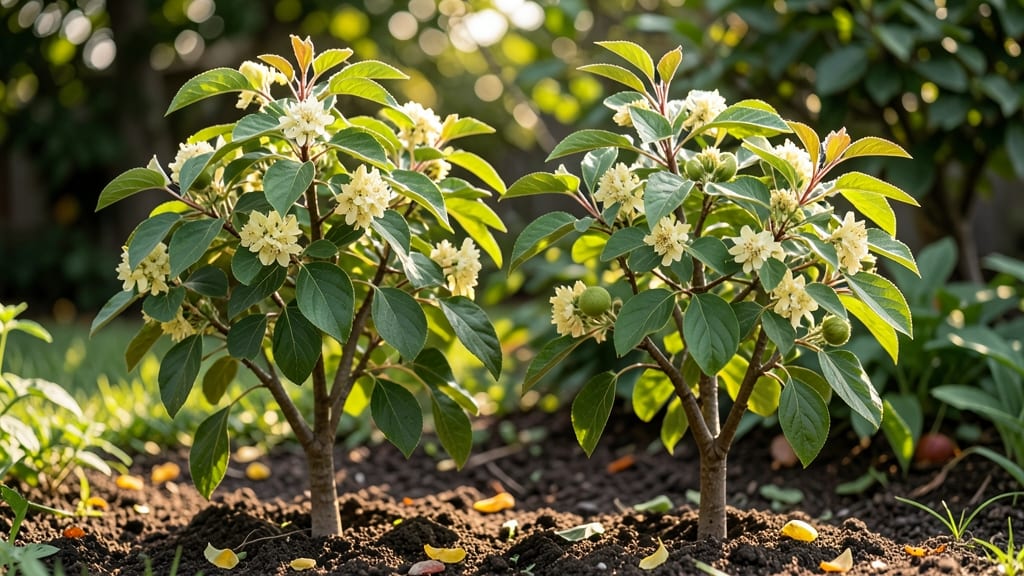
Transforming a persimmon flower 🍑 into fruit is where the magic happens—and where many gardeners miss the mark, even with healthy trees.
You’ve watched those stunning blossoms open in spring, only to see them fade without a single fruit forming. Or maybe your persimmons set fruit but drop before ripening, leaving you frustrated after months of waiting.
The difference between a bountiful harvest and disappointment often comes down to understanding the exact stages, timing, and care your tree needs from bloom to harvest.
In this guide, I’ll walk you through the critical moments in persimmon fruit development—from pollination to fruit set, the signs of success (or failure), and the care adjustments that keep your harvest growing.
Whether you’re dealing with wind-pollinated varieties or hand-pollinating for better yields, you’ll learn how to maximize every blossom’s potential.
By the end, you’ll know exactly what to watch for, when to step in with extra care, and how to troubleshoot common pitfalls. No more guessing—just perfect persimmons from flower to fruit.
Persimmon flowering stages: pollination secrets for heavy fruit set
Understanding the persimmon flowering stages is the key to unlocking a bountiful harvest. These trees produce male and female flowers on separate blooms, making pollination a delicate process that directly impacts fruit set.
Without proper pollination, your tree might bloom beautifully but fail to produce a single fruit. Let’s dive into the science behind it so you can maximize your yield.
First, recognize that most persimmon varieties like Fuyu and Hachiya are dioecious, meaning male and female flowers grow on separate trees. This means you’ll need at least one male tree for every 6-10 female trees to ensure cross-pollination occurs naturally.
If you’re growing a self-pollinating variety like American persimmon (Diospyros virginiana), the process is simpler—but still requires ideal conditions.
The ideal temperature range for persimmon pollination is between 60-85°F. If temperatures drop below 55°F or exceed 90°F, pollen production and transfer can suffer. Humidity levels also play a role—too dry (<30%), and pollen becomes brittle; too humid (>75%), and it clumps together. Aim for 40-70% humidity during the blooming period for optimal results.
If your persimmon tree isn’t setting fruit, poor pollination is often the culprit. Start by inspecting the flowers: male flowers have long stamens, while female flowers have a small, rounded ovary at the base.
If you see mostly male flowers on your tree, you’ll need to plant a female tree nearby—or vice versa. Bees and other pollinators are your best allies, but urban gardens may lack sufficient insect activity.
To hand-pollinate persimmons, use a small paintbrush or cotton swab to transfer pollen from male to female flowers in the morning when they’re open. Focus on female flowers that are just beginning to bloom, as they’re most receptive.
Repeat this process every 2-3 days during the flowering stage, which typically lasts 2-3 weeks. This method works best for self-pollinating varieties or when natural pollinators are scarce.
Once pollination occurs, you’ll notice tiny fruitlets forming within 2-3 weeks. These early fruits are highly susceptible to dropping if the tree isn’t healthy or conditions aren’t ideal. To prevent this, ensure your tree receives consistent watering (1-2 inches per week) and balanced fertilization (10-10-10 NPK) in early spring.
Avoid over-fertilizing with nitrogen, as this promotes leafy growth at the expense of fruit development.
For heavy fruit set, thin excess fruits when they’re golf-ball sized to reduce competition for nutrients. Leave 6-12 inches between remaining fruits to ensure they reach their full size. This step is crucial for Hachiya persimmons, which can become overly large and astringent if overcrowded.
Prune any dead or diseased branches in late winter to improve airflow and reduce stress on the tree.
Monitor your persimmons closely for signs of pest or disease, which can also hinder fruit development. Persimmon hornworms and aphids are common culprits—use neem oil or insecticidal soap as a preventive measure.
If you notice yellowing leaves or premature fruit drop, check for nutrient deficiencies (e.g., potassium or calcium) and adjust your soil amendments accordingly.
With the right care during the flowering stages, your persimmon tree will reward you with a bountiful harvest of sweet, vibrant fruit. Keep an eye on the weather, encourage pollinators, and intervene when needed—your efforts will pay off in perfectly ripened persimmons ready for picking by fall. 🍑
Fruit development timeline: what to expect from bloom to harvest
Once your persimmon flowers have been successfully pollinated, the real magic begins as tiny fruits form. Understanding this fruit development timeline helps you anticipate growth stages, spot problems early, and adjust care to maximize your harvest.
From the first signs of fruit set to the deep orange ripeness, each phase requires specific attention to prevent common pitfalls like fruit drop or pest damage.
The journey from flower to fruit typically spans 4-5 months, with key milestones occurring in late spring through early fall. Early stages focus on establishing strong fruit growth, while later phases prioritize protecting maturing fruits from environmental stressors.
By recognizing size changes, color shifts, and texture clues, you'll know exactly when to intervene and when to let nature take its course.
| Stage | Timeframe | Size/Appearance | Key Care Tasks | Watch For |
|---|---|---|---|---|
| Fruit Set | May-June | Pea-sized, green | Water deeply, thin excess fruit | Fungal spots, aphids |
| Rapid Growth | July-August | Golf ball size, green-yellow | Apply balanced fertilizer, monitor pests | Overwatering, borers |
| Color Change | September | Orange blush, firm texture | Reduce watering, protect from birds | Cracking from uneven water |
| Ripening | October-November | Deep orange, soft when ripe | Harvest at peak ripeness | Frost damage, overripe drop |
In the fruit set stage (May-June), tiny persimmons appear as pea-sized green orbs clinging to branches. This is when you should thin excess fruit—leaving 6-8 inches between fruits ensures larger, higher-quality persimmons.
Overcrowding stresses the tree and leads to small, underdeveloped fruit. Watch for aphids or powdery mildew during this moist period and treat promptly with neem oil or fungicide.
By July-August, your persimmons will swell to golf ball size and develop a green-yellow hue. This rapid growth phase demands consistent moisture—deep watering once weekly prevents cracking.
Apply a balanced fertilizer (10-10-10) to support cellular development. Borers and Japanese beetles become active; wrap tree trunks with burlap bands to catch crawling pests and remove them manually.
As September arrives, persimmons undergo their most dramatic transformation—a deep orange blush signals the start of ripening. The fruit will feel firm but slightly yielding when pressed. Reduce watering to bi-weekly to concentrate sugars and protect against fruit splitting.
Install bird netting if squirrels or birds target your crop, as they'll go for these vibrant fruits early.
The final stage—October-November ripening—requires patience. Fuyu persimmons can be harvested when firm and orange, while Hachiya varieties must soften completely before eating. Test ripeness by gently pressing the fruit; it should give slightly like a ripe peach.
Harvest before first frost to avoid flavor loss or damage. Store unripe persimmons in a cool, dry place to complete ripening indoors.