
Vegetables
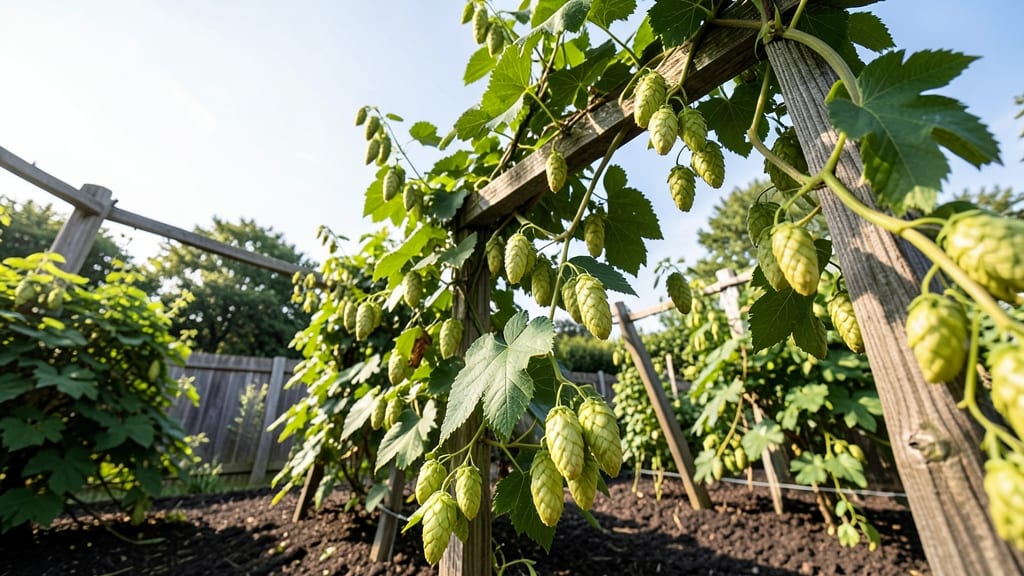
Tired of replanting annuals every spring? Zone 7 gardeners can thrive with these hardy perennial fruits and vegetables that return year after year, reducing work while increasing harvests. These cold-resistant crops multiply naturally, offering free plants for future seasons.
Asparagus Crowns For Long-Term Harvests
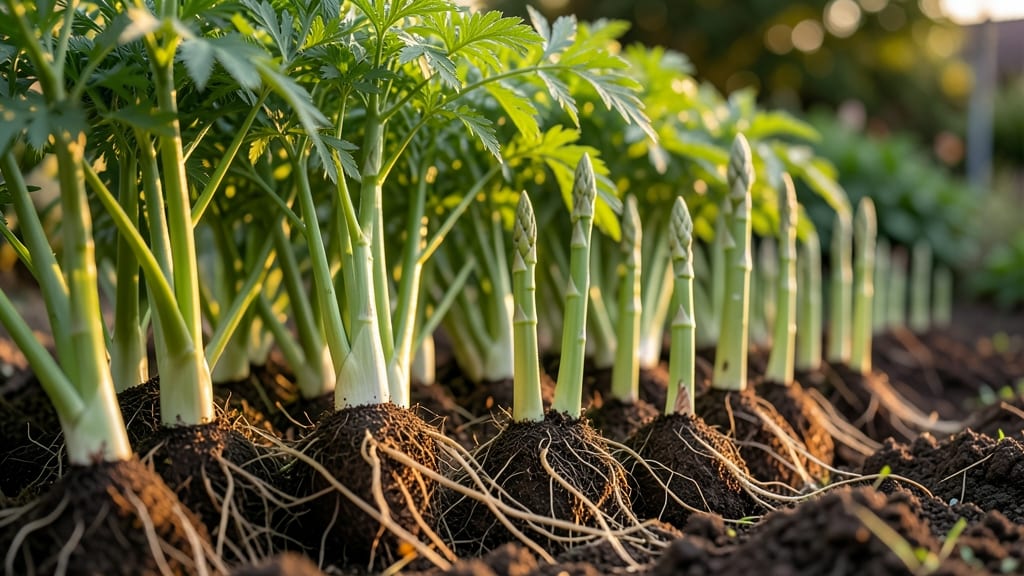
Want a vegetable that rewards patience with decades of harvests? Asparagus crowns are the ultimate long-term investment—producing spears for 15+ years after just one planting. Unlike annuals, these hardy perennials establish deep roots that make them drought-resistant once mature, while delivering your first fresh harvests in just 2-3 years.
Plant crowns in full sun (6+ hours daily) with well-draining soil amended with compost. The key to success is patience: harvest lightly the first year (just 2-3 spears per plant) and avoid cutting more than 20% of spears in year two to build root strength. After establishment, asparagus requires minimal care—just water during dry spells and mulch annually to suppress weeds. For Zone 7 gardeners, this means year-round green growth and early spring harvests when few other crops are ready.
Perfect for gardeners with space to dedicate to a long-term crop, asparagus crowns also make excellent gifts—each plant multiplies naturally, creating free new crowns for friends or future garden expansions. Once established, you'll have fresh, homegrown spears for decades with almost no annual effort. 🌱
Rhubarb Stalks With Bold Tart Flavor
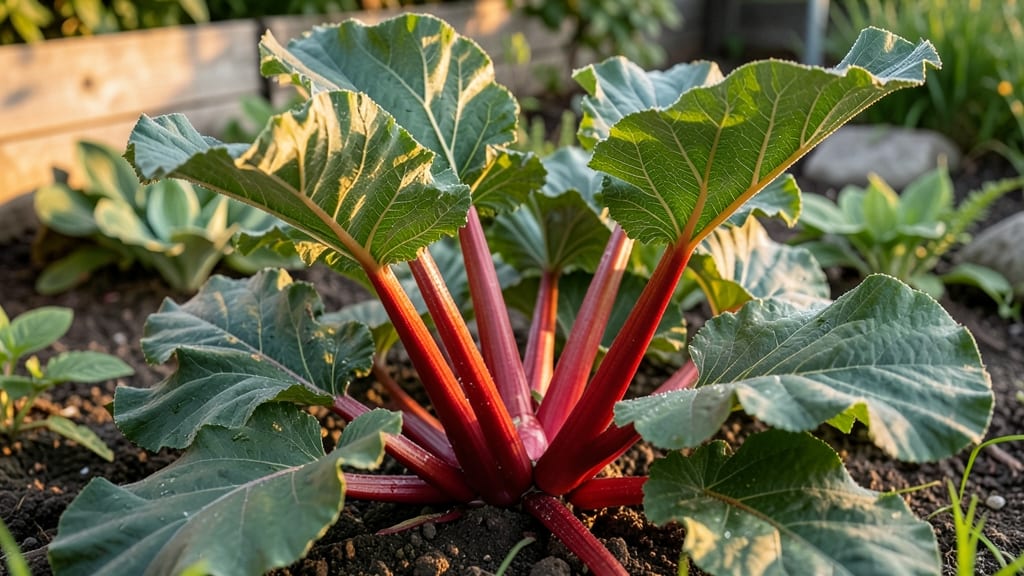
If you crave a perennial vegetable that delivers both striking visuals and bold flavor, rhubarb is your perfect match for Zone 7. This hardy plant thrives in partial shade and produces vibrant red stalks for decades with minimal care—ideal for gardeners who love low-maintenance crops.
Plant rhubarb crowns in well-drained soil with full sun to partial shade, and watch them establish roots that last 15+ years. The large, dramatic leaves add ornamental value, while the tart stalks are perfect for pies, compotes, or fresh eating. Harvest in spring when stalks reach 12 inches tall, cutting them at the base to encourage regrowth.
This plant is especially rewarding for pie makers and gardeners with limited space, as it produces abundantly without spreading aggressively like some perennials. Once established, it’s nearly self-sufficient, making it a standout for both beginners and experienced growers. 🌻
Strawberries That Spread Naturally
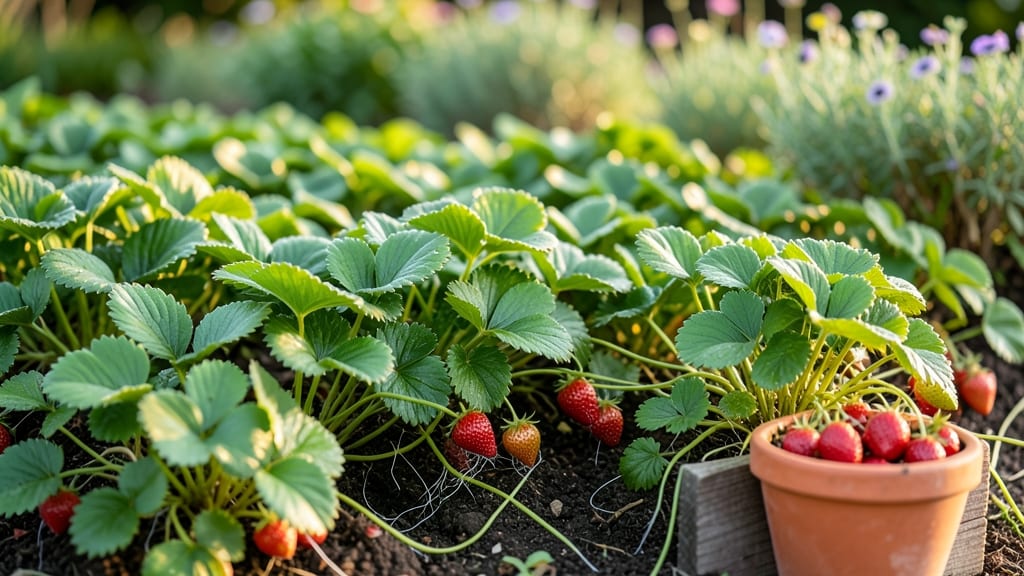
Turn your garden into a self-sustaining strawberry patch with June-bearing varieties that spread naturally each year. These plants create a living ground cover while delivering sweet, juicy fruit—ideal for small spaces or containers where you want both beauty and harvest.
Choose varieties like Albion or Jewel for reliable Zone 7 performance. Plant crowns in well-draining soil with 6 hours of sun daily, and watch runners spread over time. Mulch with straw to retain moisture and deter weeds while encouraging new plants. Containers work too—just ensure they’re at least 12 inches deep with drainage holes.
Perfect for urban gardeners or beginners, these strawberries reward patience with year-round expansion and fewer replanting chores. 🌱
Jerusalem Artichokes For Unique Tubers
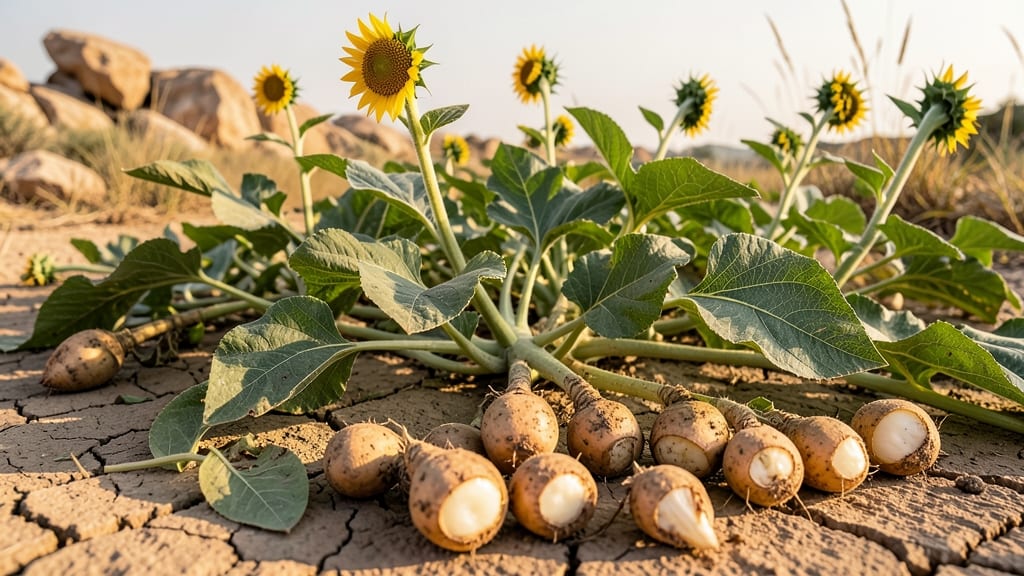
Looking for a drought-tolerant perennial that thrives in poor soil while delivering a unique harvest? Jerusalem artichokes (also called sunchokes) are the answer. These sun-loving tubers produce edible roots with a nutty, slightly sweet flavor—perfect for roasting, boiling, or adding to salads.
Plant tubers in full sun to partial shade in well-drained soil, even rocky or sandy areas. They’re low-maintenance once established, requiring minimal watering and no fertilizer. Harvest tubers in fall or early spring, and let some remain in the ground to multiply naturally. Their sunflower-like blooms also add pollinator-friendly beauty to your garden.
This hardy perennial is ideal for forgotten corners of the garden or urban plots with challenging soil. Gardeners who love unusual crops and want to reduce annual planting work will appreciate their resilience and productivity. 🌻
Hardy Kiwi Vines For Year-Round Growth
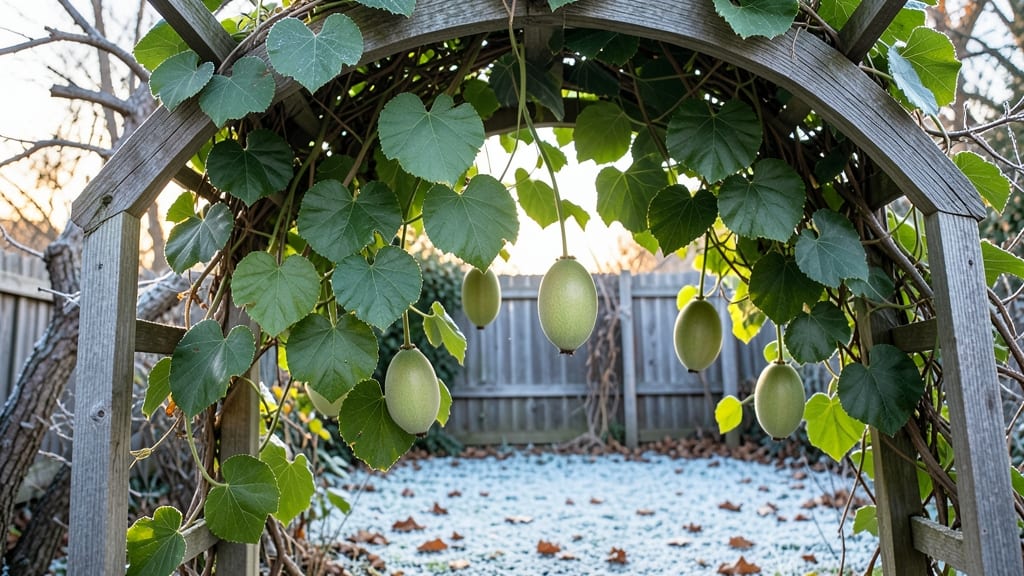
Imagine harvesting homegrown kiwi fruit in Zone 7 winters without wrapping vines in frost cloth or moving plants indoors. Cold-hardy kiwi varieties like Actinidia arguta (hardy kiwi) thrive in temperatures down to -15°F, producing sweet, grape-sized fruits annually with minimal winter protection.
These vines grow 15-20 feet tall but can be trained on trellises or arbors, making them perfect for small spaces. Plant male and female vines (they’re dioecious) for pollination, and expect fruit in 2-3 years. Mulch heavily in fall to protect roots, and prune in late winter to encourage vigorous growth. The fruits ripen in late summer to fall, offering a tropical treat without the tropical climate.
This is the ideal choice for gardeners who love year-round productivity but hate winter garden chores. Perfect for urban balconies, rural homesteads, or anyone craving fresh kiwi without the fuss! 🌱
Walking Onions For Continuous Harvests
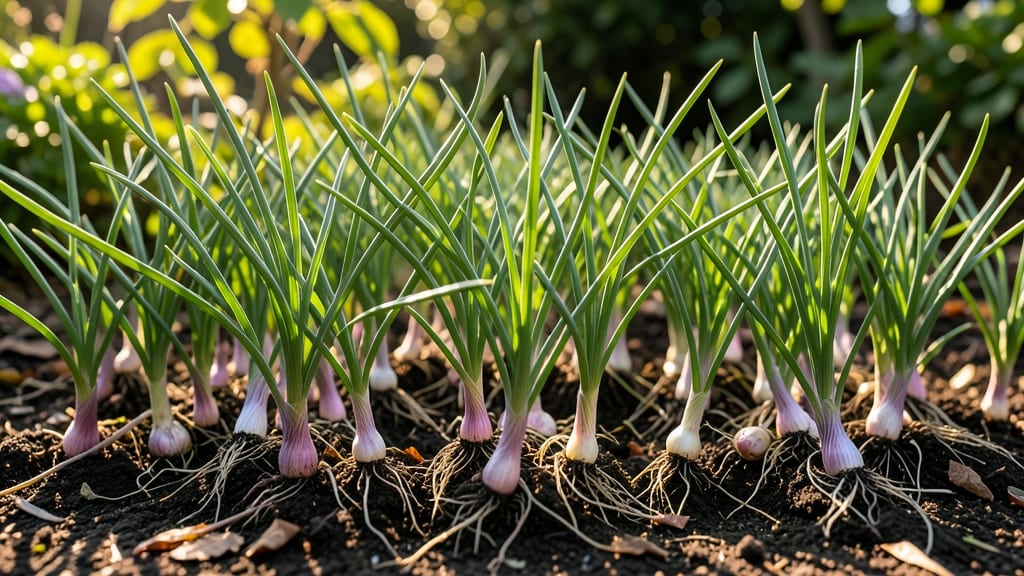
Tired of buying onion sets every spring? Walking onions are the ultimate lazy gardener's solution—plant them once, and they'll keep producing fresh green onions for years without replanting. These hardy alliums multiply naturally, creating a self-sustaining patch that spreads gently each season.
Start by planting individual bulbs in early spring or fall, spacing them 4-6 inches apart in well-draining soil with full sun to part shade. The bulbs send up scallions in spring, flower in summer (adding ornamental value), then drop new bulbs around the parent plant. Simply snip what you need, and let the rest regrow—no digging required!
Perfect for urban gardeners with small spaces or anyone who loves fresh herbs without the upkeep. Their purple blooms also attract pollinators, making them a dual-purpose garden star. 🌱
Comfrey Plants For Medicinal Leaves
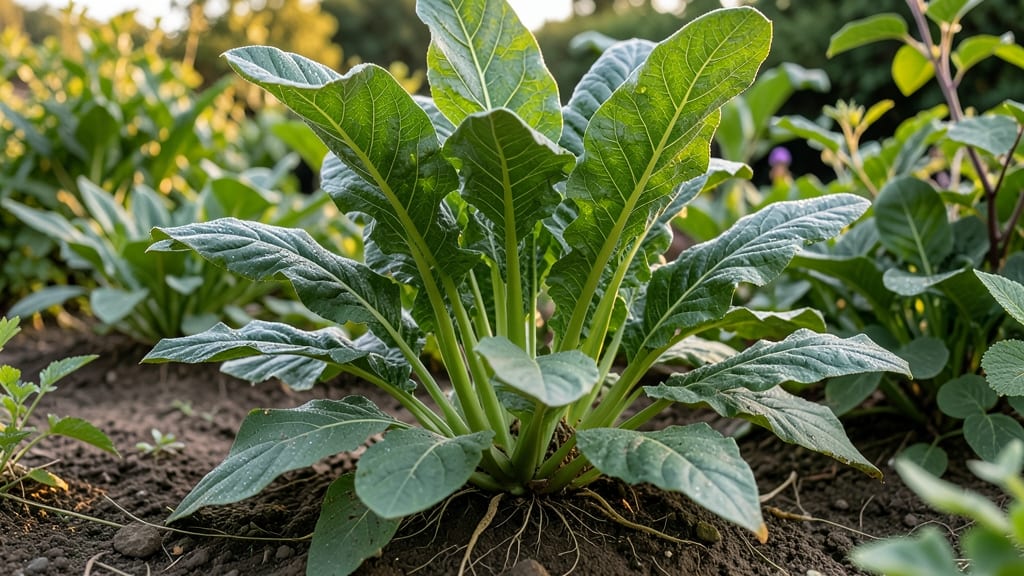
Looking for a drought-resistant perennial that works as hard as you do? Comfrey delivers with its nutrient-packed leaves that double as a soil booster and medicinal powerhouse. This hardy plant thrives in Zone 7 with minimal care, making it ideal for gardeners who want both beauty and function.
Harvest the large, leafy greens to brew compost tea—rich in potassium, phosphorus, and trace minerals—that supercharges your garden soil. The leaves also contain allantoin, a compound used in herbal remedies for skin healing and inflammation relief. Plant comfrey in full sun to partial shade and watch it spread into a lush, self-sustaining patch.
Perfect for homesteaders, herbalists, and eco-conscious gardeners, comfrey turns dead space into a living resource. Just be mindful of its aggressive roots—contain it with buried barriers for tidy beds. 🌿
Ground Cherries For Easy Fruit Picking
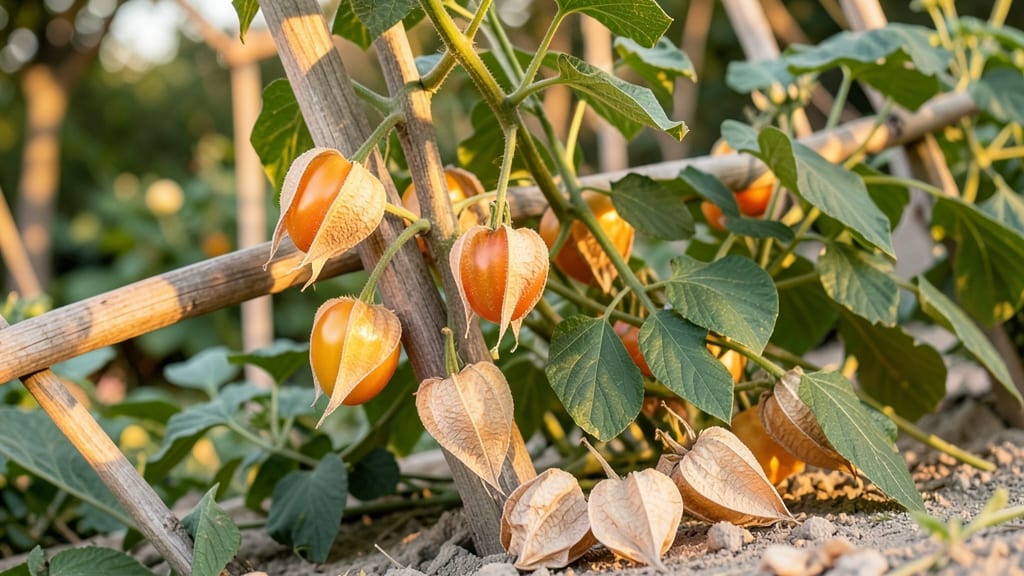
Tired of fussing with pollinators to get fruit? Ground cherries (like Cape gooseberry) are self-pollinating vines that produce sweet, tomato-like fruits without any extra work. Their papery husks protect the fruit until it's perfectly ripe—no squishy surprises here.
These vines thrive in full sun to partial shade and grow well in containers or garden beds. Plant seeds in spring after the last frost, and you’ll harvest golden or orange fruits in late summer. They’re also disease-resistant and deter pests naturally, making them a low-maintenance addition to any garden.
Perfect for gardeners who love unique flavors and minimal effort, ground cherries add a tropical twist to your harvest with almost no fuss. 🌟
Perennial Kale Varieties For Cold Weather
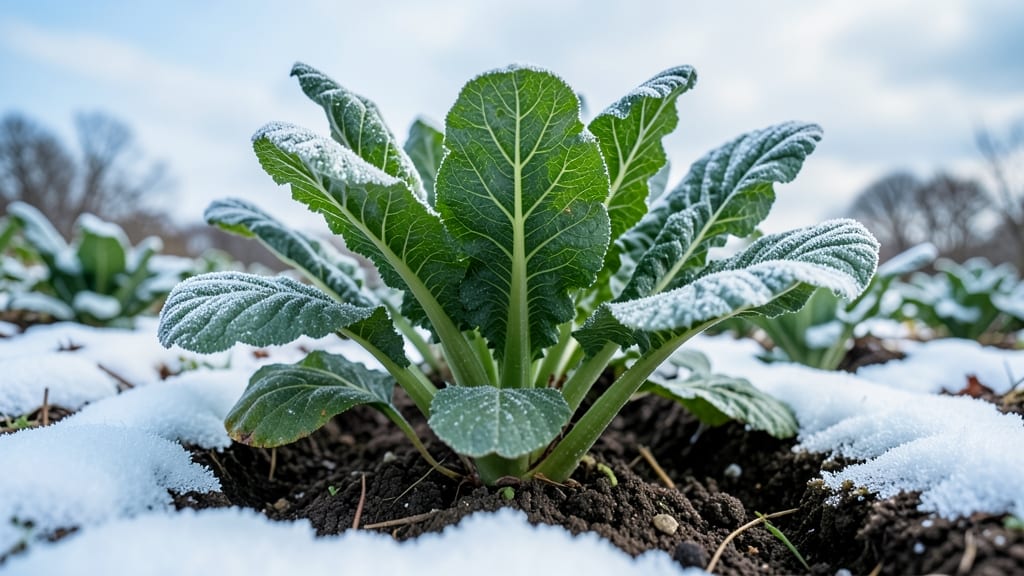
Skip the spring replanting rush—perennial kale gives you fresh greens even when snow blankets the ground. Unlike annual varieties, these cold-hardy types like 'Winterbor' or 'Lacinato' keep producing through Zone 7 winters, withstanding temperatures down to 15°F.
Plant in well-draining soil with full sun to partial shade, and protect young leaves with row covers during extreme cold snaps. Harvest outer leaves first to encourage continuous growth, and watch for pests like aphids—spray with soapy water if needed. These varieties pack 10x more nutrients than summer kale, making them a winter superfood.
Perfect for gardeners who want year-round harvests with minimal replanting, perennial kale fits beautifully in raised beds or containers. 🌱
Hops Plants For Homebrewing Adventures

Turn your backyard into a craft brewery with hops plants, a fast-growing perennial that delivers aromatic cones for homebrewing. Unlike annuals, these vigorous vines return year after year, rewarding you with 3-4 pounds of cones per plant once established.
Plant hops bines in well-draining soil with full sun and provide a sturdy trellis for vertical growth. Varieties like Cascade or Centennial thrive in Zone 7, producing cones ready for harvest in late summer. Prune aggressively in early spring to control growth and encourage robust cone production.
Perfect for homesteaders and craft beer enthusiasts, hops add a unique dimension to your garden while saving money on brewing supplies. With minimal care after establishment, you'll enjoy a space-efficient crop that multiplies naturally each season. 🌟