
Landscaping
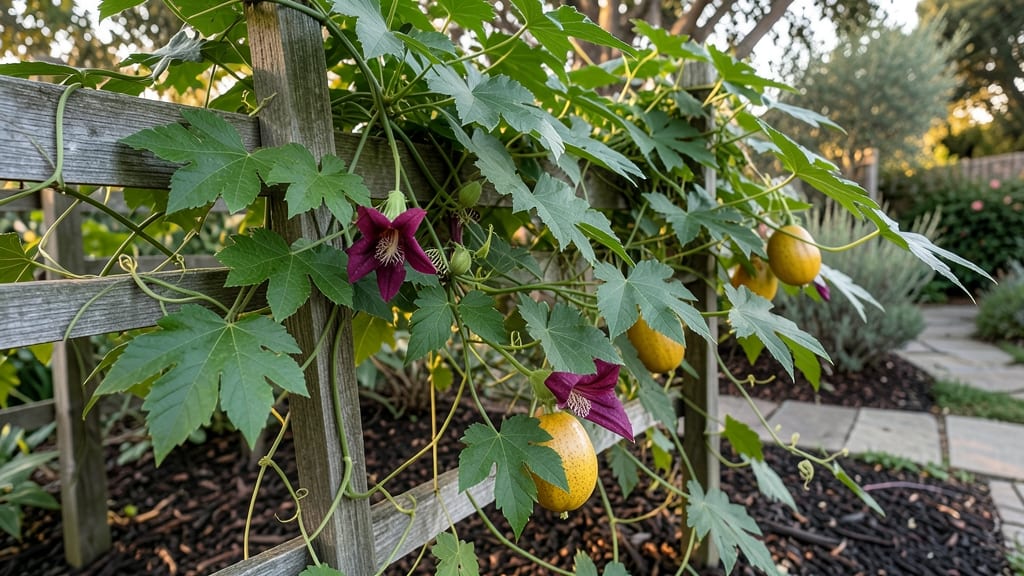
A passionfruit vine on a fence transforms your yard into a lush tropical retreat. 🌿 The twisting vines and vibrant blooms create a living privacy screen that’s both functional and stunning—imagine fresh fruit ripening just steps from your kitchen.
Start with a sturdy fence made of wood, metal, or even sturdy bamboo stakes. The vine needs support to climb, so space plants 10-15 feet apart along the fence. A simple wire trellis or mesh netting works too, giving the vine something to grip as it grows upward.
By late summer, you’ll see glossy leaves, fragrant flowers, and eventually, those iconic passionfruit. The vine thrives in warm climates but can be grown in containers and brought indoors in cooler months. This isn’t just a fence—it’s a year-round harvest and a conversation piece.
Ready to grow your own tropical oasis?
📚 In This Guide
- What you need
- Instructions
- Tips and common mistakes
- Wrapping up and next steps
What you need
- ● Passionfruit vine plants: 1-2 healthy young plants (choose Passiflora edulis or Passiflora ligularis for best results).
- ● Fence or trellis: A sturdy, vertical structure (wood, metal, or PVC) with horizontal slats or wires spaced 12-18 inches apart for vine support.
- ● Potting soil: 1-2 bags of well-draining, nutrient-rich potting mix (or a blend of 50% garden soil + 50% compost).
- ● Fertilizer: A balanced, slow-release granular fertilizer (e.g., 10-10-10) or organic options like composted manure.
- ● Pruning shears: Sharp, clean shears for trimming and shaping vines.
- ● Garden gloves: Heavy-duty gloves to protect your hands from thorns.
- ● Watering can or hose: With a gentle spray nozzle for deep watering.
- ● Support ties: Soft plant ties or old fabric strips to secure vines to the fence initially.
- ● Mulch: Organic mulch (e.g., straw or wood chips) to retain moisture and suppress weeds.
- ● Epsom salt: A handful mixed into soil for magnesium boost (great for leaf health).
- ● Drip irrigation system: For automated, consistent watering (ideal for larger setups).
- ● Thorn-proof sleeves: If you’re extra cautious, wear long sleeves or protective gear.
How to train passionfruit vines on a fence for maximum growth
Here's the method I've used to turn a simple fence into a thriving tropical display—no green thumb required.
🪴 Step 1: Choose the Right Fence and Location
Passionfruit vines need a sturdy fence that can support their 15-25 foot sprawl. I recommend a wooden trellis or metal lattice—both provide grip while allowing airflow to prevent fungal diseases. Avoid chain-link fences; the vines can't latch onto the smooth surface and will flop to the ground.
Position your fence in full sun (at least 6-8 hours daily). Passionfruit thrives in warm climates, but even in cooler zones, it can produce fruit if given spring and summer heat. Check your last frost date—plant after all danger has passed, or use a frost cloth to protect young vines.
🌱 Step 2: Plant the Vine at the Base and Secure Early
Dig a hole twice as wide as the vine's root ball but only as deep as the container it came in. Loosen the roots gently if they're circling—this encourages outward growth. Place the vine in the hole, then backfill with native soil mixed with compost (if not already in the soil blend). Water deeply to settle everything.
As soon as the vine shows new growth (about 4-6 inches), tie the main stem to the fence with soft plant ties or strips of old T-shirt fabric. Avoid wire or plastic ties—they can cut into the vine as it thickens. Space ties every 12-18 inches up the fence to guide upward growth. Watch for curly tendrils—these are the vine's natural hooks, but they need a little help at first.
☀️ Step 3: Prune and Train for Structure
During the first growing season, focus on establishing a strong framework. Let the vine climb freely but prune back any side shoots that grow toward the fence instead of upward. You want one main stem with secondary branches forming at 45-degree angles—this creates a natural trellis for fruit to hang.
In late winter or early spring, cut back any dead or weak growth and thin out crowded stems. Leave 3-5 strong canes per vine—they'll produce the most fruit. Here's the thing: passionfruit vines are aggressive, so prune regularly to keep them manageable. You'll know you're doing it right when the remaining branches look thick and green, not leggy or yellowing.
💧 Step 4: Water and Fertilize for Heavy Fruit Production
Water deeply 2-3 times per week during the growing season, aiming for 1-2 inches of moisture per week. Passionfruit vines have shallow roots, so soil should stay consistently moist but not soggy. You'll see the difference when leaves stay deep green and crisp—wilting or yellowing means it's time to water.
Feed with a balanced fertilizer (10-10-10) every 4-6 weeks during spring and summer. I switch to a low-nitrogen, high-phosphorus formula (like 5-10-10) when flowers appear to encourage fruiting. Avoid over-fertilizing—too much nitrogen leads to lush vines but fewer flowers and fruit. Look for small yellow flowers in spring; these are your first sign of future passionfruit.
✂️ Step 5: Harvest and Maintain Through the Seasons
Passionfruit ripens in late summer to fall, depending on your climate. You'll know it's ready when the fruit turns yellow or purple and feels slightly soft when gently squeezed. Cut the fruit from the vine with clean pruners, leaving a small stem attached. Store unripe fruit at room temperature until it ripens fully.
After harvest, reduce watering but keep the soil lightly moist. In colder climates, mulch the base with 2-3 inches of straw or leaves to protect roots from frost. If your vine is in a USDA Zone 9 or warmer, it may stay evergreen year-round. In cooler zones, the vine will go dormant—prune back one-third of the growth in late winter to encourage new spring shoots.
Tips & tricks for perfect passionfruit vine training
Here's what nobody tells you about transforming your fence into a lush, productive passionfruit display—lessons I learned after watching my first vine flop like a sad balloon.
The Fence Factor: If your fence isn't sturdy enough, you'll end up with a vine sprawling across your yard instead of climbing elegantly. I recommend installing a wooden trellis or metal lattice alongside your existing fence—it gives the vine extra support while still looking natural. For extra security, add a horizontal wire mesh between the fence posts every 3 feet to create more grip points. This is especially important if you live in windy areas where vines can get whipped around.
Tendril Training: Those curly tendrils are the vine's natural hooks, but they need guidance early on. In Step 2, when you're tying the main stem, also look for emerging tendrils and gently wrap them around the fence or trellis. I like to use soft plant ties or fabric strips because they won't damage the vine as it thickens. Pro tip: If you see a tendril growing toward the ground, redirect it upward immediately—once it gets heavy with fruit, it'll be too late to reposition.
Pruning for Productivity: During your first growing season, resist the urge to let the vine grow wild. In Step 3, when establishing the framework, be ruthless about removing any side shoots growing toward the fence. These compete with your main upward growth and reduce fruit production. I aim to keep just 3-5 strong canes per vine—this might seem harsh, but you'll get more fruit and easier maintenance. Think of it like training a champion athlete: you prune the weak areas to make the strong ones even stronger.
Seasonal Water Wisdom: The 1-2 inches of moisture per week in Step 4 isn't just about quantity—it's about consistency. I've learned that passionfruit vines hate soggy roots but also can't handle drought. In summer, I water in the early morning to prevent evaporation, and I always check the soil moisture by pushing my finger 1 inch deep. If it feels dry, it's time to water. In cooler months, I reduce to once a week unless we have a heatwave, because the vine's growth slows down naturally.
Pro Tips for Passionfruit Vine On Fence
- Here's what nobody tells you about transforming your fence into a lush, productive passionfruit display—lessons I learned after watching my first vine flop like a sad balloon.
- The Fence Factor: If your fence isn't sturdy enough, you'll end up with a vine sprawling across your yard instead of climbing elegantly.
- Tendril Training: Those curly tendrils are the vine's natural hooks, but they need guidance early on.
Frequently asked questions
Got questions about growing passionfruit vines on your fence? Here are some of the most common ones—plus straightforward answers to help you succeed!
How long does it take for a passionfruit vine to climb a fence?
A healthy passionfruit vine can climb 10–15 feet per year with proper support! Given the right conditions (sun, nutrients, and training), expect full coverage of a 6–8-foot fence in 1–2 years. Patience pays off—these vines are fast growers once established!
What if my vine isn’t climbing? How can I encourage it?
If your vine isn’t climbing, check these fixes:
- Prune aggressively: Trim back leggy growth to encourage bushier, upward growth.
- Use trellis ties: Gently secure vines to the fence with soft ties (like old T-shirts or horticultural tape) to guide them.
- Fertilize: Passionfruit vines love balanced fertilizer (10-10-10) or compost-rich soil to fuel climbing.
- Check for pests: Spider mites or aphids can weaken vines—spray with neem oil if needed.
Can I grow passionfruit vines in containers near a fence instead?
Containers are a great alternative if your fence isn’t sturdy or you’re in a colder climate. Use a large pot (15+ gallons) with drainage, and train the vine to climb a nearby trellis or wire frame. Just ensure it gets full sun (6+ hours/day) and water deeply 2–3 times per week during dry spells. Dwarf varieties like ‘Panama Red’ work well in containers!
How do I protect my passionfruit vine from frost or cold snaps?
Passionfruit vines are tropical and cannot tolerate frost—here’s how to shield them:
- Cover young plants: Use a frost blanket or row cover when temps dip below 32°F (0°C).
- Prune back: Cut vines to the ground in fall if frost is expected, then regrow from the base in spring.
- Choose cold-hardy varieties: ‘Panama Red’ or ‘Purple’ passionfruit tolerate brief chilly spells better than others.
- Move containers indoors: If potted, bring the plant near a sunny window or under grow lights.
What pests or diseases should I watch for on my fence-grown passionfruit?
Keep an eye out for these common issues:
- Spider mites: Tiny yellow spots on leaves? Spray with water or neem oil to deter them.
- Aphids: Sticky residue on leaves? Blast off with a strong water stream or use insecticidal soap.
- Fungal diseases (like powdery mildew): Improve airflow around the vine and avoid overhead watering.
- Fruit borers: Worms inside fruit? Remove infested fruit immediately and treat with BT (Bacillus thuringiensis).
Wrapping up and next steps
Growing a passionfruit vine on a fence isn’t just about adding tropical flair to your yard—it’s a rewarding journey that brings sweet rewards and lush beauty. With the right support, sunlight, and care, your vine will thrive, producing vibrant flowers and delicious fruit while creating a stunning vertical garden. 🌿✨
Ready to take the next step? Start by selecting the perfect trellis or fence, then plant your vine with confidence. Before you know it, you’ll be harvesting your own passionfruit—and enjoying the satisfaction of a job well done! 🍈💚