
Container Gardens
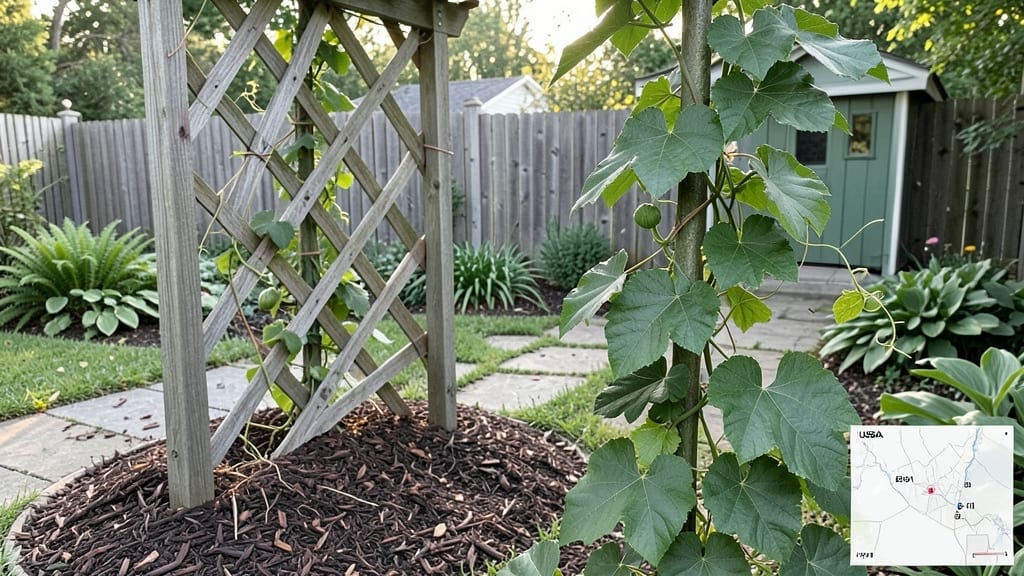
Growing passionfruit in zones 8-11 lets you enjoy tropical flavors without the heat. 🌱 The secret lies in compact varieties like 'Panama Red' or 'Purple Gold' that thrive in containers, adapting to your patio or balcony.
These vines handle warm climates beautifully but need protection from frost—even a light freeze can damage tender leaves and fruit.
Sunlight is non-negotiable: 6+ hours of direct light daily keeps vines productive, while partial shade in peak summer prevents leaf scorch. In cooler zones (7 or below), grow them in insulated containers and overwinter indoors near a sunny window.
The key is matching your microclimate—even a south-facing wall can extend the growing season by weeks.
By summer, you'll be harvesting fragrant, sweet-tart fruits straight from your container. The vines grow aggressively but stay manageable with pruning, and the tropical aroma alone makes it worth the effort. Perfect for urban gardeners or anyone craving a taste of the tropics without the travel.
For colder areas, consider greenhouse setups or moving pots indoors before frost. The payoff? Fresh passionfruit year after year, even in areas where traditional vines would struggle. Let's get those vines climbing!
📚 In This Guide
- What you need
- Instructions
- Tips and common mistakes
- Wrapping up and next steps
What you need
- ● Container: 1–2 large pots (15–20 gallons each) with drainage holes. Pro tip: Use fabric grow bags for better root aeration! 💡
- ● Potting Mix: 5–10 gallons of well-draining, organic-rich soil blend (e.g., 60% coconut coir, 30% perlite, 10% compost).
- ● Compact Passionfruit Variety: 1–2 plants of Passiflora edulis ‘Panama Red’ or ‘Sweet Gem’ (dwarf varieties).
- ● Support Structure: 1 trellis or sturdy bamboo stake (6+ feet tall) per plant for vining.
- ● Fertilizer: Balanced organic fertilizer (10-10-10) or citrus-specific blend. Apply every 4–6 weeks.
- ● Mulch: 2–3 inches of straw or wood chips to retain moisture.
- ● Self-watering system or drip irrigation for consistent moisture.
- ● Slow-release fertilizer tablets for convenience.
- ● Pruning shears for shaping vines and removing dead growth.
- ● Pest control: Neem oil or insecticidal soap (for aphids/mealybugs).
- ● Sun shade cloth (30–50%) for seedlings in hot passionfruit growing zones.
Instructions for growing compact passionfruit in containers
Here's how to successfully cultivate small passionfruit vines in containers—ideal for patios and balconies.
🌱 Step 1: Select and Prepare the Right Container
Choose a container at least 18-24 inches deep with multiple drainage holes—passionfruit vines need room for roots to spread and excess water to escape. I prefer terracotta pots because they breathe and help regulate soil moisture, but any durable plastic or fabric grow bag with drainage will work. Place a layer of 2-3 inches of gravel at the bottom to improve drainage and prevent root rot.
Passionfruit vines are vigorous climbers, so position your container near a sturdy trellis, fence, or balcony railing. The vine will need something to grip as it grows, and a 6-foot vertical support is ideal for compact varieties. Avoid placing containers in areas where they’ll be jostled by foot traffic or pets—these vines are delicate when young.
☀️ Step 2: Plant in Well-Draining, Nutrient-Rich Soil
Fill the container with a mix of 60% potting soil, 20% perlite or coarse sand, and 20% compost. Passionfruit thrives in slightly acidic to neutral soil with a pH between 6.0 and 7.5. Avoid garden soil—it compacts in containers and can suffocate roots. Gently loosen the soil with your fingers to create a small hole, just deep enough to accommodate the root ball of your passionfruit cutting or young plant.
Place the vine in the hole and backfill with soil, pressing lightly around the base to eliminate air pockets. Water deeply until moisture seeps from the drainage holes—this ensures the roots make immediate contact with the soil. The first few weeks are critical, so keep the soil consistently moist but never soggy. You’ll know it’s right when the top inch feels damp but not waterlogged.
💧 Step 3: Provide Warmth, Sun, and Consistent Moisture
Passionfruit vines love warmth and need at least 6-8 hours of direct sunlight daily. A south or west-facing spot is ideal, but if you’re in a cooler climate, supplement with a grow light to extend daylight hours. The ideal temperature range for growth is 70-85°F, so if you’re in a colder zone, bring containers indoors during frost or move them to a greenhouse in winter.
Water deeply 2-3 times per week, allowing the top 1-2 inches of soil to dry out between waterings. Overwatering is the fastest way to kill a passionfruit vine—yellowing leaves or mushy stems are red flags. Mulch the soil surface with 1-2 inches of straw or shredded bark to retain moisture and regulate temperature. This also prevents soil-borne diseases from splashing onto the leaves during watering.
✂️ Step 4: Prune and Train for Compact Growth
Pruning is key to keeping passionfruit vines manageable in containers. Once the vine reaches 4-5 feet tall, trim back the longest stems by one-third to encourage bushier growth. Remove any leggy or weak growth that’s stretching toward the light—these won’t produce fruit and waste the plant’s energy. Use clean, sharp pruners and make cuts just above a leaf node to promote new shoots.
Train the vine along the trellis by gently tying the main stems to the support with soft plant ties or strips of old fabric. Avoid wire or anything that can cut into the vine as it thickens. Passionfruit vines produce fruit on new growth, so regular pruning in late winter or early spring (just before new shoots appear) keeps the plant productive and contained. You’ll see new leaves and flowers emerge within a few weeks of pruning—that’s your cue the plant is happy and ready for more growth.
🌿 Step 5: Fertilize and Monitor for Pests
Feed your passionfruit vine every 4-6 weeks during the growing season with a balanced, water-soluble fertilizer (10-10-10 or similar). Mix the fertilizer at half-strength to avoid burning the roots, and apply it after watering to help distribute nutrients evenly. Passionfruit is a heavy feeder, so don’t skimp—you’ll notice lush, dark green leaves and more flowers (and eventually fruit) with consistent feeding.
Keep an eye out for common pests like aphids, spider mites, and whiteflies, which love passionfruit leaves. I spray the undersides of leaves with a strong stream of water to dislodge pests, and if needed, use neem oil as a natural deterrent. Yellowing leaves can also signal nutrient deficiencies—add a bit of Epsom salt (magnesium sulfate) to the soil if the edges of leaves turn yellow, or switch to a fertilizer higher in nitrogen if the entire leaf yellows. Healthy passionfruit vines should have glossy, vibrant leaves and a steady stream of new growth.
Tips & tricks for thriving compact passionfruit in containers
Here's what nobody tells you about keeping passionfruit vines happy in limited spaces—these details make all the difference between a struggling plant and a fruit-bearing powerhouse.
Container Depth Matters: While the instructions specify 18-24 inches, I've found that vines in 24-inch containers produce fruit more reliably than those in 18-inch pots. The extra depth gives roots room to establish before they hit the bottom, which is especially important in the first growing season. If you're working with shallower containers, add a layer of expanded clay pebbles instead of gravel—they provide better aeration for roots in tight spaces.
The Soil Mix Can Be Simplified: The 60-20-20 soil ratio works perfectly, but here's my shortcut: Use a high-quality cactus/succulent mix as your base (60%), then add 20% coarse sand and 20% worm castings instead of regular compost. The worm castings provide nutrients without the risk of compacting like compost can, and they help retain moisture better. Test your soil pH before planting—passionfruit is sensitive to soil chemistry, and a pH meter costs less than $20.
Watering Wisdom for Containers: The 2-3 times per week guideline assumes average conditions, but container-grown passionfruit often need more frequent watering. Check moisture by sticking your finger 1-2 inches deep—if it feels dry, water thoroughly. In hotter climates (above 85°F), you may need to water daily, especially in smaller containers. The mulch layer you add helps, but don't rely on it to compensate for inconsistent watering. Yellowing leaves usually mean overwatering, while crispy leaf edges signal underwatering.
Pruning Timing is Everything: When the instructions mention pruning at 4-5 feet, I've discovered that compact varieties actually benefit from earlier pruning at 3 feet tall. This encourages more lateral branching sooner, which translates to earlier fruit production. Always prune just after flowering to avoid removing potential fruit buds. And here's a pro move: Save your pruned stems! Place them in water for a few days to root, then plant them in fresh soil—they'll grow into new vines.
Pro Tips for Passionfruit Growing Zone
- Here's what nobody tells you about keeping passionfruit vines happy in limited spaces—these details make all the difference between a struggling plant and a fruit-bearing powerhouse.
- Container Depth Matters: While the instructions specify 18-24 inches, I've found that vines in 24-inch containers produce fruit more reliably than those in 18-inch pots.
- The worm castings provide nutrients without the risk of compacting like compost can, and they help retain moisture better.
Frequently asked questions
What are the best passionfruit varieties for small spaces or containers?
Opt for compact varieties like Passiflora edulis (purple passionfruit) or Passiflora ligularis (sweet granadilla). These stay manageable (6–10 ft tall) and produce abundant fruit without sprawling. Dwarf hybrids like ‘Golden Passionfruit’ are also great for pots!
How long does it take for passionfruit to bear fruit in containers?
With ideal care, expect flowers in 6–12 months and fruit in 1–2 years. Patience is key—container-grown vines may take slightly longer than in-ground plants. Prune regularly to encourage faster fruiting and better air circulation.
Can passionfruit grow in cold climates or indoors?
Passionfruit thrives in USDA Zones 8–11, but you can grow them indoors near sunny windows or under grow lights in cooler zones. Use a 10–15 gallon container and bring pots indoors when temps drop below 50°F (10°C). Choose cold-hardy varieties like Passiflora caerulea (blue passionflower) for extra resilience.
Why aren’t my passionfruit vines producing fruit, even with flowers?
Common culprits include lack of sunlight (they need 6+ hours dailypoor pollination (hand-pollinate with a brush), or nutrient deficiencies. Feed monthly with a balanced fertilizer (10-10-10) and ensure well-draining soil. Overwatering can also stress the plant—let the top inch dry between waterings.
How do I overwinter passionfruit in containers?
Move pots to a cool, bright spot (50–60°F / 10–15°C) like a garage or basement. Reduce watering and trim back foliage by 1/3 to conserve energy. Resume regular care in spring when temperatures rise. Pro tip: Use a mulch blanket around the pot to protect roots from freezing.
Bonus Tip:
Need a fast-growing alternative? Try Passiflora antioquiensis—it’s drought-tolerant and produces fruit in as little as 9 months! Just ensure your container has drainage holes and use a well-aerated potting mix.
Wrapping up and next steps
Growing passionfruit in containers is not only doable but also incredibly rewarding—especially when you choose compact varieties suited to your passionfruit growing zone! 🌱 With the right soil, sunlight, and care, you can enjoy sweet, tropical fruit even in small spaces.
Whether you're a beginner or a seasoned gardener, the key is patience and consistency—your efforts will soon pay off with vibrant blooms and delicious harvests.
Ready to dive in? Start by selecting your perfect variety, gather your supplies, and get planting! Share your progress with the gardening community or tag us—we’d love to see your container passionfruit thrive. Happy growing! 🌿