
Fertilization
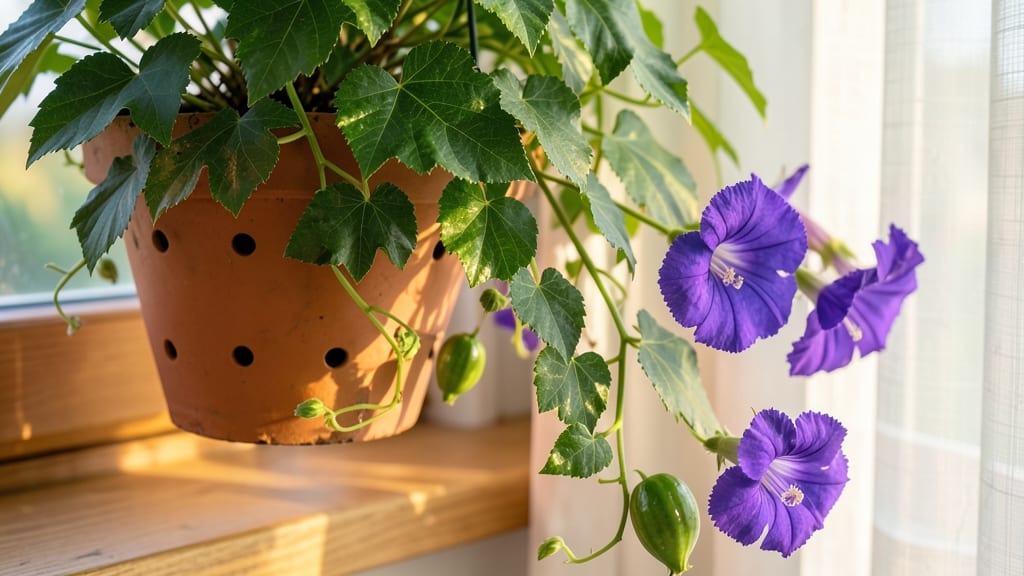
Growing passion fruit as a houseplant means tropical fruit on your windowsill—no backyard needed. 🌱 I’ve grown these vines for years, and the key is matching their jungle origins to your home’s conditions. The right variety, light, and care turn your living room into a mini orchard.
Start with a compact variety like Passiflora edulis (purple passion fruit) or Passiflora caerulea (blue passion vine), both of which thrive indoors. You’ll need a large pot (at least 10 gallons) with drainage, bright south- or west-facing light, and humidity levels above 50%.
A grow light helps if natural light is weak—these vines need 6-8 hours of direct light daily to fruit.
By summer, you’ll see fragrant white flowers followed by sweet, tangy fruit—harvestable in as little as 6 months with consistent care. The trick is balancing water (keep soil lightly moist but never soggy) and feeding with a balanced fertilizer every 2 weeks during growing season.
Prune leggy vines in early spring to encourage bushier growth and more flowers.
Even in small spaces, this works—just rotate the pot for even light exposure and watch as your vine climbs, blooms, and bears fruit year-round. The first harvest is the most exciting part, but the journey of watching it grow is just as rewarding.
📚 In This Guide
- What you need
- Instructions
- Tips and common mistakes
- Wrapping up and next steps
What you need
- ● Passion fruit plant: Start with a healthy Passiflora edulis cutting or young plant (check local nurseries or online plant shops).
- ● Large container: A 10-15 gallon pot with drainage holes (terracotta or fabric pots work best).
- ● Well-draining potting mix: A blend of 60% cactus/succulent mix + 30% perlite + 10% compost (avoid heavy garden soil!).
- ● Fertilizer: Balanced liquid fertilizer (10-10-10 or 20-20-20) for initial growth.
- ● High-phosphorus fertilizer (5-10-10) when flowering/fruiting begins.
- ● Support structure: A trellis, bamboo stake, or sturdy wire frame (6+ feet tall for climbing).
- ● Pruning shears: Sharp, clean shears for trimming (sterilize with rubbing alcohol).
- ● Watering can: With a narrow spout for precise hydration.
- ● Grow lights: LED full-spectrum bulbs (12+ hours/day in low-light areas).
- ● Humidity tray: A pebble tray with water to boost moisture (passion vines love humidity!).
- ● Slow-release fertilizer tablets: For hassle-free nutrient delivery.
- ● Pollination tool: A small paintbrush to hand-pollinate flowers (if indoors).
- ● Mulch: Pine bark or coconut coir to retain moisture.
Step-by-step instructions for growing a thriving passion fruit houseplant
Growing passion fruit indoors rewards patience with exotic fruit and lush vines—here’s how to set yours up for success.
🌱 Step 1: Select and Prepare the Right Container
Choose a 5-gallon or larger container with drainage holes—passion fruit vines need deep roots and hate soggy soil. I use a fabric grow bag for my indoor vine because it breathes better than plastic and prevents root rot. Fill the bottom third with orchid bark or perlite to improve drainage and aeration.
Passion fruit vines are aggressive growers, so plan for 10+ feet of climbing space—install a sturdy trellis or use a pvc pipe frame near a sunny window. The vine will twine naturally, but a support system prevents tangled growth. Place a small saucer under the pot to catch excess water, but empty it after each watering to avoid root suffocation.
☀️ Step 2: Position for Maximum Light and Humidity
Passion fruit thrives in bright, indirect light—think 6+ hours of sunlight daily, ideally from a south- or west-facing window. If natural light is weak, supplement with a full-spectrum LED grow light positioned 6-12 inches above the plant. You’ll know it’s getting enough light when new leaves are dark green and glossy, not pale or yellowing.
Mimic tropical humidity by placing the pot on a pebble tray filled with water or using a humidifier nearby. Passion fruit vines love 60-70% humidity—if leaves start curling or browning at the edges, that’s your cue to increase moisture. A simple spray bottle works in a pinch, but avoid wetting the foliage directly to prevent fungal issues.
💧 Step 3: Water and Fertilize for Optimal Growth
Water when the top 2 inches of soil feel dry—stick your finger in the soil to check. Overwatering is the fastest way to kill a passion fruit vine, so never let it sit in standing water. I water deeply until it drains from the bottom, then empty the saucer to prevent root rot. During winter, reduce watering to every 7-10 days as growth slows.
Feed with a balanced liquid fertilizer (10-10-10) every 4-6 weeks during spring and summer. When flowers appear, switch to a phosphorus-heavy fertilizer (5-10-5) to encourage fruiting. You’ll see vibrant yellow-orange flowers within 6-12 months—these are your first sign of potential fruit. Prune leggy growth to focus energy on flowering and fruiting.
✂️ Step 4: Prune and Train for Fruit Production
Prune in early spring to shape the vine and encourage bushier growth. Cut back overly long vines by one-third to stimulate branching. Remove any yellow or damaged leaves immediately—they drain energy and attract pests. I also pinch off the first few sets of leaves to encourage stronger lateral growth.
Train the vine along the trellis by gently tying new growth with soft plant ties every 6-8 inches. Passion fruit vines are self-clinging, but support prevents breakage as fruit develops. When flowers appear, hand-pollinate by gently shaking the vine or using a small brush to transfer pollen. This boosts fruit set, especially indoors where natural pollinators are absent.
🍈 Step 5: Harvest and Overwinter for Next Year
Passion fruit turns from green to yellow-orange when ripe—gently twist to harvest. Fruit is ready when it detaches easily from the vine. Store at room temperature for up to 5 days or refrigerate for longer shelf life. Cut open a ripe passion fruit to check for seeds and pulp—this confirms successful pollination and fruiting.
In late fall, reduce watering and fertilizing as growth slows. Move the plant to a cooler spot (55-65°F) if possible, but keep it above 50°F. Prune again in early spring to remove dead wood and encourage new growth. With proper care, your vine will produce year-round fruit—just keep it happy with light, humidity, and a little TLC.
Tips & tricks for thriving indoor passion fruit vines
These insider strategies will help your tropical vine flourish indoors—no greenhouse required.
Container Selection: If you don't have a fabric grow bag, use a heavy ceramic pot with drainage holes instead of plastic. The extra weight stabilizes the vine, and ceramic breathes better than plastic containers. For extra insurance against root rot, add a handful of coarse sand to the bottom third layer alongside the orchid bark—this creates an additional drainage barrier that prevents soggy soil conditions.
Light Optimization: When supplementing with grow lights, position them so they're 6-12 inches above the plant's tallest point—not just the top leaves. Passion fruit vines grow aggressively, so adjust the light height as the vine climbs. I've found that using a timer for 12-14 hours daily mimics natural daylight cycles, which actually increases flowering. The key is consistency—don't let the light cycle vary by more than an hour from day to day.
Pruning Precision: When you prune back overly long vines by one-third in early spring, focus on removing the longest, leggiest growth rather than just cutting randomly. These are the vines that have been stretching toward light rather than developing strong lateral branches. The cuts you make should expose small leaf nodes—these are where new side shoots will emerge. I always sterilize my pruning shears with rubbing alcohol between cuts to prevent spreading any potential plant diseases.
Pollination Boost: For hand-pollination, use a soft-bristled makeup brush instead of your fingers. This gives you more control and prevents crushing delicate flower parts. Gently brush the brush against the center of one flower, then transfer that pollen to another flower's center. Do this for 3-5 flowers per vine to maximize fruit set. I've found that doing this in the morning when flowers are fully open gives the best results—pollen is most viable at that time.
Pro Tips for Passion Fruit Houseplant
- These insider strategies will help your tropical vine flourish indoors—no greenhouse required.
- Container Selection: If you don't have a fabric grow bag, use a heavy ceramic pot with drainage holes instead of plastic.
- Light Optimization: When supplementing with grow lights, position them so they're 6-12 inches above the plant's tallest point—not just the top leaves.
Frequently asked questions
Got questions about growing passion fruit indoors?
You’re not alone! Here are answers to the most common queries to help your vine thrive—no guesswork required.
Can passion fruit houseplants actually produce fruit indoors?
Yes—but it takes patience and the right conditions! With Passiflora edulis (or dwarf varieties like ‘Sweet Gem’), you can get fruit indoors if you provide bright, indirect light (6+ hours daily), warm temps (65–80°F), and consistent care. Expect blooms in 1–2 years, with tiny (but edible!) fruit. Pro tip: Pollinate flowers by hand with a soft brush!
How long does it take for a passion fruit vine to bear fruit?
Indoor vines typically take 1–3 years to mature enough for fruit, depending on variety and care. Dwarf types like ‘Purple Haze’ may fruit faster (12–18 months), while standard vines can take longer. Key factors: Light, humidity, and fertilizer (use a balanced 10-10-10 mix monthly in spring/summer).
Why are my passion fruit leaves turning yellow?
Yellow leaves usually signal overwatering or nutrient deficiency. Check soil moisture—it should dry slightly between waterings. Fix it:
- Reduce watering and ensure pots have drainage holes.
- Fertilize with a citrus-friendly formula (high in iron/zinc) if leaves are pale.
- Move to brighter light if edges are crispy (too dry) or mushy (root rot).
Do passion fruit houseplants need winter dormancy?
Not strictly, but they benefit from a slight rest in winter (Dec–Feb). Reduce watering, stop fertilizing, and move to a cooler spot (55–65°F). Resume care in spring with more light and warmth to encourage blooming. Skip dormancy? Keep temps above 60°F and grow lights if natural light drops.
What’s the easiest passion fruit variety for indoor growing?
Start with dwarf or trailing varieties like:
- Passiflora ‘Sweet Gem’ – Compact, reliable fruit.
- Passiflora ‘Purple Haze’ – Cold-hardy, fast-growing.
- Passiflora caerulea – Hardy blue flowers (edible but less sweet).
How do I prevent pests on my passion fruit vine?
Watch for spider mites, mealybugs, or aphids (common on new growth). Prevent them:
- Isolate new plants for 2 weeks.
- Wipe leaves with neem oil or insecticidal soap weekly.
- Boost humidity (pebble trays help) to deter mites.
Wrapping up and next steps
Growing a passion fruit houseplant is a rewarding journey that brings exotic flavors and lush greenery right into your home! 🌱 With the right fertilization techniques—like balancing organic and synthetic feeds—you’ll nurture vibrant vines and sweet, juicy fruit year-round. Remember, consistency is key!
Now that you’re armed with these harvest hacks, why not take the next step? Start small—try a single vine in a sunny spot—and watch your green thumb flourish. Happy growing, and may your passion fruit adventures be as sweet as the fruit itself! 🍈✨