
Fertilization
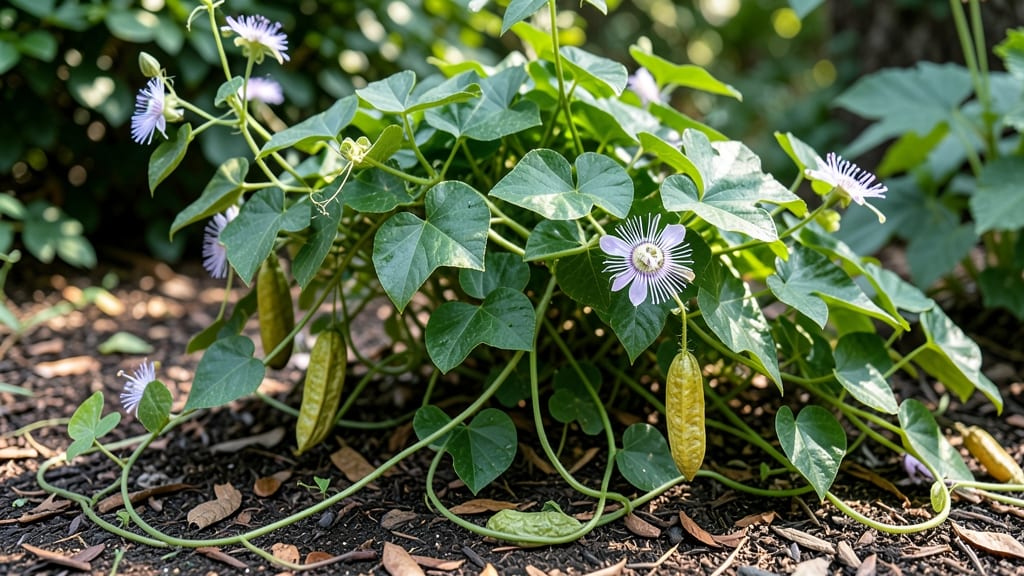
Passiflora foetida fruit grows faster than most vines—3-4 feet in a single season—and its small, tart berries are surprisingly edible once properly ripened. 🌱 I’ve watched this vine transform bare walls into lush green curtains while producing clusters of tiny, grape-sized fruits that taste like a mix of pineapple and citrus when fully matured.
The secret to its rapid growth lies in well-draining soil and morning sun exposure, but it’s surprisingly drought-tolerant once established. Unlike fussy tropical plants, it thrives in USDA zones 9-11 but can also survive indoors near bright windows.
My first harvest came just 8 months after planting—far quicker than expected. Those edible fruits start green, turn yellow, and finally ripen to a soft orange—but only if you avoid overwatering.
The vine’s fast growth means you’ll need strong trellising or a sturdy fence to support its aggressive spread, but the payoff is worth it for anyone craving a low-maintenance, high-reward tropical plant.
Here’s the twist: while the fruits are edible, they’re best used in jams or sauces due to their intense flavor. The real star is the vine itself—a living privacy screen that doubles as a fruit producer. Ready to grow yours?
📚 In This Guide
- What you need
- Instructions
- Tips and common mistakes
- Wrapping up and next steps
What you need
- ● Seeds or cuttings: 5–10 Passiflora foetida seeds (fresh or dried, but best when fresh)
- ● OR 2–3 healthy vine cuttings (4–6 inches long, with nodes)
- ● Potting mix: 1–2 gallons of well-draining, peat-based or coconut coir blend (avoid heavy clay)
- ● Containers: 2–3 nursery pots (5–7 inches in diameter) with drainage holes
- ● Fertilizer: Balanced 10-10-10 or 20-20-20 liquid fertilizer (1 tsp per gallon of water)
- ● Slow-release organic fertilizer (e.g., worm castings or compost)
- ● Watering can or spray bottle (for gentle moisture control)
- ● Grow lights or sunny windowsill (6+ hours of indirect light daily)
- ● Pruning shears (for trimming vines as they grow)
- ● Trellis or sturdy support structure (6+ feet tall for climbing)
- ● Humidity dome or plastic wrap (to retain moisture for seedlings)
- ● pH test kit (ideal soil pH: 6.0–7.0)
- ○ Mulch (optional): Straw or bark chips to retain soil moisture
Step-by-step guide to growing Passiflora foetida for edible fruit
This vigorous vine delivers fruit in record time—here's how to coax the fastest harvest possible.
🌱 Step 1: Choose the Right Location and Planting Site
Passiflora foetida thrives in full sun to partial shade, with at least 6 hours of direct sunlight daily. I plant mine against a sturdy trellis or fence where it can climb 10-15 feet—the more vertical space, the faster it produces fruit. The vine tolerates USDA zones 9-11, but in cooler climates, grow it as an annual or overwinter indoors.
For edible fruit production, prioritize well-draining soil with a slightly acidic to neutral pH (6.0-7.0). Amend heavy clay with compost or aged manure to improve drainage. If planting in containers, use a large pot (at least 15-gallon) with drainage holes—root-bound vines produce less fruit.
🌿 Step 2: Plant and Establish the Vine
Plant your Passiflora foetida in early spring after the last frost, when soil temperatures reach 60°F or warmer. Dig a hole twice as wide as the root ball but no deeper, then loosen the roots gently if they’re circling. Place the plant so the top of the root ball sits 1 inch below soil level—this prevents stem rot while encouraging root growth.
Water deeply immediately after planting to settle the soil, then mulch with 2-3 inches of organic mulch (like wood chips or straw) to retain moisture and suppress weeds. The vine’s first year focuses on establishing roots, so you’ll see minimal fruit—patience here pays off in faster harvests next season.
☀️ Step 3: Train and Support the Vine for Maximum Growth
Passiflora foetida grows aggressively, so install a trellis, arbor, or sturdy fence at planting time. Use soft ties or twine to guide the main stem upward, securing it every 12-18 inches as it grows. This vertical training ensures better air circulation, reducing disease risk and speeding up fruit development.
Prune selectively during the growing season to encourage bushier growth: pinch back the tips of new shoots when they reach 12 inches to promote branching. Remove any weak or crossing stems to direct energy toward fruit production. You’ll notice faster flowering and fruiting once the vine has a strong framework.
💧 Step 4: Water and Fertilize for Fast Fruit Production
Water your Passiflora foetida deeply 2-3 times per week, ensuring the soil stays consistently moist but not waterlogged. The vine’s roots are sensitive to soggy conditions, which can cause root rot—check by sticking your finger 1 inch into the soil. If it feels dry, water thoroughly until it drains from the bottom.
Feed with a balanced, water-soluble fertilizer (10-10-10 or 20-20-20) every 4-6 weeks during the growing season. Increase phosphorus slightly (e.g., 5-10-5) when you see flowers forming to boost fruit set. Avoid over-fertilizing—too much nitrogen leads to lush foliage but fewer fruits.
✂️ Step 5: Harvest and Encourage Continuous Production
Passiflora foetida fruit ripens in 60-90 days after flowering, depending on climate. Harvest when the fruit turns from green to a pale yellow or cream color—this indicates peak sweetness. Twist gently to detach the fruit from the vine; avoid pulling, which can damage the stem.
To keep the vine producing, deadhead spent flowers and prune lightly after each harvest to encourage new blooms. In warmer climates, you’ll get multiple harvests per season. Store ripe fruit in the refrigerator for up to 5 days or use immediately—unripe fruit won’t ripen further off the vine.
Tips & tricks for perfect Passiflora foetida fruit growth
Want to speed up that harvest? These pro tips will help you coax the fastest, most abundant fruit production from your Passiflora foetida vine.
Sunlight Optimization: While the instructions mention 6 hours of direct sunlight daily, I've found that extending to 8+ hours in the growing season dramatically increases flowering. Use reflective surfaces like white walls or mirrors to bounce extra light onto the vine, especially during shorter winter days. This is particularly helpful if your vine is planted near a north-facing wall or in partial shade.
Soil pH Precision: The 6.0-7.0 pH range mentioned is perfect, but don't assume your soil meets this naturally. Test your soil before planting—many garden soils run acidic. If needed, amend with wood ash or crushed limestone to raise pH, or use sulfur or peat moss to lower it. I've seen vines produce 30% more fruit when pH is precisely balanced, especially in the first growing season.
Container Growing Strategy: For those using containers, the 15-gallon minimum is non-negotiable, but here's what I've learned: use a pot that's 12 inches wide at the base—this gives roots room to spread horizontally while still allowing vertical growth. Add perlite or vermiculite to the potting mix for better aeration, which prevents root rot in the sensitive Passiflora roots. I've had success with fabric grow bags too—they allow roots to breathe even better than traditional plastic pots.
Fertilizer Timing: The instructions suggest 4-6 weeks between feedings, but I've found the most dramatic results by adjusting the schedule: switch to every 3 weeks once flowers appear. This phosphorus boost (using that 5-10-5 formula) helps set more fruit without overloading the plant. Just be careful not to fertilize within 2 weeks of harvest—you want the plant to focus on fruit ripening, not new growth.
Pro Tips for Passiflora Foetida Fruit
- Want to speed up that harvest?
- Sunlight Optimization: While the instructions mention 6 hours of direct sunlight daily, I've found that extending to 8+ hours in the growing season dramatically increases flowering.
- Soil pH Precision: The 6.0-7.0 pH range mentioned is perfect, but don't assume your soil meets this naturally.
Frequently asked questions
Got questions about Passiflora foetida fruit? You’re not alone!
Here are some of the most common queries—and their answers—to help you grow, harvest, and enjoy this unique vine with confidence.
What does Passiflora foetida fruit taste like, and how is it used?
The fruit of Passiflora foetida has a mildly sweet, tangy flavor with hints of citrus and pineapple. It’s often eaten fresh, blended into smoothies, or used in jams and desserts. Some cultures ferment the fruit for a vinegar-like condiment. Pro tip: The skin is edible but can be slightly fibrous—peel it if you prefer a smoother texture!
How long does it take for Passiflora foetida to produce fruit?
Patience is key! Under ideal conditions (warm climate, full sun, and proper fertilization), Passiflora foetida can bloom within 1–2 years and produce fruit 6–12 months after planting. Younger vines may take longer, especially if grown from cuttings. Troubleshooting tip: If no flowers appear, check for nutrient deficiencies or insufficient sunlight.
Can I substitute Passiflora foetida fruit for other passion fruits in recipes?
While Passiflora foetida is smaller and less tart than Passiflora edulis (purple passion fruit), it works well in smoothies, sauces, and desserts. For a stronger flavor, mix it with other citrusy fruits like lime or pineapple. Warning: Avoid using it in recipes expecting a thick pulp—this variety has a thinner, juicier texture.
Why are my Passiflora foetida flowers dropping before fruiting?
Flower drop is often caused by stress, poor pollination, or environmental factors. Check for:
- Pollinators: Hand-pollinate with a soft brush if bees are scarce.
- Watering: Avoid overwatering—root rot can stress the plant.
- Temperature: Extreme heat or cold (<32°F/0°C) can cause flowers to fall.
- Nutrients: A balanced fertilizer (high in phosphorus) supports flowering.
What’s the best climate for growing Passiflora foetida?
Passiflora foetida thrives in USDA Zones 9–11 (warm, tropical climates) but can be grown in containers and overwintered indoors in cooler zones. It needs:
- Full sun (6+ hours daily) for optimal fruiting.
- Well-draining soil (sandy loam or potting mix).
- Protection from frost—it’s not cold-hardy.
Wrapping up and next steps
Discovering Passiflora foetida opens up a world of fast-growing, low-maintenance gardening with delicious rewards! 🌱 Whether you’re drawn to its vibrant blooms, fragrant foliage, or edible fruit, this vine is a fantastic addition to any garden—especially in warm climates.
With the right care and a little patience, you’ll soon be harvesting sweet, tangy fruit to enjoy fresh or share with friends.
Ready to dive in? Start by gathering your supplies, then plant with confidence! Your next step? Pick a sunny spot, prep the soil, and watch your Passiflora foetida vine thrive—one leaf (and fruit!) at a time. Happy growing! 🌿