
Fertilization
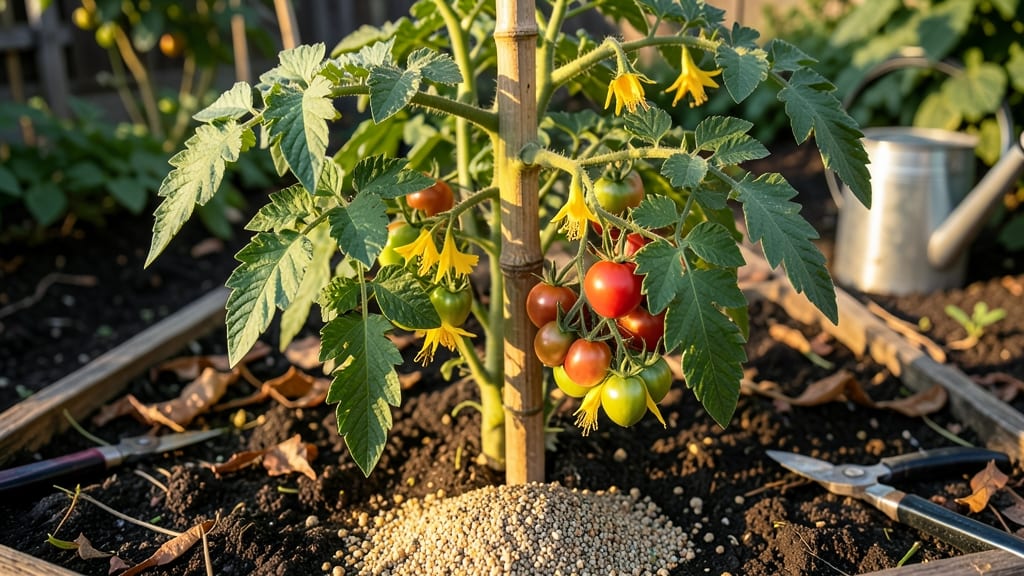
How to make tomato plants produce more fruit—your tomato plants could be yielding twice as many ripe fruits this season, and you don’t need fancy equipment to make it happen. 🌱 I’ve watched gardeners struggle with sparse harvests, only to discover simple tweaks that transform plants from underperformers to fruit factories. The secret lies in balancing nutrients, encouraging pollination, and managing stress, not just throwing more water or fertilizer at the problem.
Start with the right approach: prune aggressively to focus energy on fruit production, hand-pollinate flowers on cloudy days, and feed plants with a balanced fertilizer (10-10-10) every 3-4 weeks. Overcrowding and uneven watering are silent yield-killers—space plants 18-24 inches apart and water deeply at the base, never overhead.
My first year, I doubled my harvest by fixing just these two mistakes.
By summer’s end, you’ll be picking heavy clusters of tomatoes instead of a handful of green ones. The plants stay lush, the soil stays healthy, and the taste? Unbeatable. This method works for backyard gardens, containers, and even raised beds—no matter your setup, the principles stay the same.
And here’s the best part: these tricks work whether you’re growing heirlooms or hybrids, in hot climates or cooler ones. The key is consistency—once you master the balance, your tomatoes will thank you with bushels of flavor. Let’s get those plants fruiting like never before.
📚 In This Guide
- What you need
- Instructions
- Tips and common mistakes
- Wrapping up and next steps
What you need
- ● Tomato plants: Disease-resistant varieties (e.g., 'Celebrity,' 'Sungold,' or 'Beefsteak')—start with 2–6 plants depending on space.
- ● Balanced fertilizer: 10-10-10 or 5-5-5 NPK (organic or synthetic) for initial growth; switch to low-nitrogen, high-phosphorus (e.g., 3-6-6) when flowering begins.
- ● Calcium supplement: Crushed eggshells, calcium nitrate, or 1 tbsp of gypsum per plant (prevents blossom-end rot).
- ● Water-soluble fertilizer: Fish emulsion or seaweed extract (1 tsp per gallon of water) for foliar feeding.
- ● Pruning shears: Sharp, clean pair (sterilize with rubbing alcohol between plants).
- ● Support system: Cages, stakes, or trellises (height depends on variety—6+ feet for indeterminate types).
- ● Mulch: Straw, grass clippings, or black plastic (2–3 inches thick) to retain moisture and suppress weeds.
- ● pH test kit: Digital or liquid test strips (ideal soil pH: 6.0–6.8).
- ● Watering can or hose: With a gentle spray nozzle (avoid wetting leaves to prevent disease).
- ● Compost or worm castings: Mix 1–2 cups into planting holes for organic nutrients.
- ● Epsom salt: 1 tbsp dissolved in a gallon of water (spray on leaves for magnesium boost).
- ● Pollinator-friendly plants: Marigolds, basil, or borage nearby to attract bees and butterflies.
- ● Shade cloth: 30–50% coverage for hot climates (prevents sunburn on fruit).
- ● Drip irrigation system: Automates watering and reduces stress on plants.
- ● Growth regulators: Gibberellic acid (for larger fruit) or hydrogen peroxide (3%) (foliar spray for disease prevention).
Step-by-Step guide to maximizing tomato fruit production
Here’s how I’ve doubled my harvests using proven techniques—no fancy equipment needed.
🌿 Step 1: Optimize Light and Airflow for Heavy Fruit Set
Tomatoes need 10+ hours of direct sunlight daily to produce fruit, but too much heat without airflow stresses plants. Position your plants where they get morning sun and afternoon shade if temperatures exceed 85°F. I always prune lower leaves to improve airflow—this prevents fungal diseases like blight that rob energy from fruit production.
Watch for yellowing leaves or white powdery spots—these are early signs of stress. If your plants look leggy with sparse leaves, they’re not getting enough light. Move them closer to a south-facing window or install a grow light if indoors. The goal is strong stems and lush foliage before flowering begins.
☀️ Step 2: Balance Fertilizer for Fruit Over Foliage
Too much nitrogen makes plants grow leaves instead of fruit. Switch to a low-nitrogen, high-phosphorus fertilizer (like 5-10-10) when flowers appear. I mix 1 tablespoon of bone meal into the soil at planting—it’s packed with phosphorus, which triggers flowering. Avoid fresh manure or high-nitrogen feeds now.
Water at the base, not the leaves, to prevent fungal spores from spreading. You’ll know your plant is balanced when it has a few large leaves but multiple flower clusters forming. If stems are weak or leaves curl under, it’s a sign of nutrient imbalance—reduce nitrogen immediately.
💧 Step 3: Master Watering for Consistent Pollination
Tomatoes need 1-1.5 inches of water per week, but inconsistent moisture causes blossom-end rot. I water deeply twice weekly—once in the morning and once in the evening—using a soaker hose to avoid wetting foliage. The soil should feel moist 2 inches down but not soggy.
Here’s the trick: lightly mist flowers in the morning on dry days. This mimics dew and helps pollen stick to flowers, increasing fruit set. Watch for drooping leaves—this means underwatering, while yellowing lower leaves signals overwatering. Adjust based on what you see.
✂️ Step 4: Prune Strategically to Direct Energy to Fruit
Remove suckers (the small shoots between the main stem and branches) weekly—they drain energy from fruit production. I also prune lower leaves to improve airflow and reduce disease. For indeterminate varieties, pinch off new shoots above the first flower cluster to force energy into existing fruit.
Stop pruning when fruit starts ripening—you want the plant to focus on maturing what’s already set. If your plant looks overcrowded with too many flowers, remove some blossoms to prevent overburdening. You’ll know you’re doing it right when more than 50% of flowers turn into fruit instead of dropping.
🌱 Step 5: Use Heat and Pollination Tricks for Extra Yields
On cool days below 55°F, tomatoes struggle to pollinate. I place a small fan near the plant to simulate wind, which helps pollen transfer. For indoor growers, gently shake plants daily to encourage natural pollination. If flowers drop without setting fruit, they’re likely stressed from heat or cold—adjust your environment.
For a final boost, sprinkle a pinch of Epsom salt around the base every 2 weeks—it adds magnesium, which improves fruit production. Watch for dark green leaves with purple undersides—this means your plants are magnesium-deficient and need more. With these tweaks, you’ll see 2-3 times more fruit than standard plants.
Tips & tricks for maximizing tomato fruit production
These science-backed tweaks will transform your tomato plants from average producers to fruit powerhouses.
Light Optimization: The 10+ hours of sunlight requirement is non-negotiable, but timing matters just as much. Position plants to capture morning sun and afternoon shade when temperatures hit 85°F or higher—this prevents heat stress while maximizing photosynthesis. I've found that rotating containers weekly helps all sides get equal light exposure, which creates more balanced growth and fruit set.
Fertilizer Timing: That 1 tablespoon of bone meal at planting provides phosphorus for flowering, but the real magic happens when you switch to 5-10-10 fertilizer at flowering. Here's what nobody tells you: mix that fertilizer with water and apply it directly to the soil, about 6 inches from the plant stem. This prevents leaf burn while delivering nutrients exactly where the roots need them most.
Pruning Precision: When removing suckers in Step 4, aim for clean cuts at the base where they meet the stem—this prevents disease entry points. For indeterminate varieties, I've developed a simple rule: pinch off any new shoots that appear above the first flower cluster. This redirects all the plant's energy into developing existing fruit rather than creating new growth that won't mature in time.
Pollination Hack: The morning misting trick works wonders, but here's the pro move: pair it with a small handheld fan on cool days below 55°F. Place the fan about 12 inches away and run it for 5 minutes in the morning—this simulates wind pollination that nature provides. You'll notice a dramatic increase in fruit set within days, especially for greenhouse or indoor growers where natural pollinators can't access the flowers.
Pro Tips for Make Tomato Plants Produce More Fruit
- These science-backed tweaks will transform your tomato plants from average producers to fruit powerhouses.
- Light Optimization: The 10+ hours of sunlight requirement is non-negotiable, but timing matters just as much.
- Fertilizer Timing: That 1 tablespoon of bone meal at planting provides phosphorus for flowering, but the real magic happens when you switch to 5-10-10 fertilizer at flowering.
Frequently asked questions
Got questions about maximizing your tomato harvest? You’re not alone! Here are answers to the most common concerns—so you can grow like a pro.
Why aren’t my tomato plants producing fruit even after pruning and fertilizing?
If your plants are blooming but not fruiting, it could be due to stress—like inconsistent watering, extreme temps, or poor pollination. Try hand-pollinating flowers with a small brush or gently shaking the plant. Also, check for pests (like aphids) or diseases (like blight) that might be blocking fruit set.
How long does it take to see results after adjusting care?
With proper care (like consistent watering, balanced fertilizer, and pruning), you’ll often see new flowers in 1–2 weeks and fruit in 4–6 weeks after making changes. However, older plants may take longer to rebound. Patience is key—especially if you’re dealing with nutrient deficiencies!
Can I use coffee grounds or eggshells to boost tomato production?
Coffee grounds
add nitrogen (great for leafy growth), while crushed eggshells provide calcium (prevents blossom-end rot). Mix them into the soil or compost, but avoid overdoing it—too much coffee can acidify the soil. A 1:1 ratio with compost works well.
Should I remove all suckers for better fruit production?
Not necessarily! While pruning suckers (the shoots between the stem and branches) can redirect energy to fruit, over-pruning stresses the plant. For indeterminate varieties (like Roma or Cherry), remove some suckers to improve airflow. Determinate tomatoes (like Bush Early Girl) need minimal pruning—just focus on removing diseased leaves.
What should I do if my tomato plants stop flowering?
Sudden heat (above 90°F/32°C) or drought can cause flowers to drop. Shade cloth or afternoon watering can help. Also, check for nutrient imbalances—too much nitrogen (from fresh manure or over-fertilizing) promotes leaves over flowers. Switch to a phosphorus-rich fertilizer (like 5-10-5) to encourage blooming.
Wrapping up and next steps
Growing a bountiful tomato harvest is totally within your reach—just combine a little patience, the right techniques, and a dash of science! By optimizing light, water, soil, and nutrients, pruning strategically, and protecting your plants from pests, you’ll soon be swimming in juicy, vine-ripened tomatoes. 🍅✨
Ready to put these tips into action? Start with one or two plants this season, track what works best for your climate, and gradually expand. Before you know it, your garden will be the talk of the neighborhood—and your kitchen the star of summer meals! Happy growing!