
Pests and Diseases
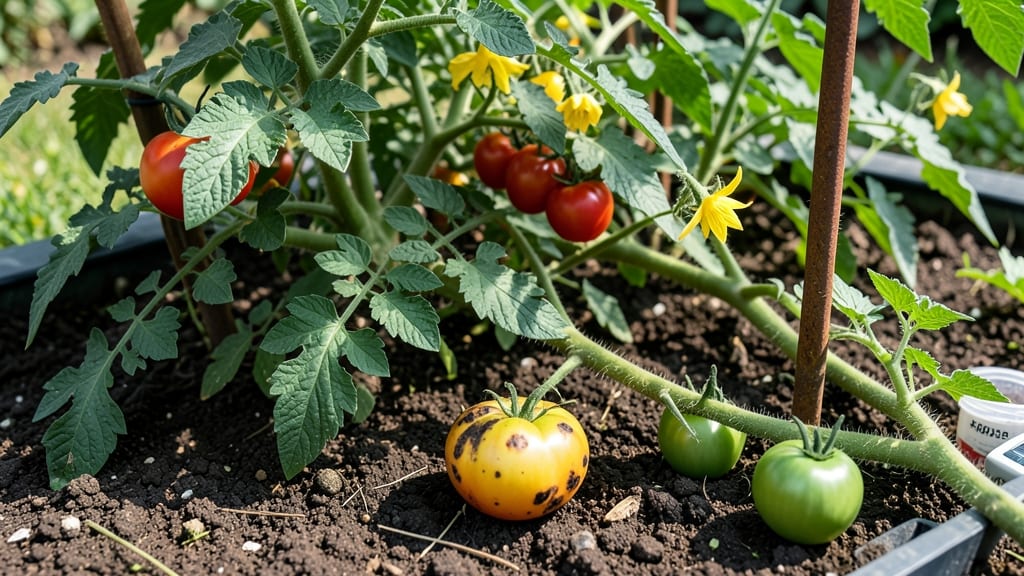
Those dark spots on the tomato fruit aren’t just ugly—they’re a 3-day warning your plants are fighting fungal blight. 🌱 I’ve lost entire harvests to this sneaky disease, but now I know exactly how to stop it before it ruins your season.
The key is acting fast and identifying whether it’s blight, sunscald, or something else entirely.
Most dark spots start as tiny specks that spread like ink in water—especially after rain or when leaves stay wet for hours. Blight spots are usually raised and crusty, while sunscald leaves smooth, pale patches.
The good news? Both can be fixed with simple adjustments to watering, airflow, and even a quick spray treatment. You’ll save more tomatoes than you think.
Within 72 hours, you can halt the spread by removing infected fruit, improving airflow between plants, and applying a copper-based fungicide (organic options work too).
The real secret? Prevention—next season, your tomatoes will stay spot-free with just a few tweaks to your care routine. Let’s get those plants healthy again.
This works for heirlooms, cherry, and beefsteak varieties alike, whether you’re growing in containers or raised beds. The same fixes apply to peppers and eggplants too. No more mystery spots ruining your harvest—just clear, actionable steps to bring back those juicy, blemish-free tomatoes.
Root Causes of Tomato Spots
Dark spots on your tomatoes aren’t just unsightly—they’re a cry for help from your plants! Understanding the why behind these blemishes is the first step to saving your harvest. Below, we break down the most common culprits, from sneaky fungal invaders to environmental stressors, with science-backed explanations and actionable insights.
🍄 Fungi are the #1 reason for dark, sunken, or oily spots on tomato fruit. These microscopic troublemakers thrive in warm, damp conditions and can spread like wildfire if left unchecked.
Early Blight (Alternaria solani)
This fungal disease starts as small, dark brown or black spots with concentric rings (like a bullseye) on the older leaves, then moves to the fruit.
The spots may appear dry and crusty and often have a yellow halo around them. - Why it happens: The fungus overwinters in plant debris or soil, then splashes onto leaves via water (rain, irrigation, or dew).
High humidity and temperatures between 75–85°F (24–29°C) create the perfect breeding ground. - Actionable clue: Check the undersides of leaves first—if you see dark spots there, your fruit is next.
Late Blight (Phytophthora infestans)
A more aggressive cousin, late blight causes greasy, dark brown to black spots that spread rapidly, turning leaves black and mushy.
Unlike early blight, it attacks young leaves and fruit first. - Why it happens: This fungus loves cool, wet conditions (50–77°F / 10–25°C) and can spread via wind, water, or even infected plant material.
It’s especially devastating in humid climates or after heavy rain. - Actionable clue: If spots appear overnight and the plant looks "water-soaked," late blight is likely the culprit.
Fruit Rot (Botrytis cinerea or Rhizopus stolonifer)
Soft, dark, and often mushy spots that spread quickly? Blame fruit rot.
These fungi attack ripe or injured tomatoes, turning them into a slimy mess. - Why it happens: Poor air circulation, overripe fruit touching the soil, or physical damage (like hail or bird pecks) create entry points.
High humidity (above 75%) accelerates growth. - Actionable clue: Check for rotting at the stem end—a classic sign of Botrytis.
🌡️ Sometimes, the problem isn’t a pathogen but your tomatoes’ reaction to their surroundings. Here’s how environmental factors can trigger dark spots:
Sunscald and Heat Stress
Tomatoes left exposed to intense afternoon sun (especially in hot climates) can develop white, bleached patches that later turn dark and leathery. - Why it happens: The fruit’s outer layer (cuticle) gets damaged by UV radiation, causing cells to die.
This is common in greenhouse-grown tomatoes or those with poor leaf cover. - Actionable clue: Look for spots on the sun-exposed side of the fruit—often the top or sides facing south.
Water Stress and Blossom-End Rot
While not a fungal issue, uneven watering can lead to dark, sunken spots at the blossom end of tomatoes (a condition called blossom-end rot). - Why it happens: Calcium deficiency (due to drought or overwatering) disrupts cell wall integrity.
The fruit’s tip lacks structural support, turning dark and leathery. - Actionable clue: Spots start small and watery, then expand into large, firm dark patches. Check your soil moisture—is it consistently dry or soggy?
Physical Damage and Bruising
Bumps, drops, or even wind rub can create dark, discolored patches where the fruit’s skin is broken. - Why it happens: Injured cells release sugars, attracting fungi or bacteria.
Without protection, the area turns black or brown as tissues break down. - Actionable clue: Look for irregular shapes or spots that appear raised or cracked.
🐜 While not the primary cause, pests like hornworms, aphids, or spider mites can weaken tomatoes, making them vulnerable to fungal infections. - Why it happens: Pests damage leaves and fruit, creating entry points for fungi.
Their honeydew (a sugary waste product) also feeds sooty mold, which can darken tomato surfaces. - Actionable clue: Check for chewed leaves, webs, or sticky residue—a sign pests are the unwelcome guests.
Pro Tip 💡: Isolate suspected plants immediately to prevent spread. Scrape off infected fruit (don’t compost it!) and focus on fixing the root cause—whether it’s humidity, watering, or fungal pressure. Next up: How to Treat It in 3 Days.
Quick Fixes for Tomato Spots
Dark spots on your tomato fruit don’t have to mean the end of your harvest. With the right approach, you can often reverse damage and prevent future outbreaks.
Below, we’ve mapped out targeted solutions based on the most common causes—from fungal infections to environmental stress—so you can act fast and effectively. 🌱💪
If your tomatoes are covered in dark, sunken spots (like early blight or late blight), act immediately to prevent spread.
🔥 Remove Infected Plants (First Step)
- Pull out severely affected plants (especially if spots are black, leathery, or oozing).
- Dispose of them in the trash—do not compost—to avoid reinfection.
- Pro tip: 💡 If only a few leaves are infected, prune them below the spot and sterilize your pruners with rubbing alcohol.
🍳 Spray with Copper Fungicide (Best Defense)
- Use a copper-based fungicide (like Copper Soap or Bordeaux Mix) every 5–7 days for 3 weeks.
- DIY alternative: Mix 1 tsp baking soda + 1 quart water + a few drops of dish soap (spray in the evening to avoid leaf burn).
- Coverage matters: Spray both sides of leaves and the soil around plants (fungi lurk there too!).
👨🍳 Improve Airflow & Reduce Moisture
- Space plants 18–24 inches apart to prevent humidity buildup.
- Water at the base (avoid overhead sprinkling)—fungi love damp leaves!
- Mulch with straw (not plastic) to keep soil dry but still allow airflow.
⏰ Monitor & Repeat
- Check plants daily for new spots. If they reappear, switch to a biological fungicide like Serenade ASO (beneficial bacteria).
If spots are dry, brown, and raised (not mushy), your tomatoes are likely suffering from sunburn or calcium deficiency.
🌡️ Provide Shade During Peak Heat
- Use shade cloth (30–50%) on the south or west side of plants if temps hit 90°F+.
- Pro tip: 🌿 Train vines to grow vertically (on a trellis) so fruit doesn’t bake on the ground.
💧 Water Deeply & Consistently
- Water deeply 1–2 times per week (1 inch total) rather than shallow daily watering.
- Avoid wetting leaves at night to prevent fungal hitchhikers.
🥗 Boost Calcium for Stronger Fruit
- Side-dress with crushed eggshells or gypsum (calcium sulfate) around the base.
- Foliar spray: Mix 1 tbsp calcium chloride + 1 gallon water and spray leaves every 2 weeks.
If spots are irregular, chewed, or paired with holes, pests like aphids or fruitworms are likely the culprits.
🔪 Handpick & Trap Pests
- Check fruit daily—remove any with tiny holes or webbing.
- Set up traps: Use yellow sticky traps for aphids or pheromone traps for hornworms.
🍎 Spray with Neem Oil (Safe & Effective)
- Mix 1 tbsp neem oil + 1 tsp mild soap + 1 quart water. Spray early morning or evening.
- Reapply every 5–7 days until pests disappear.
🎯 Encourage Beneficial Insects
- Plant marigolds or basil nearby to attract ladybugs and parasitic wasps (natural pest control).
- Avoid broad-spectrum pesticides—they kill good bugs too!
Stop dark spots before they start with these long-term strategies:
- 💡 Choose resistant varieties: Opt for blight-resistant tomatoes like ‘Mountain Merit’ or ‘Defiant PhR’.
- 🌡️ Rotate crops: Don’t plant tomatoes (or nightshades) in the same spot for 3+ years.
- 🥗 Soil prep: Add compost + mycorrhizal fungi to boost plant health.
- ✨ Early intervention: Inspect plants weekly—catch spots when they’re small!
With these fixes, your tomato plants should bounce back in no time—and next season’s harvest will be spotless! 🍅✨
Frequently asked questions
Can I still eat tomatoes with dark spots?
It depends on the cause! If spots are dry and crusty (like early blight), cut out the affected area—healthy flesh is safe. But if spots are mushy or oozing (like fruit rot), toss the tomato. Always wash fruit thoroughly before eating, even if spots are superficial.
Why do my tomatoes get spots even with good care?
Even with proper watering and spacing, humidity spikes or sudden temperature drops can trigger fungal outbreaks. Check for poor airflow between plants—crowded vines trap moisture, creating perfect conditions for blight. Try pruning leaves to improve circulation.
How do I tell if spots are from blight or sunscald?
Blight spots are raised, crusty, and often ringed (like a bullseye), while sunscald appears as white, leathery patches on sun-exposed sides. Check the underside of leaves—blight starts there, while sunscald only affects fruit directly hit by intense sunlight.
Will baking soda really work for fungal spots?
Yes! A baking soda spray (1 tsp baking soda + 1 quart water + dish soap) creates an alkaline environment fungi hate. Spray evenly on both leaf sides and repeat every 7–10 days. For severe cases, combine it with copper fungicide for better results.
Can I save my tomato plants if spots are already spreading?
Act fast! Remove all infected fruit/leaves immediately, then sterilize tools with rubbing alcohol. Apply a copper fungicide and improve airflow. If the plant is over 50% infected, it’s better to pull it to prevent further spread—save your energy for healthier plants!