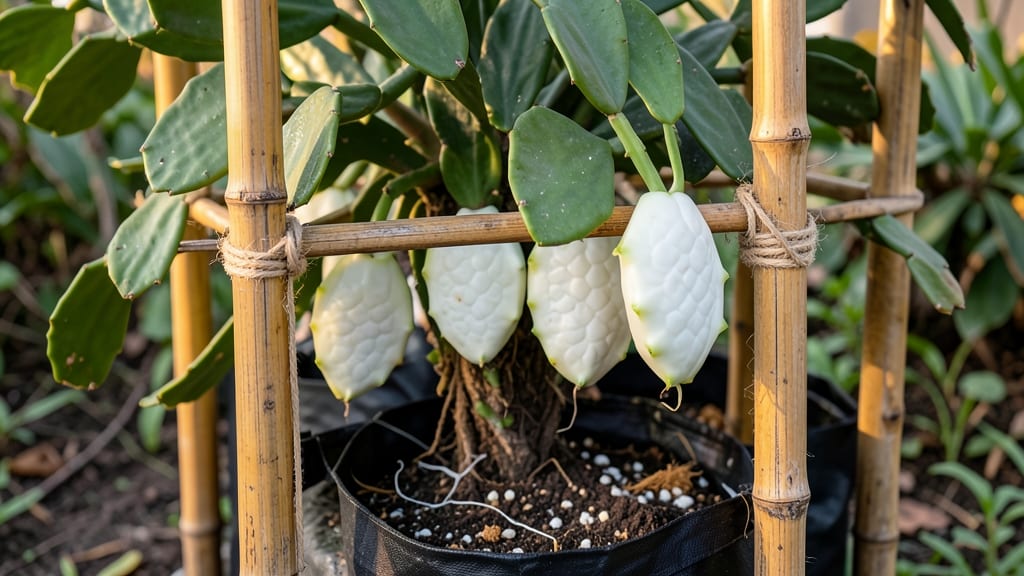
💥 Quick Answer White pitaya fruit is a rare, milder-tasting variety of dragon fruit with creamy white flesh and tiny black seeds, offering a sweeter flavor and slightly lower antioxidant levels than red pitaya while…
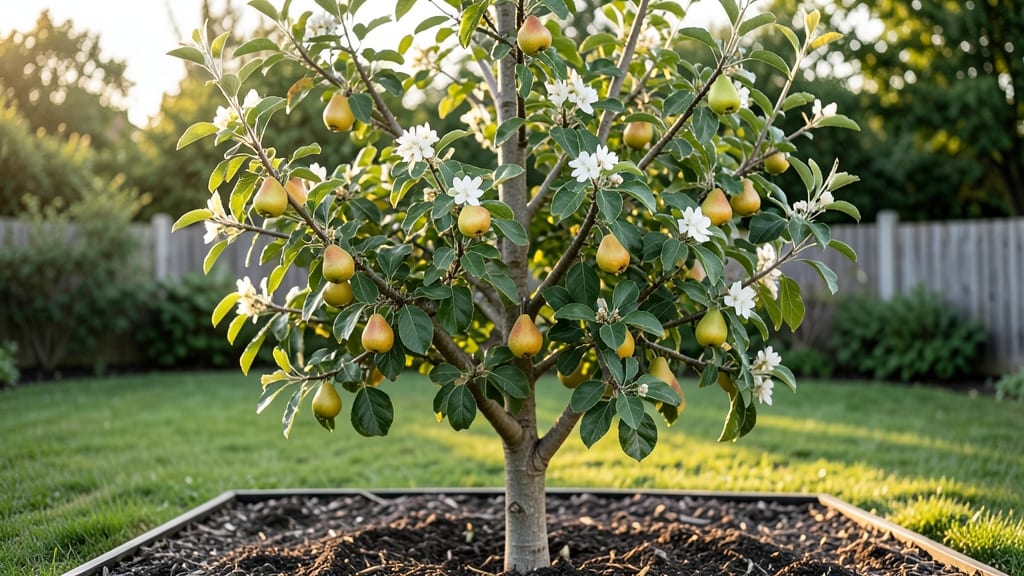
💥 Quick Answer The Chanticleer pear fruit is a rare heirloom variety known for its round shape, golden-yellow skin, and honeyed-sweet flavor with delicate floral undertones. Unlike most pears, it ripens slowly and…
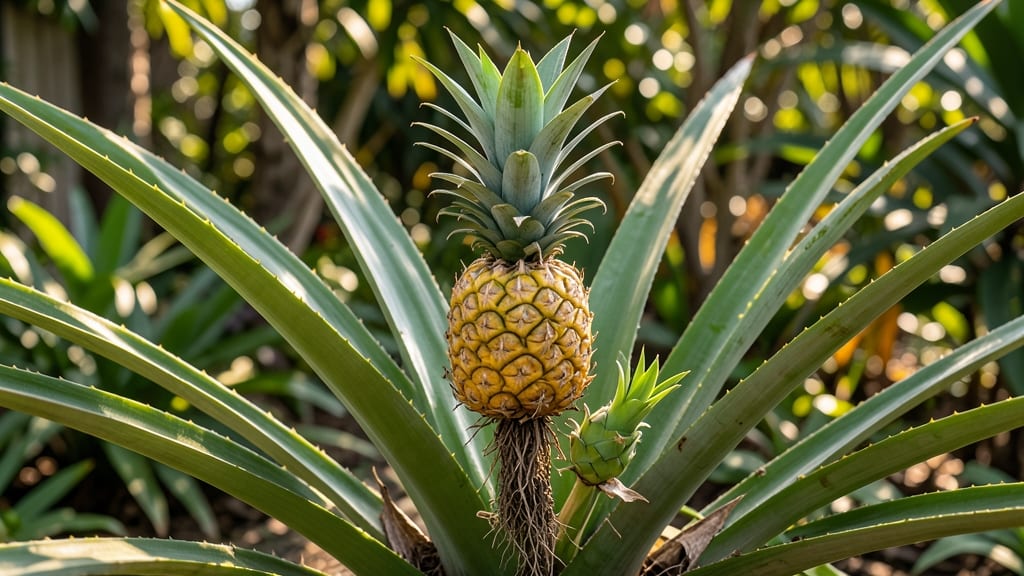
💥 Quick Answer Pineapple plants die after fruiting because they redirect all their energy to producing the fruit, leaving the mother plant depleted. However, small offshoots called pups grow at the base, which you can…
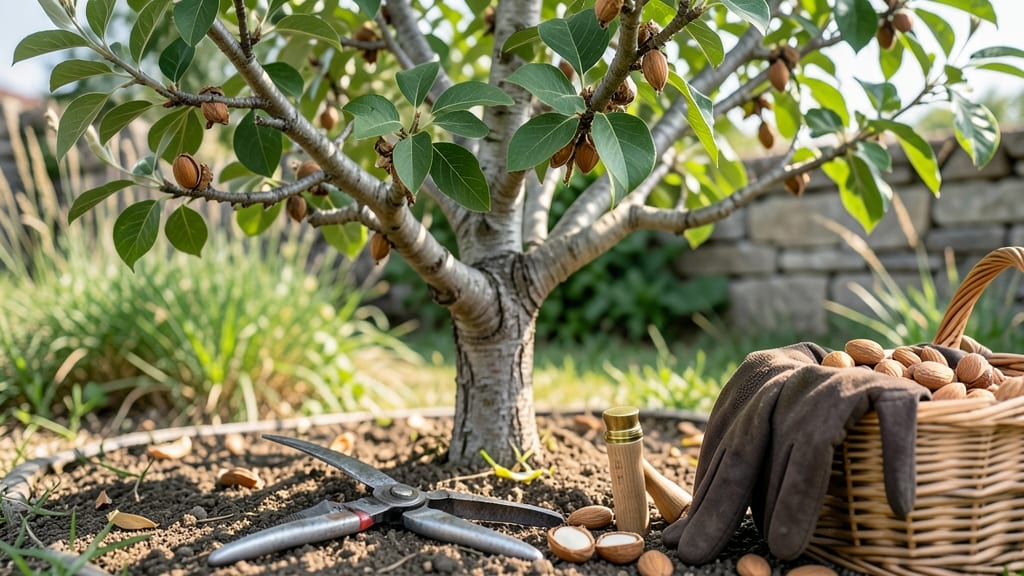
💥 Quick Answer Ripe almond fruit appears as a green, woody husk with a smooth, slightly leathery texture that splits open naturally when mature, revealing the hard shell inside. The hull turns from vibrant green to a…
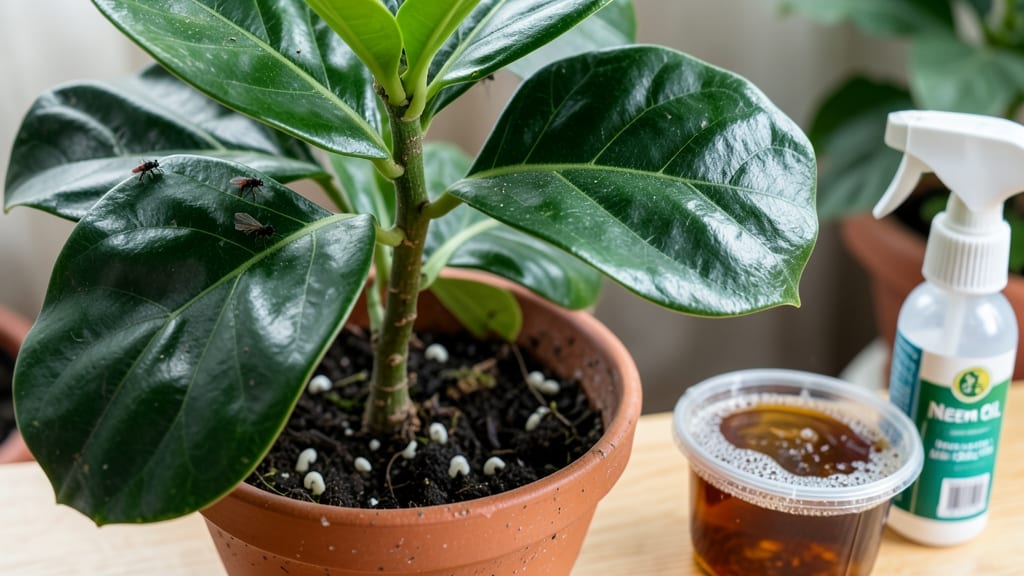
💥 Quick Answer Fruit flies in house plants appear when overripe fruit, rotting plant debris, or excess soil moisture create breeding grounds, but you can safely eliminate them using apple cider vinegar traps…
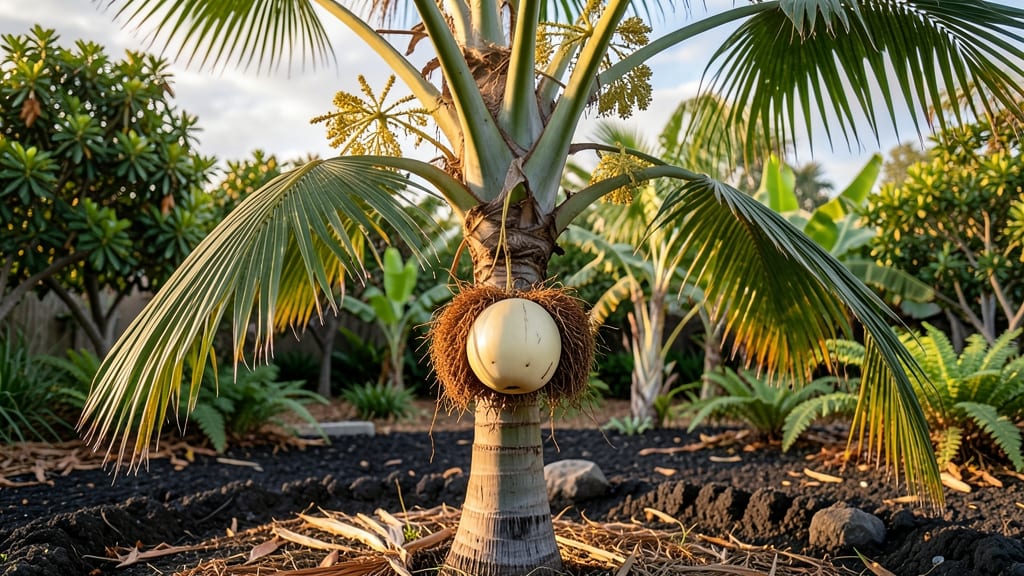
💥 Quick Answer The palm tree fruit name varies by species, but the most accurate term is palm fruit or palm drupe , with common examples like dates (from date palms) or coconuts (from coconut palms). Many mislabel them…
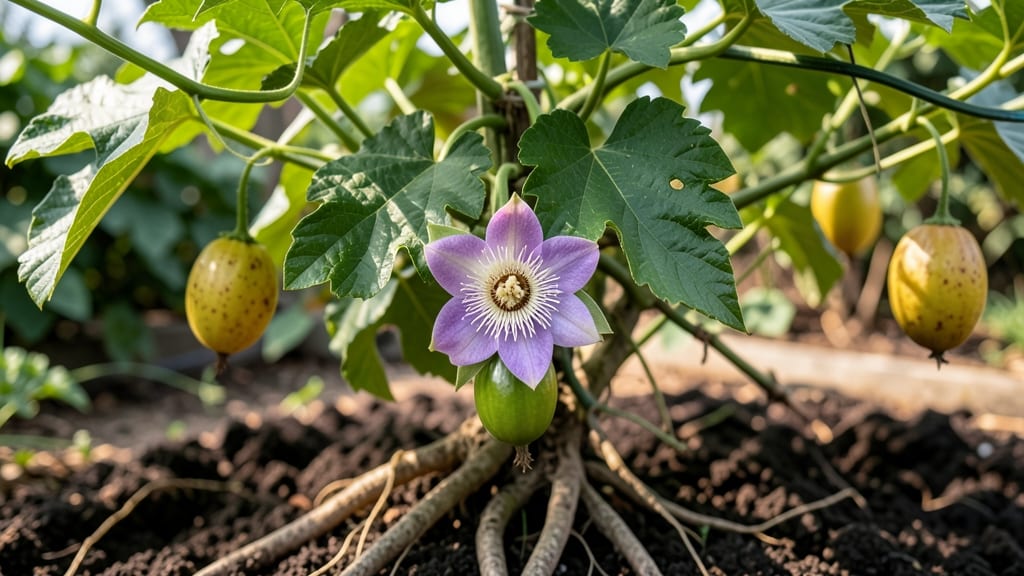
Turning passionfruit flowers into fruit is all about timing, pollination, and a few hidden tricks that most gardeners miss. Did you know that passionfruit flowers contain hidden secrets to dramatically increase your…
I still remember the first time I dug my hands into soil as a kid in my grandmother’s garden in upstate New York—how the earth smelled after rain, how the sun warmed my shoulders as I pulled up carrots.
That moment stuck with me, and now, years later, I’m here to share the joy of growing your own food, whether you’ve got a backyard plot or just a sunny windowsill.
This site is my way of passing along the lessons I’ve learned: the patience it takes, the little tricks that make all the difference, and the quiet satisfaction of harvesting something you’ve nurtured yourself.