
Vegetables
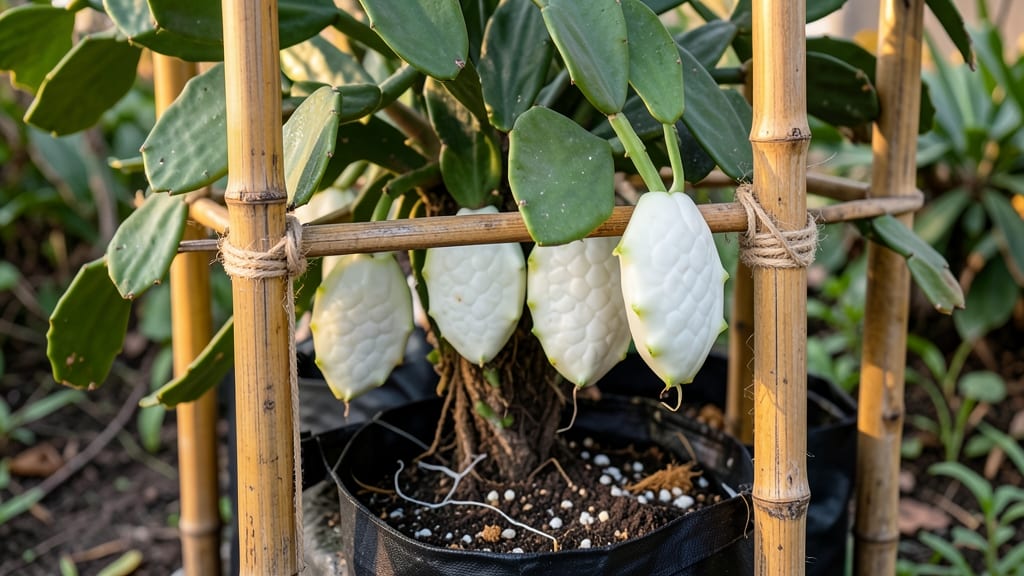
White pitaya fruit is a rare, milder-tasting variety of dragon fruit with creamy white flesh and tiny black seeds, offering a sweeter flavor and slightly lower antioxidant levels than red pitaya while sharing similar vitamins and fiber content.
This exotic fruit, also called white dragon fruit, stands out with its pale interior and delicate sweetness that lacks the tartness of its red cousin. 🌱 Unlike red pitaya, which contains higher levels of betalains (the pigments responsible for its deep color), white pitaya gets its hue from anthocyanins and has a more approachable flavor profile.
Many nutritionists highlight its lower sugar content compared to red varieties, making it a slightly better option for those monitoring blood sugar levels.
What makes white pitaya especially interesting is its unique growing process—it thrives in tropical climates with specific humidity and temperature requirements. The fruit's milder taste comes from its different internal chemistry, where the absence of betalains translates to a smoother eating experience.
I've found that pairing it with citrus or mint enhances its natural sweetness while balancing any subtle earthiness.
💡 In This Article
- White Pitaya vs Red Dragon Fruit: Key Biological and Nutritional Differences
- Growing White Pitaya Fruit: Climate, Soil, and Care Tips for Home Gardens
White pitaya vs red dragon fruit: key biological and nutritional differences
The most striking difference between white pitaya and red dragon fruit lies in their pigmentation chemistry. White pitaya lacks betalains—the vibrant red-violet pigments found in red varieties—which directly impacts both flavor and nutritional content.
Betalains in red pitaya contribute to its slightly tart, earthy notes, while white pitaya's milder sweetness comes from its higher concentration of anthocyanins (though in much smaller quantities than red varieties).
This pigment difference also explains why white pitaya has a lower glycemic index (GI)—typically around 45-50 compared to red pitaya's 55-60, making it a better choice for blood sugar management.
Nutritionally, white pitaya contains slightly less vitamin C (2-3 mg per 100g vs red's 5-7 mg) but compensates with comparable fiber content (2.6g per 100g for both).
The antioxidant profile differs dramatically: red pitaya's betalains provide 15-20% more free radical-scavenging activity, while white pitaya's antioxidants come primarily from polyphenols like gallic acid. The tiny black seeds in white pitaya are also more concentrated with healthy fats (0.5g per 100g) compared to red pitaya's seeds.
Texture plays a role in flavor perception too. White pitaya's flesh has a slightly firmer yet more velvety consistency when ripe, while red pitaya tends to be slightly softer with a grainier texture.
This structural difference affects how the fruit's natural sugars (13g per 100g for both) are released during eating—white pitaya's smoother texture allows its sweetness to dominate without the bitterness that can accompany red varieties when overripe.
Another key distinction is in their growing conditions. White pitaya vines (Hylocereus undatus) require consistent humidity (60-70%) and warmer temperatures (75-85°F) than red varieties, which explains why white pitaya is less common commercially.
The absence of betalains also means white pitaya is more sensitive to light exposure during growth—prolonged sun can cause the flesh to yellow rather than maintain its pristine white color. 🌿
For culinary use, these differences translate to pairing suggestions. White pitaya's sweetness pairs beautifully with citrus zest or mint leaves, while red pitaya's earthier notes work better with spices like cinnamon or ginger.
The white variety's neutral flavor also makes it an excellent base for smoothies or desserts where you want the fruit's natural sweetness to shine without competing flavors.
What most people don't realize is that white pitaya's milder taste comes from its lower acidity level (pH 5.5-6.0) compared to red pitaya's pH 4.5-5.0.
This subtle chemical difference makes white pitaya more versatile in both sweet and savory applications, though its delicate flavor means it shouldn't be overcooked—ideal preparation is either fresh or lightly baked at 350°F for 15-20 minutes to preserve its texture.