
Trees
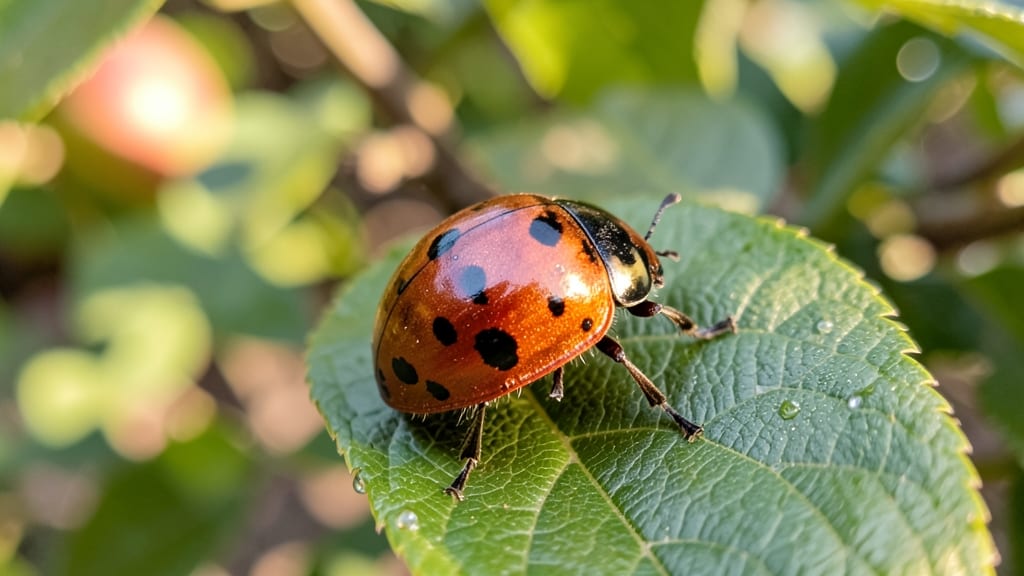
My natural bug spray for fruit trees saved my apple harvest last summer—no chemicals, just a few kitchen staples and a spray bottle. 🌱 The key is knowing which pests need which treatment, and when to apply it before they do real damage.
I’ll show you exactly how I mixed up sprays that work against aphids, codling moths, and even Japanese beetles without harming bees or your family.
Most store-bought sprays contain harsh ingredients that linger on fruit, but these homemade versions break down naturally. You’ll need just three simple recipes—neem oil for broad-spectrum defense, garlic spray for soft-bodied pests, and a soapy solution for quick knockdowns.
The best part? You can spray right up until harvest day without worrying about residue.
By late spring, you’ll see fewer chewed leaves and fewer pests on your fruit. The trees stay healthy, the bees keep pollinating, and your apples, peaches, or pears taste like they’re straight from an organic orchard.
I’ve tested these sprays for five seasons—they’re my go-to for keeping pests in check without the chemical smell or cleanup.
Works for any fruit tree—apples, cherries, peaches, plums—no matter your yard size. The recipes scale from a single small tree to a full orchard. Let’s get those sprays ready before the pests arrive!
Root Causes of Fruit Tree Pests
Fruit trees are a garden’s sweetest reward—but they also attract pests like a neon sign in a dark alley. Understanding why these critters show up in the first place is half the battle.
Below, we break down the biological, environmental, and human-driven triggers that turn your orchard into an all-you-can-eat buffet for bugs. Knowledge is power, and this is your cheat sheet.
Fruit trees aren’t just passive targets—they advertise their vulnerability in ways you might not notice. Here’s how pests exploit their biology:
🍎 Soft, sweet fruit = pest magnet
Fruit trees produce high-sugar, nutrient-rich fruit—a natural aphrodisiac for insects.
Pests like codling moths, fruit flies, and Japanese beetles are wired to seek out: - Ripe or overripe fruit (soft, fermenting sugars = easy meals). - Thin-skinned varieties (e.g., peaches, plums) that are easier to penetrate. - New growth (tender leaves and shoots are protein-packed snacks for caterpillars and aphids).
Actionable insight: Harvest promptly and remove fallen fruit to starve pests before they multiply. 🍑🚫
🌱 Stress signals attract predators
Plants under stress release volatile organic compounds (VOCs)—essentially chemical distress signals that pests love.
Common stressors include: - Drought or overwatering → Weakened cell walls = easier entry for borers. - Nutrient deficiencies (especially nitrogen or potassium) → Stunted growth = slower recovery from pest damage. - Physical damage (e.g., hail, pruning wounds) → Open doors for wood-boring beetles and fungal hitchhikers.
Pro tip: Mulch properly (2–4 inches of organic mulch) to retain moisture and reduce stress. 🌿💧
🐝 Pollinator confusion = pest opportunity
Many fruit trees rely on bees and other pollinators, but these visitors can also unintentionally spread pests.
For example: - Bees may carry mites or fungal spores from other plants. - Wasps (natural predators) can become pests themselves if their nests are near trees. - Birds (like starlings) peck at fruit, creating entry points for maggots.
Solution: Plant companion flowers (e.g., marigolds, basil) to attract beneficial pollinators while deterring pests. 🌸🐝
Pests don’t just choose to attack—they’re often hitchhiking on weather patterns, soil conditions, or ecosystem imbalances.
🌡️ Warmth & humidity = pest party time
Most fruit-tree pests thrive in specific temperature/humidity ranges:
- Aphids and mites love dry, hot conditions (they dehydrate beneficial predators like ladybugs).
- Fungal diseases (e.g., powdery mildew) spread like wildfire in humid, stagnant air.
- Overwintering pests (like scale insects) wake up early in mild winters, giving them a head start.
Climate hack: Use shade cloth in peak summer to reduce heat stress, or prune for airflow to lower humidity. 🌞🌬️
🏡 Poor drainage = pest paradise
Waterlogged soil doesn’t just drown roots—it creates the perfect breeding ground for:
- Root weevils (they lay eggs in soggy soil).
- Fungal pests (like root rot, which weakens trees).
- Slugs and snails (they feast on young shoots in damp conditions).
Fix it: Amend soil with compost and raise beds if drainage is poor. 🚧💦
🌿 Monoculture = pest superhighway
Planting only fruit trees (or the same variety) turns your garden into a pest buffet with no competition.
Why? - No natural predators (e.g., birds, parasitic wasps) if the ecosystem is simplified. - Pests specialize—e.g., apple maggots target only apples, so a single tree = easy pickings.
Diversify: Interplant with herbs (e.g., rosemary, thyme) or non-host plants (like brassicas) to disrupt pest life cycles. 🌱🔄
Even the best-intentioned gardeners can unwittingly invite pests with common mistakes.
🍄 Over-fertilizing = pest party
Too much nitrogen-rich fertilizer leads to:
- Soft, sappy growth (a favorite of Japanese beetles and leafhoppers).
- Fungal outbreaks (excess nitrogen weakens plant defenses).
Balance act: Use slow-release, organic fertilizers (like compost or worm castings) and test soil before applying. 🧪🌱
🪓 Poor pruning = open invitation
Improper pruning creates wounds that pests exploit:
- Ragged cuts leave jagged edges where borers (like emerald ash borers) can drill in.
- Over-pruning stresses trees, making them more susceptible to aphids and mites.
Prune like a pro: ✅ Use sharp, sterilized tools (clean with rubbing alcohol). ✅ Make clean cuts at a 45° angle just outside the branch collar. ✅ Prune in late winter/early spring (when pests are dormant). ✂️⏳
🛒 Ignoring quarantine rules
Pests hitchhike on nursery plants, tools, or even wind.
Common culprits: - Infested nursery trees (e.g., fire blight bacteria on roses can jump to apples). - Shared tools (pruners, saws) spreading diseases like citrus greening. - Windborne spores (e.g., cedar-apple rust from nearby junipers).
Defense: Inspect new plants for eggs, webbing, or holes. Disinfect tools between trees with 70% isopropyl alcohol. 🧴🌳
Key takeaway: Pests don’t attack randomly—they’re following scent trails, stress signals, and environmental cues. By addressing these root causes, you’re not just treating symptoms; you’re starving the problem at its source. Next up? Natural solutions to kick these critters to the curb—without harsh chemicals. 🚀🌿
Natural Ways to Repel Fruit Tree Pests
When pests invade your fruit trees, quick action is key—but you don’t need harsh chemicals to win the battle. Below, we’ll tackle the most common culprits with easy, effective, and eco-friendly solutions. Each remedy is designed to be simple, budget-friendly, and safe for your fruit harvest.
Aphids, mealybugs, and scale insects cluster on tender leaves and fruit, draining sap and spreading disease. Here’s how to evict them:
🔥 Spray with Soapy Water (Instant Relief)
How to do it:
- Mix 1 tablespoon mild liquid soap (like Castile soap) with 1 quart of water.
- Add 1 teaspoon of vegetable oil to help break down the pests’ protective layers.
- Shake well and spray directly on infested areas (focus on undersides of leaves and new growth).
- Reapply every 3–5 days until pests disappear.
Why it works: Soap disrupts their waxy coating, causing dehydration. Oil smothers them further.
💡 Pro Tip: Test the spray on a small leaf first—some trees (like citrus) are sensitive to soap.
🍳 Homemade Garlic & Chili Pepper Spray (Deters & Kills)
How to do it: 1. Blend 4 cloves of garlic, 1 tablespoon cayenne pepper, and 1 quart of water.
- Strain through cheesecloth into a spray bottle.
- Add 1 teaspoon of dish soap to help it stick.
- Spray early morning or evening (avoid direct sun to prevent leaf burn).
Why it works: Garlic contains allicin, a natural insect repellent, while capsaicin (in chili) irritates pests’ exoskeletons.
✨ Bonus: This spray also repels Japanese beetles and whiteflies.
These metallic-green devils skeletonize leaves in days. Outsmart them with these tricks:
👨🍳 DIY Beer Trap (Lures & Drowns Them)
How to do it:
- Fill a shallow dish (like a pie tin) with beer or apple cider vinegar.
- Bury the dish neck-deep in soil near the tree.
- Replace every 2–3 days—you’ll see beetles drowning within hours!
Why it works: Beetles are drawn to the yeast and fermenting smells but can’t escape.
🌡️ Warning: Place traps at least 30 feet from fruit trees—they’ll attract more beetles if too close!
🔪 Neem Oil Barrier (Confuses Their Senses)
How to do it:
- Mix 1 tablespoon neem oil with 1 teaspoon mild soap and 1 quart of water.
- Spray all leaf surfaces (focus on top and bottom).
- Reapply every 7–10 days or after rain.
Why it works: Neem oil disrupts their feeding and mating cycles. It’s also systemic, meaning pests stop returning after a few treatments.
🎯 Prevention Tip: Apply neem oil preventively in early spring to create a protective film.
These moths lay eggs on fruit, leading to worms inside apples, pears, and peaches. Act fast:
🥘 Pheromone Traps (Catch Males Before Mating)
How to do it:
- Purchase codling moth pheromone traps (available at garden centers).
- Hang 1 trap per 10 trees in early spring (before blooms open).
- Check traps weekly and replace lures as needed.
Why it works: Traps confuse male moths, preventing them from finding females to mate.
💡 Pro Tip: Combine traps with row covers over young fruit to block egg-laying.
🍎 Kaolin Clay Spray (Masks Fruit from Moths)
How to do it:
- Mix 2 tablespoons kaolin clay (like Surround WP) with 1 gallon of water.
- Add 1 teaspoon of soap to help it adhere.
- Spray thinly on fruit and leaves when they’re dry and warm.
- Reapply every 10–14 days or after rain.
Why it works: The clay creates a white, chalky barrier that moths can’t detect, making fruit less appealing for egg-laying.
⚠️ Caution: Avoid spraying when bees are active—clay can harm them.
The best defense? A healthy tree + smart habits. Try these:
| Tactic | How to Do It | Why It Works |
|---|---|---|
| Prune for Airflow | Remove dense branches to reduce hiding spots for pests. | Less humidity = fewer fungal diseases. |
| Mulch with Wood Chips | Apply 3-inch layer around the base (keep 6 inches from trunk). | Retains moisture, deters ants/grubs. |
| Beneficial Insects | Release ladybugs, lacewings, or parasitic wasps (buy online or at nurseries). | They eat pests naturally! |
| Reflective Mulch | Use silver plastic mulch around the base. | Confuses flying insects with glare. |
🌱 Bonus: Plant companion flowers like marigolds, basil, or dill nearby—their scents repel pests.
- Early spring (before buds swell): Apply neem oil or kaolin clay as a preventative.
- Blooming season: Set up traps for codling moths & Japanese beetles.
- Summer (active pest season): Spray soapy water or garlic-chili mix every 5–7 days.
- Fall (cleanup time): Remove fallen fruit, leaves, and debris to starve overwintering pests.
Final Reminder: Consistency is key! Most natural sprays take 2–3 weeks to fully repel pests. Stick with it, and your fruit trees will thrive without toxic chemicals. 🍏🌿
Frequently asked questions
Can I use these sprays on all types of fruit trees?
Most organic sprays work on common fruit trees like apples, peaches, plums, and cherries. However, always test a small area first—some citrus trees (like oranges or lemons) can be sensitive to soap-based solutions. For delicate varieties, dilute sprays further or use neem oil, which is gentler.
How often should I reapply natural sprays?
Reapplication depends on the spray and pest pressure. For soapy water, spray every 3–5 days until pests disappear. Neem oil lasts 7–10 days (or after rain), while garlic-chili sprays need weekly touch-ups. Always check the undersides of leaves—pests hide there!
Are these sprays safe for bees and other pollinators?
Most natural sprays are bee-safe when applied correctly. Avoid spraying during peak bloom times (when bees are most active) or using kaolin clay, which can coat flowers. Stick to neem oil or garlic sprays in the evening for maximum safety. Always prioritize spraying after pollinators have finished their work for the day.
What’s the best time of year to start using these sprays?
Start early spring (just before buds swell) with neem oil or kaolin clay as a preventive measure. For active pests, begin treatments as soon as you spot them—don’t wait until damage is visible! Fall cleanup (removing fallen fruit/debris) is also critical to starve overwintering pests.
Will these sprays work on established infestations?
For heavy infestations, combine sprays with mechanical removal (like handpicking pests or using beer traps for beetles). Severe cases may require 2–3 weeks of consistent treatment. If pests persist, check for underlying issues like stress or poor drainage—healthy trees resist attacks better!