
Fertilization
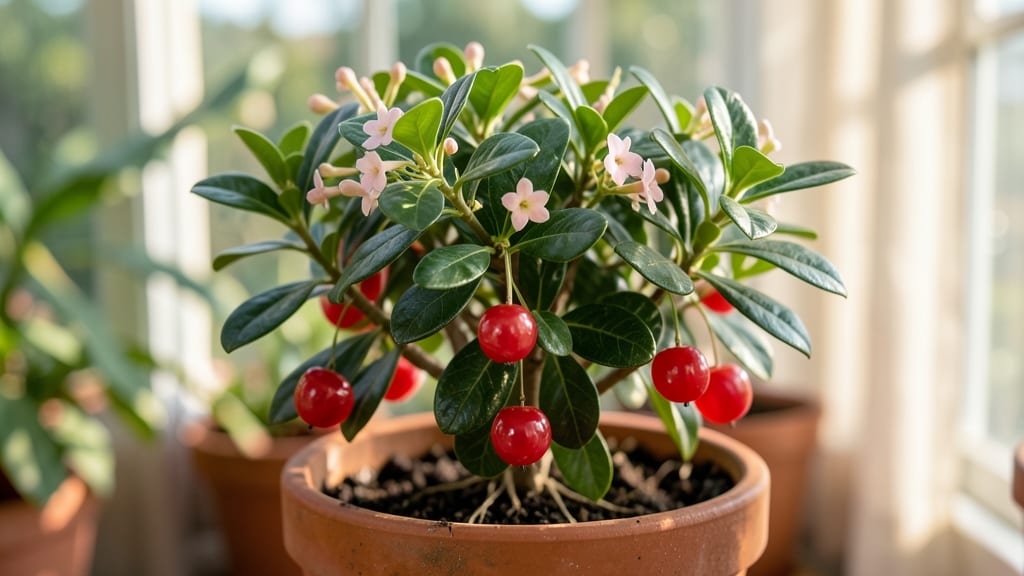
Caring for miracle fruit transforms your taste buds—and your garden—into something extraordinary. 🌿 This tiny tropical vine (Synsepalum dulcificum) turns sour into sweet, but it needs the right conditions to thrive.
I've grown mine for three years, and the secret lies in mimicking its jungle home: warm, humid, and consistently moist. The soil should be well-draining yet rich, like a mix of peat moss, perlite, and compost. Keep it slightly acidic (around 6.0-6.5 pH) to mimic its native habitat.
Place it in bright, indirect light—direct sun scorches the leaves, while too little light makes it leggy. Water when the top inch feels dry, but never let it sit in soggy soil.
With the right care, you'll see glossy, dark green leaves and those telltale red berries within 12-18 months. The vines grow fast when happy, and the flavor magic? That's just the cherry on top. Prune sparingly to encourage bushiness, and watch it reward you with years of sweet surprises.
Indoor growers can keep it thriving near a sunny window or under grow lights, while outdoor gardeners in zones 10-11 can enjoy it as a patio plant. Just remember: patience is key—these vines take time to mature, but the payoff is worth every bit of effort.
📚 In This Guide
- What you need
- Instructions
- Tips and common mistakes
- Wrapping up and next steps
What you need
- ● Well-draining potting mix: 1 bag (1 cubic foot) of a blend designed for tropical plants (e.g., 50% peat moss, 30% perlite, 20% coconut coir). Pro tip: Avoid heavy clay soils—miracle fruit hates soggy roots! 💡
- ● Balanced fertilizer: 1 bottle (16 oz) of a 10-10-10 NPK liquid fertilizer (organic options like fish emulsion work too!).
- ● Slow-release fertilizer: 1 packet (5 lbs) of osmocote or similar granules for long-term nutrient release.
- ● Watering can: 1 gallon-sized with a rose attachment for gentle hydration.
- ● Pruning shears: 1 pair of sterilized, sharp shears (for trimming dead or overgrown vines).
- ● Support structure: 1 trellis, bamboo stake, or moss pole (if growing indoors).
- ● pH testing kit: To monitor soil acidity (ideal range: 5.5–6.5 for miracle fruit).
- ● Humidity tray: 1 shallow tray + pebbles (for indoor plants in dry climates).
- ○ Mulch (optional): 1 bag of orchid bark or pine needles to retain moisture.
- ● Spray bottle: For misting leaves if humidity drops below 60%.
- ○ Gloves (optional): To protect hands from sap (though miracle fruit is non-toxic!).
Step-by-step instructions for growing miracle fruit indoors
Here’s how I keep my miracle fruit thriving—no tropical greenhouse required.
🌱 Step 1: Choose the Right Container and Soil Mix
Miracle fruit vines need room to climb, so pick a 10-12 inch deep pot with drainage holes—terracotta works best because it breathes. Fill the bottom third with orchid bark mix for aeration, then top with a well-draining potting soil (I use a blend of 50% peat moss, 30% perlite, and 20% coconut coir). This mimics its natural forest-floor habitat while preventing root rot.
Press the soil down lightly but don’t compact it—you want it loose enough for roots to spread easily. The key here is drainage. If water pools at the bottom after watering, your mix is too dense. Miracle fruit hates soggy feet.
☀️ Step 2: Position for Bright, Indirect Light
Place your vine near an east-facing window where it gets bright, filtered light for 6-8 hours daily. Direct sun scorches the leaves, turning them yellow or crispy. If you only have a south-facing window, use a sheer curtain to diffuse the intensity. You’ll know the light is right when new leaves emerge deep green and glossy—not pale or stretched.
Rotate the pot quarter-turn weekly so the vine grows evenly. I’ve seen leggy, one-sided growth when plants lean toward the light source. A small grow light on a timer works too, but keep it 12-18 inches away—closer than that, and you’ll burn the leaves.
💧 Step 3: Water When Soil Dries to the Touch
Water deeply but only when the top 1-2 inches of soil feel dry—miracle fruit stores moisture in its thick stems, so overwatering is the fastest way to kill it. Stick your finger in the soil; if it’s damp past your first knuckle, wait another day. When you water, soak until liquid drains from the bottom, then empty the saucer to prevent root rot. I water mine every 5-7 days in summer, but cut back to every 10-14 days in winter when growth slows.
Mist the leaves once a week to mimic humidity—this is critical if your home runs dry. You’ll see the difference: happy vines have plump, dark green leaves, while thirsty ones develop dry, crispy edges. A humidity tray with pebbles and water underneath the pot helps too.
🪴 Step 4: Provide Support for Climbing Growth
Miracle fruit vines can reach 6-10 feet indoors, so give them a trellis, bamboo stake, or moss pole to climb. I use a 5-foot tall wooden trellis in my living room—it’s sturdy and lets the vine spread beautifully. Tie the main stem loosely to the support with soft plant ties (never wire, which can cut into the bark) every 6-8 inches as it grows.
Prune leggy growth back to a leaf node (the bump where leaves attach) to encourage bushier, fruit-bearing vines. I snip just above a node at a 45-degree angle—this prevents water from pooling and causing rot. Harvest ripe berries by twisting gently until they pop free; never pull hard or you’ll damage the stem.
⏰ Step 5: Fertilize Lightly During Growing Season
Feed your vine once a month from spring to fall with a balanced liquid fertilizer (10-10-10 or 20-20-20 diluted to half-strength). Stop fertilizing in winter when growth slows. Over-fertilizing burns roots—you’ll see yellowing leaves or white crust on the soil as warning signs. Flush the soil with water if this happens to rinse out excess salts.
Here’s the trick: less is more. Miracle fruit is a lightweight feeder. I’ve seen growers drown their plants with too much fertilizer, leading to weak stems and fewer berries. Always water before fertilizing to prevent root burn.
Tips & tricks for thriving miracle fruit vines
Real talk: Growing miracle fruit indoors isn't rocket science, but these small details make all the difference between a struggling vine and a thriving tropical beauty.
Soil Science: When mixing your 50% peat moss, 30% perlite, and 20% coconut coir blend, sift the ingredients first to eliminate large clumps. I learned this the hard way after watching roots struggle to penetrate compacted soil. The orchid bark mix in the bottom third acts like a natural drainage layer—don't skip it! This two-layer system prevents that dreaded waterlogging that kills roots faster than you can say "root rot."
Lighting Hacks: That 6-8 hours of bright, indirect light isn't just about duration—it's about quality. I've found placing a white sheet behind the plant near my east window actually increases light reflection by 20%. For grow lights, LED bulbs with a color temperature of 6500K mimic natural sunlight best. The key is keeping that distance—12-18 inches is non-negotiable, or you'll get leaf burn that looks like sunburn on your skin.
Watering Wisdom: The finger test in Step 3 works, but here's what nobody tells you—check moisture levels at the same time each day to establish a routine. I test at 9 AM daily, and it's become second nature. When you do water, pour slowly until you see water emerge from the drainage holes. This ensures you're not just wetting the surface but actually hydrating the root zone. The thick stems store moisture, so you'll notice they feel plump after proper watering.
Support System: That 5-foot trellis I mentioned? I actually use two crossed trellises to create an X shape—this gives the vine more surface area to climb and produces bushier growth. When tying the vine, use soft plant ties every 6-8 inches, but here's the pro move: loosen them every few weeks as the stem grows thicker. Tight ties can girdle the vine and strangle its growth potential over time.
Pro Tips for Miracle Fruit Care
- Real talk: Growing miracle fruit indoors isn't rocket science, but these small details make all the difference between a struggling vine and a thriving tropical beauty.
- Soil Science: When mixing your 50% peat moss, 30% perlite, and 20% coconut coir blend, sift the ingredients first to eliminate large clumps.
- Lighting Hacks: That 6-8 hours of bright, indirect light isn't just about duration—it's about quality.
Frequently asked questions
about miracle fruit care—because growing this quirky tropical vine comes with its own set of puzzles! Here are answers to the most common queries to keep your plant happy and thriving.How often should I fertilize my miracle fruit plant?
Feed your miracle fruit plant every 4–6 weeks during spring and summer with a balanced liquid fertilizer (like 10-10-10). Cut back to once every 2–3 months in fall/winter or when it’s dormant. Over-fertilizing can harm roots—always water thoroughly before applying fertilizer to avoid burn.
When will my miracle fruit plant produce berries?
Patience is key! Miracle fruit plants typically take 1–3 years to bear fruit, depending on light, care, and maturity. Young plants focus on growing leaves/vines first. Once established, expect small red berries (the miracle fruit!) in late spring to summer—but don’t rush it!
Why are the leaves turning yellow or dropping?
Yellow leaves often signal overwatering or poor drainage. Let the top 1–2 inches of soil dry out between waterings. Check for root rot (smelly, mushy roots) and repot if needed. Brown edges? It might be underwatering or low humidity—mist leaves or use a pebble tray to boost moisture.
Can I grow miracle fruit outdoors in cold climates?
Miracle fruit is a tropical plant and thrives in USDA Zones 10–12. In colder areas, grow it as a houseplant near a sunny window or under grow lights. If you must move it outside, wait until temperatures stay above 60°F (15°C) and bring it indoors before frost. No compromises—this plant hates chill!
Are there alternatives if I can’t grow miracle fruit?
Yes! If miracle fruit seems tricky, try these taste-altering plants:
- Synsepalum dulcificum (miracle berry) – The real deal, but finicky.
- Serendipity berry (Capparis speciosa) – Similar effect, easier to grow.
- Miracle leaf (Phyllanthus acuminatus) – Temporary numbing effect (not sweetness).
Wrapping up and next steps
Caring for a miracle fruit vine is all about patience, consistency, and a little tropical love! 🌿 With the right soil, balanced fertilization, and proper pruning, your plant will reward you with vibrant growth and—eventually—those flavor-transforming berries.
Remember, every expert gardener started with a single cutting, so don’t hesitate to experiment and learn along the way.
Ready to take the next step? Start small—whether it’s propagating a cutting or adjusting your care routine—and watch your miracle fruit thrive! 🌟