
Propagation
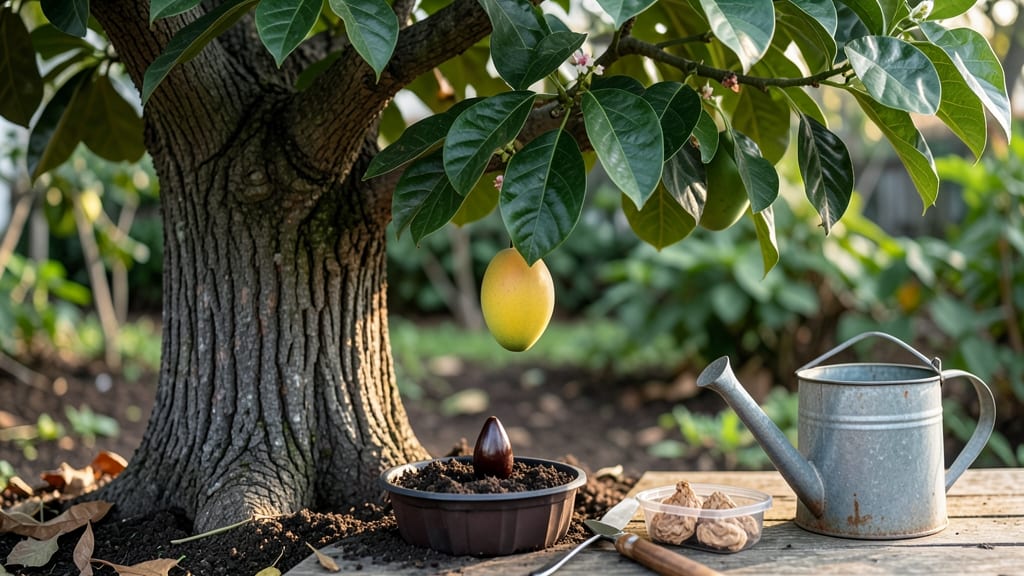
Growing a mango tree from seed to fruit is the ultimate long-term gardening project—one that turns a tiny seed into a tropical treasure. 🌱 I’ve watched my own seedling grow from a 2-inch sprout to a 6-foot tree bearing its first fruit, and the patience pays off in sweet, juicy rewards.
The key lies in understanding each stage’s unique needs, from the delicate germination phase to the precision pruning that shapes a productive tree.
This isn’t a quick process—it takes 3-5 years before your tree flowers, and another year or two for fruit—but the journey is worth it. You’ll need warm climates (zones 10-11), well-draining soil, and a spot with full sun.
The real magic happens when you combine proper watering, strategic pruning, and a little help with pollination (yes, even mango trees need it!).
By the time your tree matures, you’ll have a 20-foot tropical giant producing 50+ pounds of fruit per season, with glossy green leaves that smell like sunshine. The first harvest is the sweetest victory, but the real joy comes from watching your tree thrive year after year.
Let’s break down every step so you can grow one too.
Fair warning: mango trees are high-maintenance in cooler climates, but if you live in the right zone, this project will change how you think about gardening forever. The patience and care you invest now will pay off in decades of harvests—imagine slicing into your own fruit in 5 years!
Here’s how to make it happen.
📚 In This Guide
- What you need
- Instructions
- Tips and common mistakes
- Wrapping up and next steps
What you need
- ● Mango seeds: 1-2 fresh, plump seeds (from a ripe, organic mango—avoid hybrid varieties for best results)
- ● Potting soil: 1 bag (10-15 lbs) of well-draining, organic potting mix (or a blend of 60% peat moss, 30% perlite, and 10% coconut coir)
- ● Growing containers: 1 small nursery pot (4-6 inches in diameter) for germination
- ● 1 larger pot (12-15 inches in diameter) for young seedlings (with drainage holes!)
- ● Watering can or spray bottle: 1 (with a fine mist setting for seedlings)
- ● Sunlight access: A sunny spot (6+ hours of direct sunlight daily, or a grow light for indoor setups)
- ● Fertilizer: 1 bottle of balanced, organic fertilizer (e.g., 10-10-10 NPK) or compost tea
- ● Pruning shears: 1 pair (for shaping and maintaining the tree)
- ○ Grafting tools (optional): Grafting knife and tape (if you want to speed up fruiting by grafting a known variety)
- ● Mulch: Straw or wood chips (to retain moisture and regulate soil temperature)
- ○ pH testing kit (optional): To monitor soil acidity (ideal range: 5.5–7.0)
- ● Pest control: Neem oil or insecticidal soap (for aphids, mites, or fungal issues)
Step-by-step instructions for growing a mango tree from seed to fruit
Here’s how I’ve grown thriving mango trees from seed—with the pruning tricks that ensure fruit production.
🌱 Step 1: Germinate the Seed and Transplant into Soil
Start by soaking your mango pit in warm water for 24 hours to soften the hard shell. Place it between two damp paper towels in a sealed plastic bag, then wait 2-4 weeks until a 1-inch sprout emerges. This is your signal to move it to soil.
Fill a 4-inch pot with well-draining potting mix (equal parts perlite and peat moss). Plant the seed ½ inch deep, leaving the sprout above soil. Keep the pot in bright, indirect light and maintain 70-80°F for best growth. Water when the top inch of soil feels dry—never let it stay soggy.
☀️ Step 2: Move to Sunlight and Encourage Strong Growth
Once the seedling reaches 6 inches tall, transition it to full sun (at least 6 hours daily). Mango trees thrive in warm climates, so if you’re in a cooler zone, use a grow light for 12-14 hours/day. You’ll notice leaves darken and stems thicken—this means it’s adapting well.
Fertilize lightly with a balanced 10-10-10 mix every 4 weeks once the tree has 4-5 leaves. Over-fertilizing now causes weak, leggy growth. Pinch back the top set of leaves when the tree hits 12 inches to encourage bushier branching.
✂️ Step 3: Prune for Fruit Production (Year 2+)
When your tree is 2-3 feet tall, prune to shape it into a central leader (one main trunk). Remove suckers (shoots at the base) and crossing branches—these compete for energy. Cut just above a bud or leaf node to prevent dead wood.
In late winter, prune again to open the canopy. Aim for an airy structure with branches spaced 12 inches apart. This improves airflow, reducing disease and letting sunlight reach developing fruit. You’ll see small flower buds form in spring—this is your first sign of future mangoes!
🍈 Step 4: Support Fruit Development and Harvest
Once flowers appear, thin them to 1-2 per cluster—too many fruits drain the tree. Water deeply once a week during dry spells, keeping soil moist but not waterlogged. Mangoes need consistent moisture to develop properly.
Harvest when the fruit slips easily from the tree and skin turns deep yellow/orange. If you’re in a cooler climate, bring potted trees indoors before temperatures drop below 50°F. With patience, your tree can bear fruit in 3-5 years—and with precision pruning, it’ll keep producing for decades.
Tips & tricks for growing a thriving mango tree
Here's what I've learned from years of growing mango trees from seed to fruit—tricks that'll help you avoid common pitfalls and get the best results.
Germination Patience: Those 2-4 weeks of waiting for a 1-inch sprout can feel endless, but don't rush it! The 24-hour warm water soak is crucial—it weakens the hard shell just enough for the sprout to break through. I've seen seeds sprout in as little as 10 days or take up to 6 weeks, so don't be discouraged if yours takes longer. Keep the paper towels consistently damp (not soggy) during this time.
Light Transition Strategy: When moving your 6-inch seedling to full sun, do it gradually over 7-10 days. Start with just 2 hours of direct sunlight and increase by 1 hour each day. This prevents sunburn on tender leaves. In cooler climates, I've found that supplementing with grow lights for 12-14 hours creates the same effect as natural tropical sunlight—just position the light 6-12 inches above the plant.
Pruning Precision: In Step 3, when pruning your 2-3 foot tree, make cuts at a 45-degree angle just above a leaf node or bud. This creates a natural shield that protects the cut from moisture and disease. I always use sharp, clean pruners to avoid crushing the stems. For the late winter pruning, aim to remove about 20-30% of the previous year's growth—this opens up the canopy while maintaining the tree's structure.
Fruit Development Secret: The flower thinning step in Step 4 is where most people make mistakes. Leave only 1-2 flowers per cluster, but don't remove all flowers from a branch—this maintains the tree's energy balance. I've found that trees with too many fruits produce smaller, less flavorful mangoes. Also, watch for small red or pink flower buds in spring—they're your first sign of potential fruit!
Pro Tips for Mango Tree From Seed To Fruit
- Here's what I've learned from years of growing mango trees from seed to fruit—tricks that'll help you avoid common pitfalls and get the best results.
- Germination Patience: Those 2-4 weeks of waiting for a 1-inch sprout can feel endless, but don't rush it!
- Light Transition Strategy: When moving your 6-inch seedling to full sun, do it gradually over 7-10 days.
Frequently asked questions
Got questions about growing a mango tree from seed?
Here are answers to the most common ones—so you can avoid pitfalls and maximize your harvest!
How long does it take for a mango seed to sprout?
A mango seed typically sprouts within 2–4 weeks if kept in warm, moist conditions (75–85°F). Patience is key—some seeds take up to 6 weeks, especially in cooler climates. Pro tip: Soak the seed overnight before planting to speed up germination!
When will my mango tree produce fruit?
Seed-grown mango trees usually take 5–7 years to bear fruit, but some varieties may take even longer. Grafted trees (from nurseries) fruit in 3–5 years. Fun fact: The first fruits may be small or inconsistent—pruning and care improve yield over time!
Can I grow a mango tree indoors?
Mango trees thrive outdoors in tropical/subtropical climates, but you can try dwarf varieties indoors near a sunny window. Expect slower growth and minimal fruit production. For best results, move potted trees outside during warm months. Warning: They’re heavy—ensure a sturdy pot and drainage!
Why isn’t my mango seedling growing?
Common issues include overwatering (root rot), low light (leggy growth), or nutrient deficiency (yellow leaves). Check soil moisture (keep it damp but not soggy) and ensure 6+ hours of sunlight daily. Fix: Fertilize lightly with citrus-specific food every 2 months!
Should I graft my seedling for better fruit?
Yes! Seedlings often produce small, inconsistent fruit due to genetic variability. Grafting with a known variety (like ‘Keitt’ or ‘Haden’) ensures larger, sweeter fruit and faster maturity. Nurseries offer grafting services or DIY kits for advanced growers. Bonus: Grafted trees bear fruit 2–3 years sooner!
Wrapping up and next steps
Growing a mango tree from seed to fruit is a rewarding journey that blends patience, care, and a dash of tropical magic! 🌱 From nurturing your seedling to mastering precision pruning, every step brings you closer to a bountiful harvest.
With the right techniques, you’re not just cultivating a tree—you’re creating a legacy of sweet, sun-kissed fruit.
Ready to take the next step? Start by selecting the ripest mangoes from your local market or garden—your future harvest begins with a single seed! Plant it today, and in a few years, you’ll be savoring the fruits of your labor. Happy growing! 🌴