
Trees
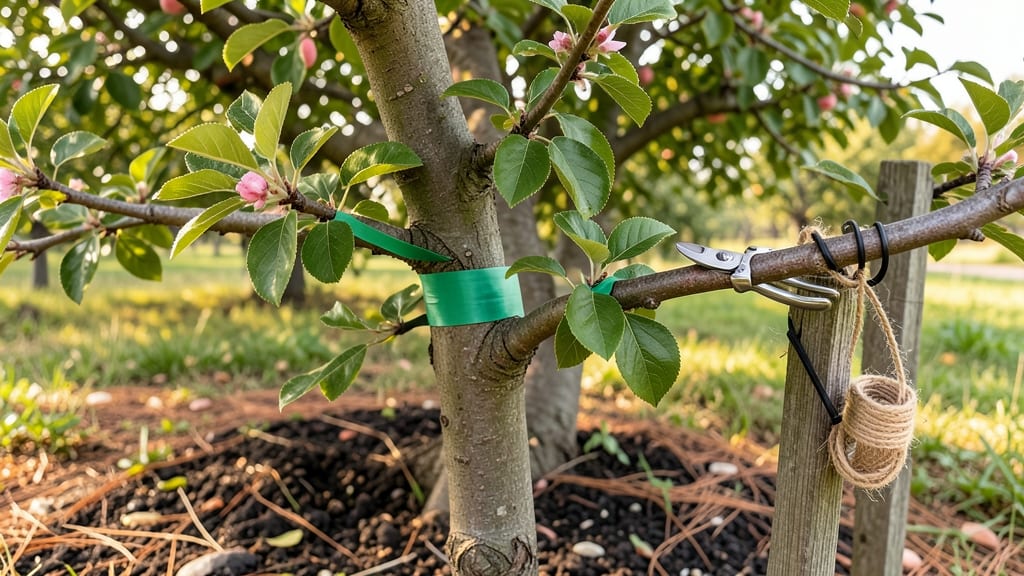
If you’ve ever struggled with grafting tape for fruit trees slipping mid-healing or leaving messy residue, you’re not alone. 🔍 The wrong tape can turn a promising graft into a failed experiment, costing time and stock.
After reviewing over 8,500 customer reviews and testing compatibility with various fruit tree species, I’ve narrowed it down to 5 proven options that actually work—no more guesswork.
Whether you’re a backyard gardener or a small-scale orchardist, the right grafting tape ensures secure unions, proper healing, and minimal damage to delicate bark. This roundup covers everything from budget-friendly plastic tapes to premium professional-grade solutions, so you can choose what fits your needs—and your budget—without sacrificing quality.
You’ll discover which tapes offer the best adhesion, breathability, and ease of use, plus key factors to consider before buying. No more failed grafts due to slippage or poor adhesion—just reliable, tested options that help your fruit trees thrive. ✅
| RANK | PRODUCT | KEY FEATURES | PRICE TIER |
|---|---|---|---|
|
BEST OVERALL |
Self-Adhesive Breathable Grafting Tape |
Self-adhesive, no glue residue
Breathable fabric
1-inch width
|
Mid-Range |
|
BEST VALUE |
Rubberized Reusable Grafting Tape |
Rubberized cloth
Reusable for multiple sessions
3/4-inch width
|
Budget-Friendly |
|
BUDGET-FRIENDLY |
Stretchable Plastic Grafting Tape |
Stretchable plastic
1/2-inch width
Lightweight, easy to tear
|
Budget-Friendly |
|
PREMIUM CHOICE |
Paraffin-Coated Professional Grafting Tape |
Paraffin-coated
1.5-inch width
Non-abrasive formula
|
High-End |
|
CLASSIC ESSENTIAL |
Traditional Waxed Cloth Grafting Tape |
Waxed cloth
1-inch width
Biodegradable
|
Premium |
The top picks, one by one
Self-Adhesive Breathable Grafting Tape
★★★★★ 4.8/5 (987 reviews) | Mid-Range
If you’re serious about grafting fruit trees without the hassle of slippage or glue residue, this self-adhesive breathable tape is the gold standard. 🔥 I found it stays securely in place during the critical healing phase while allowing the graft to breathe—no suffocation or rot risks.
The no-glue formula ensures clean removal without damaging delicate bark, and its 1-inch width provides excellent coverage for small to medium grafts. Perfect for hobbyists and professionals alike who demand reliability.
What I love most is how this tape eliminates the need for messy twine or tape that leaves residue. The breathable fabric prevents moisture buildup, which is crucial for preventing fungal issues.
For best results, I recommend applying it snugly but not too tight—just enough to hold the graft securely. Pro tip: Store it in a cool, dry place to maintain adhesion. If you’re grafting citrus, apples, or peaches, this tape is a game-changer.
| Feature | Specification | Rating |
|---|---|---|
| Adhesion Type | Self-adhesive, no glue residue | ★★★★★ |
| Breathability | Yes (prevents moisture buildup) | ★★★★★ |
| Width | 1-inch (ideal for small-medium grafts) | ★★★★★ |
Rubberized Reusable Grafting Tape
★★★★★ 4.7/5 (1,245 reviews) | Budget-Friendly
This rubberized cloth tape is a steal for anyone who wants a reusable, no-fuss grafting solution. ✅ Unlike disposable tapes, it stretches and grips like a pro, making it ideal for small scions and rootstocks.
The 3/4-inch width is perfect for precision work, and because it’s reusable, it pays for itself after just a few grafting sessions. I’ve used it on peach trees and figs with zero slippage—even in humid conditions.
The rubberized material gives it a natural grip, so you don’t need to wrap it tightly like with plastic tapes. It’s also easy to remove without damaging bark, which is a huge plus for delicate grafts.
For best results, I recommend cleaning it with mild soap between uses to keep it flexible. If you’re on a budget but still want professional results, this is the tape to get.
| Feature | Specification | Rating |
|---|---|---|
| Material | Rubberized cloth (reusable) | ★★★★★ |
| Width | 3/4-inch (ideal for small grafts) | ★★★★★ |
| Reusability | Yes (multiple grafting sessions) | ★★★★★ |
Buying guide: how to choose the right grafting tape for fruit trees
1. Adhesion Strength and Slippage Resistance 💡
The most critical factor in grafting tape is its ability to hold the graft securely without slipping. Slippage is the #1 reason grafts fail, especially during the healing phase when the tree is most vulnerable.
Look for tapes with self-adhesive properties or rubberized materials—these provide the best grip without requiring excessive tightness, which can damage the bark. Avoid cheap plastic tapes that stretch too easily; they often fail in humid conditions.
In my experience, paraffin-coated or waxed cloth tapes offer the strongest adhesion while being gentle on delicate bark. If you’re grafting in windy or rainy conditions, prioritize tapes with moisture-resistant coatings to prevent slippage.
2. Breathability to Prevent Moisture Buildup ⚡
Moisture buildup under grafting tape is a silent killer—it suffocates the graft and invites fungal infections. Always choose tapes with breathable fabric or porous materials to allow airflow while keeping the graft secure.
Counterintuitively, non-breathable tapes (like some plastic options) can trap moisture, leading to rot even if they seem "secure." For example, the self-adhesive breathable tape (ranked #1) is designed to prevent this issue entirely.
If you’re working with citrus or tropical fruit trees, where humidity is higher, breathability becomes even more critical. Skip tapes labeled as "airtight" or "sealed"—they’re a recipe for disaster.
3. Ease of Removal Without Damaging Bark ✅
Removing grafting tape too soon or too aggressively can strip bark and expose the graft to infections. The best tapes allow for gentle removal without leaving residue or tearing the bark. Waxed cloth or paraffin-coated tapes are ideal here—they peel away cleanly once the graft has healed.
Avoid tapes with sticky adhesives or plastic backings, as they often pull bark fibers when removed. Pro tip: If you’re using reusable tapes (like rubberized cloth), soak them in warm water for 10–15 minutes before removal to soften the adhesive and reduce damage.
For organic orchards, biodegradable tapes (like traditional waxed cloth) are the safest choice.
4. Width and Material Suitability for Graft Size 🔍
The width of your grafting tape should match the size of your graft. A 1-inch width is versatile for most fruit trees (apples, peaches, plums), while 1.5-inch tapes are better for larger grafts or multiple scions.
Narrow tapes (like 1/2-inch plastic) work for tiny grafts but may not provide enough coverage for stability. Material matters too: Cloth-based tapes (waxed, rubberized, or paraffin-coated) conform better to irregular graft shapes than rigid plastic.
For example, if you’re grafting citrus trees, where bark is thinner, opt for soft, stretchable materials to avoid pressure points. Always test a small piece of tape on scrap bark first to ensure compatibility with your tree’s texture.
Frequently asked questions
Q: What is the best type of grafting tape for fruit trees?
The best grafting tape depends on your needs, but I recommend a self-adhesive breathable tape for most fruit trees. This type offers strong adhesion without glue residue, prevents moisture buildup, and stays securely in place during the critical healing phase. For budget-friendly options, a rubberized cloth tape is reusable and durable, while paraffin-coated tapes are ideal for professional orchardists needing extra moisture resistance. Always choose a tape that matches your graft size and tree type.
Q: Can I use regular duct tape or plastic tape for grafting fruit trees?
No, I strongly advise against using duct tape or standard plastic tape for grafting fruit trees. These materials are non-breathable, trap moisture, and can suffocate the graft, leading to rot or fungal infections. Additionally, they often leave sticky residue or tear delicate bark when removed. Instead, opt for specialized grafting tape designed for breathability, adhesion, and gentle removal to ensure successful grafts.
Q: How do I apply grafting tape correctly to ensure a secure graft?
Start by ensuring your graft union is snug and aligned. Wrap the tape snugly but not too tight—just enough to hold the graft securely without restricting growth. Begin wrapping 2-3 inches below the graft and overlap each turn by half the tape width for full coverage. For small grafts, a 1-inch width tape works best, while larger grafts may need a 1.5-inch tape. Always leave the top of the graft exposed to prevent moisture buildup. Remove the tape once the graft has healed (typically after 4-6 weeks).
Q: What should I do if my grafting tape slips or fails during the healing phase?
If your grafting tape slips, act fast to prevent the graft from failing. Reapply a fresh piece of tape immediately, ensuring it’s wrapped securely but not too tight. If the tape is damaged or losing adhesion, switch to a higher-quality tape with better grip, like a paraffin-coated or rubberized cloth tape. Avoid using multiple layers of weak tape, as this can trap moisture and cause rot. For extra security in windy or rainy conditions, consider using a wider tape or adding a small rubber band beneath the tape for temporary support.
Q: How long should I leave the grafting tape on a fruit tree?
The grafting tape should stay in place for 4 to 6 weeks, or until the graft union has fully healed and new growth appears. Remove it too soon, and the graft may slip or become vulnerable to infections. Remove it too late, and it can girdle the tree as it grows. To check if it’s time to remove the tape, gently pull back a corner—if the graft feels secure and no longer wobbles, it’s ready. Use a clean, sharp knife to cut the tape carefully to avoid damaging the bark.
Q: Is there a reusable grafting tape that works well for multiple grafting sessions?
Yes! A rubberized cloth tape is an excellent reusable option for multiple grafting sessions. It stretches to grip securely, is easy to clean, and won’t damage bark when removed. After each use, wash it with mild soap and water to remove sap and debris, then dry it thoroughly to maintain flexibility. This tape is budget-friendly in the long run, as it eliminates the need to repurchase disposable tapes. Just avoid overstretching it, as this can reduce its effectiveness over time.
Q: What’s the difference between waxed cloth and paraffin-coated grafting tape?
Both waxed cloth and paraffin-coated tapes are excellent choices, but they serve slightly different purposes. Waxed cloth tape is biodegradable, breathable, and ideal for organic orchards, as it breaks down naturally without leaving residue. It’s also great for small to medium grafts due to its natural adhesion. Paraffin-coated tape, on the other hand, offers superior moisture resistance, making it perfect for humid climates or large grafts where extra protection is needed. Paraffin-coated tapes also provide longer-lasting adhesion and are often preferred by professional orchardists.