
Pruning
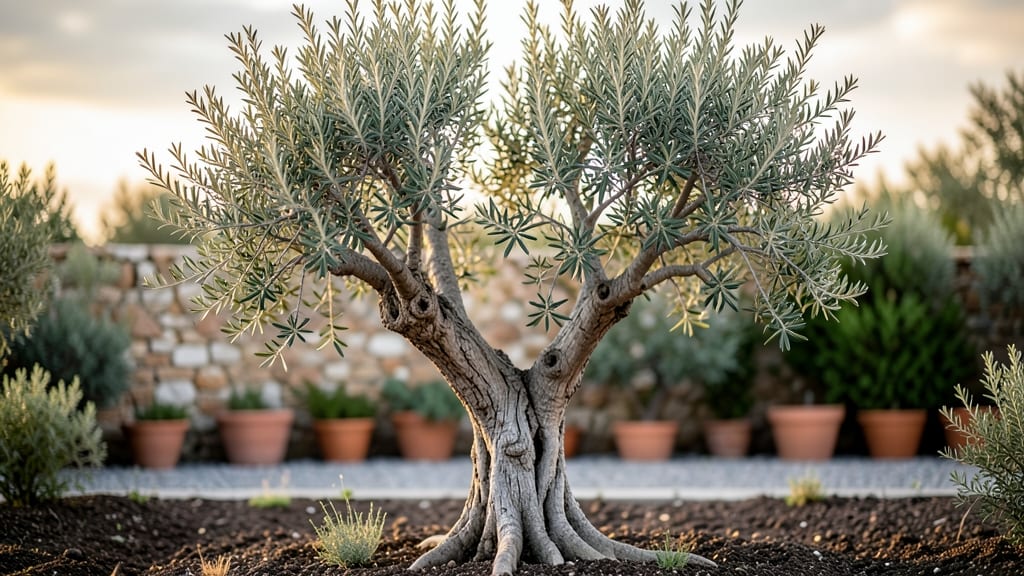
That majestic beauty of a fruitless olive tree in your front yard could be the year-round centerpiece your garden never had. 🌿 Its silvery-green leaves and graceful branches create drama without the mess—no fruit to clean up, no pruning to stress over, just pure Mediterranean elegance that thrives in heat and drought.
The secret to its majestic beauty lies in placement: anchor it against a sunlit wall or island it in a gravel bed where its gnarled roots and silvery foliage shine.
Pair it with lavender, rosemary, or ornamental grasses to enhance its natural charm, and watch how it transforms any space into a serene retreat. You'll love how it stays lush through winter, its branches arching like an ancient sentinel.
The texture contrast with dark evergreens or bright blooms creates visual magic that never fades—just pure, effortless sophistication. Perfect for modern courtyards, rustic farmhouse gardens, or even urban patios. Here’s how to make it the star of your outdoor vision.
📚 In This Guide
- What you need
- Instructions
- Tips and common mistakes
- Wrapping up and next steps
What you need
- ● Fruitless Olive Tree (Olea europaea 'Frutal'): Choose a healthy, 1-3 gallon container-grown tree (5-6 ft tall) for best results.
- ● High-quality potting soil or well-draining garden soil mix: 3-5 cubic feet, amended with perlite or sand (20-30% by volume) for optimal drainage.
- ○ Mulch (optional but recommended): 2-3 inches of organic mulch (e.g., bark or wood chips) to retain moisture and suppress weeds.
- ● Slow-release fertilizer (10-10-10 or similar): 1-2 lbs, applied at planting and again in early spring.
- ● Garden trowel or spade: For digging planting holes (6-8 inches wider than the root ball).
- ● Gloves (heavy-duty): To protect your hands while handling soil and tools.
- ● Watering can or hose with a gentle spray nozzle: For post-planting hydration.
- ● Pruning shears (bypass type): Only if minimal shaping is needed—fruitless olives thrive with zero pruning!
- ○ Measuring tape (optional): To ensure proper spacing (15-20 ft from structures or other trees).
- ● 🌞 Sunlight: A location with full sun (6+ hours daily)—olives adore basking!
- ● 💧 Water access: A nearby spigot or irrigation system for deep watering (1-2 inches per week, more in extreme heat).
- ● 🌡️ Climate suitability: USDA Zones 8-11 (or container-grown for colder climates).
- ● 🚫 No fruit-bearing expectations: This variety is sterile—focus on its stunning foliage and minimal upkeep!
Step-by-Step instructions for planting and caring for a fruitless olive tree
Here’s how to establish a stunning, low-maintenance fruitless olive tree that thrives year after year.
🌱 Step 1: Choose the Perfect Planting Spot
Select a location with full sun exposure—at least 6-8 hours of direct sunlight daily. The Majestic Beauty variety thrives in well-draining soil, so avoid low-lying areas where water pools. If your yard has heavy clay soil, amend it with compost or sand before planting to improve drainage.
I always test the soil by digging a small hole and filling it with water. If it drains within 30 minutes, the spot is ideal. If water lingers, choose another location or raise the planting area with a mound of soil. This tree’s roots hate soggy conditions, so proper drainage is non-negotiable.
🪴 Step 2: Plant at the Right Depth and Spacing
Dig a hole twice as wide as the tree’s root ball but only as deep. The top of the root ball should sit 1-2 inches above ground level—this prevents the soil from washing into the hole during watering. Gently loosen the roots if they’re circling tightly in the container.
Backfill the hole with native soil, tamping lightly as you go to remove air pockets. Space multiple trees 15-20 feet apart to allow for mature growth without overcrowding. Water deeply right after planting to settle the soil around the roots. You’ll know it’s right when moisture reaches 6 inches deep.
☀️ Step 3: Water Deeply but Infrequently
Water your fruitless olive tree once every 7-10 days during the first growing season, providing 1-2 gallons per watering. The key is deep watering—soak the soil until it’s damp 12 inches down. Overwatering is the fastest way to kill this drought-tolerant tree, so let the top 2-3 inches of soil dry out between waterings.
After the first year, reduce watering to every 2-3 weeks unless your area experiences extreme heat or drought. Mature trees are incredibly resilient and can survive on rainfall alone in many climates. Check for dryness by sticking your finger into the soil—if it feels dry past 1 inch deep, it’s time to water.
✂️ Step 4: Fertilize Lightly for Strong Growth
Apply a balanced, slow-release fertilizer (10-10-10 or similar) in early spring, just as new growth begins. Use only ½ the recommended dose—olive trees are sensitive to excess nutrients. Spread the fertilizer evenly over the root zone, then water deeply to help it absorb.
Skip fertilizing in the fall or winter, as the tree enters dormancy. Too much nitrogen at the wrong time can lead to weak, disease-prone growth. I always fertilize after a light pruning session in late winter to encourage fresh, healthy shoots without overwhelming the tree.
🌿 Step 5: Protect from Winter Chill and Pest Pressure
While fruitless olive trees are hardy to USDA Zone 7, they benefit from winter protection in colder climates. Wrap the trunk with burlap or tree guard in late fall to shield it from harsh winds and temperature swings. Avoid plastic wraps, which can trap moisture and cause rot.
Watch for olive fruit flies or scale insects, which can stress the tree. If you spot sticky residue on leaves (a sign of aphids or scale), spray with neem oil or insecticidal soap in early morning or late evening to avoid harming beneficial insects. Healthy trees rarely face major pest issues, so focus on proper watering and soil care to keep them strong.
Tips & tricks for perfect fruitless olive tree planting
Between us, these little details make all the difference when you're planting your Majestic Beauty fruitless olive tree.
Sunlight Secret: That 6-8 hours of sunlight isn't just a suggestion—it's non-negotiable for this variety. I've seen trees struggle when planted under partial shade, even if they're otherwise well-cared for. If your yard has areas with less sunlight, consider using a portable grow light during winter months when days shorten. The tree's silvery foliage actually helps reflect light, so positioning it where it can catch morning sun is ideal.
Drainage Test: I learned this the hard way after ruining three young trees with poor drainage. That 30-minute water test is your best friend—if water still sits after 30 minutes, you're looking at root rot potential. For clay-heavy soils, mix in equal parts compost and coarse sand to create a proper drainage layer at the bottom of the planting hole. This creates a "sandwich" effect where roots can grow downward while excess water escapes.
Root Ball Strategy: When you're loosening those circling roots in Step 2, don't just pull them apart—make small vertical cuts with a knife to encourage outward root growth. I also recommend soaking the root ball for 10-15 minutes before planting to ensure it's fully hydrated when you put it in the ground. This helps reduce transplant shock, especially in hot climates where trees dry out quickly after planting.
Winter Prep: That burlap wrap in Step 5 isn't just about cold protection—it's also about temperature regulation. I've found that wrapping the trunk creates a microclimate that prevents rapid temperature swings that can stress the tree. For extra protection in Zone 6 or colder, add a layer of mulch around the base (but keep it 6 inches away from the trunk) to insulate the roots. Just remember to remove the wrap in early spring before new growth begins.
Pro Tips for Majestic Beauty Fruitless Olive Tree
- Between us, these little details make all the difference when you're planting your Majestic Beauty fruitless olive tree.
- Sunlight Secret: That 6-8 hours of sunlight isn't just a suggestion—it's non-negotiable for this variety.
- Drainage Test: I learned this the hard way after ruining three young trees with poor drainage.
Frequently asked questions
Got questions about cultivating a majestic beauty fruitless olive tree without the pruning drama? You’re not alone! Here are answers to the most common queries—from timing to troubleshooting—so you can enjoy year-round elegance with minimal effort.
Why choose a fruitless olive tree over a fruiting variety?
A fruitless olive tree (like the Arbequina or Frantoio cultivars) eliminates messy olives and pests, saving you time and cleanup. Plus, they focus energy on lush foliage and sturdy growth, making them ideal for ornamental landscapes or low-maintenance yards.
When is the best time to plant a fruitless olive tree?
Plant in early spring (after the last frost) or fall (6 weeks before your area’s first freeze). Avoid summer heatwaves or winter cold snaps, which stress young roots. Pro tip: Water deeply 2–3 times per week for the first month to help it establish!
Do fruitless olive trees really need zero pruning?
Not zero—but minimal! Light shaping in late winter (before buds swell) keeps them tidy. Remove only dead/diseased branches or overcrowded growth. Skip heavy pruning; these trees thrive with their natural silhouette. Think of it as "maintenance, not makeovers."
Are fruitless olive trees pest-resistant?
They’re less attractive to olive fly and borers (since no fruit = fewer pests), but watch for scale insects or aphids. Spray with neem oil or insecticidal soap if needed. A healthy tree with good airflow stays resilient!
Can I grow a fruitless olive tree in cold climates?
Most varieties tolerate USDA Zones 7–10. For colder areas (Zone 6), choose ‘Arbequina’ or ‘Little Ollie’—they’re hardier. Mulch heavily in winter and plant in a south-facing spot for warmth.
What if my tree’s leaves turn yellow?
Yellowing leaves often signal overwatering or nutrient deficiency. Olive trees prefer drought-like conditions—water deeply but infrequently. Test soil pH (ideal: 6.0–8.0) and fertilize lightly in spring with low-nitrogen olive-specific food.
Wrapping up and next steps
The majestic beauty fruitless olive tree proves that elegance and low-maintenance can go hand in hand—no pruning required! 🌿 Its silvery-green foliage and graceful form bring year-round charm to any landscape, making it a dream for busy gardeners or those who love effortless beauty.
Whether you're a pruning novice or a seasoned pro, this tree offers a stress-free way to elevate your outdoor space.
Ready to embrace its fruitless simplicity? Start by selecting the perfect spot in your garden, gathering your tools, and letting its natural allure take center stage. Plant today, enjoy forever!