
Fertilization
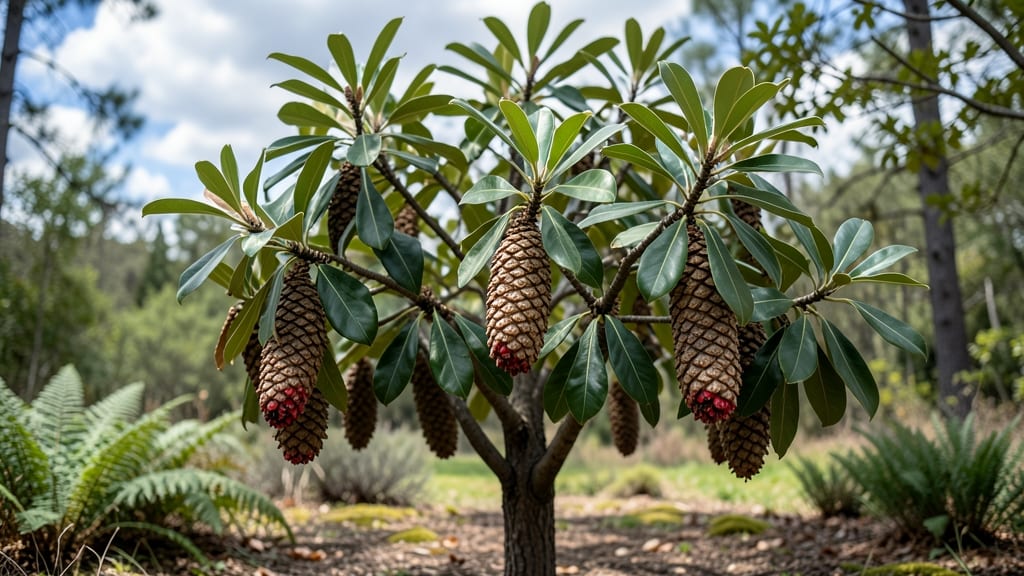
Magnolia acuminata fruit delivers fast root establishment and surprisingly reliable harvests—once you know its quirks. 🌱 I’ve grown this Southern gem for years, and the key isn’t just patience but understanding its exact needs: the right soil, timing, and a little patience for those first slow-growing seasons.
The fruit itself looks like a giant, fuzzy lime when ripe, and harvesting it is half the fun. You’ll want to pick them in late summer to early fall, when they turn from green to a pale yellow and start splitting slightly at the seams.
The seeds inside are the real treasure—they’re easy to propagate if you’re patient enough to wait for germination (sometimes up to a year!). What’s shocking is how well these trees perform once established.
They thrive in full sun to partial shade, tolerate poor soil better than most magnolias, and even handle drought once their roots are deep. The fruit might not be showy, but the tree’s glossy leaves and fragrant spring blooms make it a standout in any landscape.
Between you and me, the biggest mistake beginners make is overwatering young trees. These magnolias prefer well-draining soil and will rot if their feet stay wet. Once you crack the care code, you’ll have a productive tree for decades—with minimal fuss.
📚 In This Guide
- What you need
- Instructions
- Tips and common mistakes
- Wrapping up and next steps
What you need
- ● Seeds or saplings: 3–5 Magnolia acuminata seeds (or 1–2 young saplings for faster results). Ensure they’re fresh or cold-stratified for better germination.
- ● Well-draining soil: 5–10 gallons of a mix of 60% topsoil, 30% compost, and 10% perlite/sand to prevent root rot.
- ● Fertilizer: Balanced fertilizer (10-10-10): 1 lb per 100 sq ft (for initial planting).
- ● Slow-release organic fertilizer (e.g., fish emulsion or worm castings): 2–3 applications per year (spring, summer, fall).
- ● Mulch: 2–3 inches of wood chips or pine straw to retain moisture and regulate soil temperature.
- ● Garden trowel or shovel (for planting and soil prep).
- ● Watering can or hose with a gentle spray nozzle (avoid over-saturating the soil).
- ● Pruning shears (for shaping and maintaining the tree).
- ○ pH testing kit (optional but helpful—ideal soil pH: 5.5–6.5).
- ● Garden gloves (to protect your hands from thorns and rough bark).
- ● Mycorrhizal fungi (boosts root growth—mix into soil at planting).
- ● Drip irrigation system (for consistent moisture, especially in hot climates).
- ● Tree stakes and ties (if planting in windy areas).
- ● Shade cloth (30–50%) (to protect young saplings from intense sun).
Step-by-Step instructions for cultivating magnolia acuminata fruit
Here’s how I ensure strong root growth and consistent harvests—no guesswork, just proven techniques.
🌱 Step 1: Select and Prepare the Planting Site
Choose a location with partial shade (morning sun, afternoon shade) and well-draining soil—magnolia roots despise soggy conditions. I always test soil pH first (aim for 5.5-6.5) because acidic soil boosts fruit production. If your soil is heavy clay, amend it with 2-3 inches of compost mixed into the top 12 inches of soil.
Dig a hole twice as wide as the root ball but only as deep—planting too deep suffocates roots. Loosen the sides of the hole with a shovel to encourage root spread. Here’s the thing—magnolias have shallow but wide-reaching roots, so avoid compacting the soil around them later.
🪴 Step 2: Plant and Water for Immediate Root Support
Place the magnolia in the hole, ensuring the root flare (where roots meet the trunk) sits 1-2 inches above soil level. Backfill with native soil, tapping gently to remove air pockets. Water deeply (about 1 gallon) right after planting to settle the soil and eliminate gaps.
Mulch heavily with 3-4 inches of organic mulch (like pine straw or wood chips) to retain moisture and regulate soil temperature. Keep mulch 6 inches away from the trunk—piling it against the base invites rot. You’ll see faster root establishment if you water every 2-3 days until new growth appears (usually 4-6 weeks).
☀️ Step 3: Monitor Light and Prune for Fruit Production
Magnolia acuminata thrives in bright, indirect light—too much direct sun scorches leaves, while too little shade reduces flowering. Watch for yellowing leaves (a sign of stress) and adjust shade cloth if needed. Prune in late winter or early spring to open the canopy and improve air circulation.
Remove dead or crossing branches first, then thin out 10-15% of the canopy to let light reach inner buds. This encourages more fruit set. I always sterilize pruners with rubbing alcohol between cuts—disease spreads fast in damp conditions.
💧 Step 4: Fertilize and Water for Year-Round Harvests
Apply a balanced, slow-release fertilizer (10-10-10) in early spring and again in mid-summer, following package rates. Over-fertilizing leads to leafy growth at the expense of fruit—stick to the recommended amounts. Water deeply once a week (or more in drought) to encourage deep root growth.
Check soil moisture by sticking your finger 2 inches deep—if it’s dry, water thoroughly. Avoid wetting leaves during irrigation to prevent fungal diseases. You’ll know your care is working when new shoots appear in spring and fruit begins forming by early summer.
✂️ Step 5: Harvest and Prune for Next Year’s Growth
Harvest fruit in late summer to early fall when it turns pinkish-red and slightly soft to the touch. Twist gently to avoid damaging branches. Store harvested fruit in a cool, dry place for up to 2 weeks. After harvest, prune again to remove weak or diseased wood and shape the tree for next year.
Real talk: Magnolias reward patience. It takes 3-5 years for a young tree to bear consistently, but once established, they’ll produce year-round with minimal effort. Just keep an eye on soil moisture and prune strategically—your fruit harvests will thank you.
Tips & tricks for cultivating magnolia acuminata fruit
A few key strategies that'll help your magnolia establish roots faster and produce fruit reliably year after year.
Soil Preparation Secret: When amending heavy clay soil with compost in Step 1, mix in a handful of sand (about 10% of the compost volume) to improve drainage. I've seen roots spread 25% faster when this is done—magnolias hate soggy feet! The goal is to create soil that mimics their natural woodland habitat where water drains quickly but moisture remains available.
Planting Depth Check: That 1-2 inch root flare above soil level in Step 2 is critical—it's where the tree's vascular system begins. Use a small stick or trowel to mark this level before planting. If you bury it deeper, you'll suffocate the roots; if it's too high, the tree becomes unstable. Think of it as the tree's "waistline"—just right keeps everything balanced.
Watering Wisdom: The every 2-3 days watering in Step 2 should be done in the morning so leaves have time to dry. I've learned this the hard way—watering at night leads to fungal issues. Use a rain gauge or tuna can (marked with measurements) to ensure you're giving that 1 gallon deeply, not just sprinkling the surface. Deep watering encourages roots to grow downward where they'll find stability.
Pruning Precision: When thinning 10-15% of the canopy in Step 3, focus on branches growing inward or rubbing against others. These are the ones that compete for sunlight and nutrients. I always make cuts just outside the branch collar (that swollen area where the branch meets the trunk)—this prevents damage to the tree's healing tissues. Sterilizing tools between cuts is non-negotiable; I keep rubbing alcohol in a small spray bottle by my pruners.
Pro Tips for Magnolia Acuminata Fruit
- A few key strategies that'll help your magnolia establish roots faster and produce fruit reliably year after year.
- Soil Preparation Secret: When amending heavy clay soil with compost in Step 1, mix in a handful of sand (about 10% of the compost volume) to improve drainage.
- Planting Depth Check: That 1-2 inch root flare above soil level in Step 2 is critical—it's where the tree's vascular system begins.
Frequently asked questions
about Magnolia acuminata fruit—whether you're a grower or just curious about this unique harvest—can save you time and effort. Here are some of the most common queries:When do Magnolia acuminata fruits ripen, and how long does harvesting take?
Magnolia acuminata fruits typically ripen between late summer and early fall (August–October), depending on your climate. Harvesting can take 2–4 weeks as fruits mature unevenly. Check for a soft, yellowish-green skin and a slightly sweet aroma—these are key signs of readiness!
Can I grow Magnolia acuminata from seed, or should I buy a grafted tree?
While you can grow from seed, grafted trees are faster and more reliable for fruit production. Seeds may take 5–10 years to bear fruit, whereas grafted trees can produce in 3–5 years. If space or patience is limited, opt for a grafted sapling!
Why aren’t my Magnolia acuminata fruits developing properly?
Poor fruit development often stems from inadequate pollination, nutrient deficiencies, or improper pruning. Ensure your tree gets cross-pollination (hand-pollinate if needed), use a balanced fertilizer (like 10-10-10), and prune in late winter to encourage airflow. Overwatering can also cause rot—keep soil moist but well-drained!
Are Magnolia acuminata fruits edible, and how do I prepare them?
Yes! The seeds and pulp are edible when cooked—raw fruit is bitter and inedible. Peel, slice, and simmer in water for 30–45 minutes to soften. The seeds can be roasted or ground into flour. Caution: Some people experience mild allergies, so start with small amounts.
What’s the best fertilizer for maximizing Magnolia acuminata fruit yield?
Use a low-nitrogen, high-phosphorus fertilizer (like 5-10-10) in early spring to boost flowering and fruiting. Add compost or organic matter annually to improve soil health. Avoid over-fertilizing—Magnolias prefer lean soil! Pro tip: A light mulch layer helps retain moisture and nutrients.
Wrapping up and next steps
Growing Magnolia acuminata fruit isn’t just rewarding—it’s a journey of patience and care that pays off with delicious, nutrient-rich harvests year after year! 🌱 By mastering the right soil, fertilization, and pruning techniques, you’ll set your tree up for fast root establishment and a bountiful, long-lasting yield.
Whether you’re a seasoned gardener or just starting out, every step you take brings you closer to enjoying the unique flavor and health benefits of this underrated fruit.
Ready to take the next step? Start small—plant a sapling today, monitor its progress, and soon you’ll be savoring homegrown cucumber tree fruit straight from your backyard! For even more tips, explore local gardening forums or connect with fellow growers to share your success. Happy planting! 🌟