
Tools
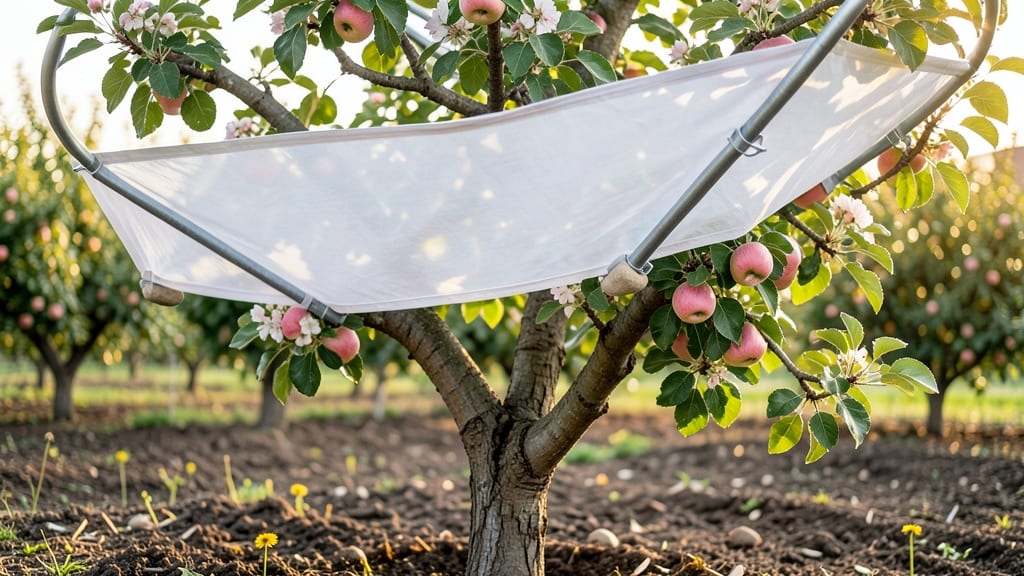
My peach trees nearly died from sunburn last summer—until I draped shade cloth over them like a lifesaving blanket. 🌿 The right density saved my harvest, and now I’m sharing how to do it without smothering your fruit trees or blocking too much light.
Shade cloth comes in percentages (20% to 90%), with lighter weights filtering sunlight while heavier ones block heat. For peaches, apricots, and citrus, 30-50% works best—enough to prevent sun scorch but still let photosynthesis happen. Avoid plastic; breathable fabric prevents mold buildup.
Install it 2-3 feet above the canopy, securing edges with stakes or weights. Check weekly to adjust for wind or pests, and remove it gradually in fall to avoid shocking the trees. You’ll see fewer burned leaves, firmer fruit, and trees that keep producing well into late summer.
Need more protection? Combine shade cloth with drip irrigation and prune lower branches to improve airflow. The key is balance—too much shade stunts growth, but the right amount turns a risky harvest into a reliable one.
📚 In This Guide
- What you need
- Instructions
- Tips and common mistakes
- Wrapping up and next steps
What you need
- ● Shade cloth: Choose a 30-50% shade cloth (lighter for partial shade, denser for full sun protection). Calculate coverage: 1.5x the tree’s canopy width (e.g., a 10-ft-wide tree needs ~15 ft of cloth). Buy in pre-cut rolls or sheets (e.g., 10x20 ft) or sew your own from UV-stabilized polyester.
- ● Support framework: T-posts or metal stakes (4-6 per tree, buried 12-18 inches deep). Bamboo poles or PVC pipes (1-inch diameter, cut to 6-8 ft tall). Zip ties or nylon straps (for securing cloth to supports).
- ● Fasteners & tools: Heavy-duty staples or grommet clips (to attach cloth to framework). Hammer or mallet (for driving stakes). Scissors or utility knife (for cutting cloth). Measuring tape (to ensure precise coverage).
Step-by-Step guide to installing shade cloth for fruit trees
Protecting your fruit trees with shade cloth is easier than you think—just follow these simple steps.
🪴 Step 1: Measure and Select the Right Shade Cloth
Start by measuring the height and width of the area you want to cover. Most fruit trees need 30-50% shade cloth for partial sun protection, while delicate varieties like peaches or nectarines may require 50-70% to prevent sunburn. I like to use 4-6 foot tall frames for standard trees, but adjust based on your tree's mature height.
Check the shade cloth's denier rating—lower numbers (like 30%) let more light through, while higher numbers (like 70%) block more sun. For young trees, 30-40% is often enough to prevent heat stress while still allowing photosynthesis. Measure your tree's canopy width and add 2 feet extra on all sides for full coverage.
🌿 Step 2: Assemble or Install Support Structures
If using freestanding frames, assemble them around your tree, spacing them 4-6 feet apart for stability. For smaller trees, a single hoop or arch over the canopy works well. If you're attaching cloth to an existing structure like a fence or trellis, ensure it’s sturdy enough to support the weight of the cloth when wet.
I always use galvanized metal stakes or posts buried 12-18 inches deep for permanent setups. For temporary protection, adjustable tension wires stretched between stakes work great. Make sure the frame is slightly taller than your tree’s canopy—this prevents the cloth from dragging on the branches and tearing.
☀️ Step 3: Secure the Shade Cloth Properly
Drape the shade cloth over the frame, starting from the top and working downward to avoid wrinkles. Use clothespins, bungee cords, or UV-resistant zip ties to secure it tightly—wrinkles create uneven shade and can trap heat. For a cleaner look, hem the edges of the cloth with a sewing machine or heavy-duty stitching.
Check for gaps or loose sections—even a small opening lets in too much direct sun, defeating the purpose. If your tree is still growing, leave extra cloth at the bottom so you can adjust the height as it matures. For young trees, you can also fold the bottom up during cooler months to allow more light.
⏰ Step 4: Monitor and Adjust for Seasonal Changes
Install the shade cloth 2-3 weeks before peak summer heat to give your tree time to acclimate. Remove it in early fall (around late September or early October) to allow sunlight for ripening fruit. Watch for signs of stress, like yellowing leaves or stunted growth—this usually means the cloth is too dense or blocking too much light.
I like to rotate the cloth every few weeks so one side doesn’t degrade faster from sun exposure. If your tree is in a hot, dry climate, consider mist sprayers to keep the cloth cool and prevent heat buildup underneath. Always remove the cloth during rainstorms to let excess water drain and prevent mold growth.
✂️ Step 5: Maintain and Store for Next Season
At the end of the season, clean the cloth with a mild soap solution and let it dry completely before folding. Store it in a dry, shaded place (like a garage or shed) to prevent UV damage. If the cloth develops holes or tears, patch them with UV-resistant tape or fabric glue—a small repair extends its life for years.
Before reinstalling next season, inspect your support structures for rust or weak spots. Replace any damaged stakes or wires to ensure your setup stays secure. With proper care, a good shade cloth can last 5-7 years, saving you money and keeping your fruit trees thriving.
Tips & tricks for perfect fruit tree sun protection
Here's what I've learned after years of protecting my orchard—these little details make all the difference.
Shade Cloth Selection: In Step 1, when choosing between 30-70% denier ratings, think about your tree's needs. For young trees or less sun-sensitive varieties like apples, 30-40% works perfectly. But for delicate fruits like peaches or nectarines, don't skimp—go with 50-70% to prevent sunburn. I've seen firsthand how 30% can still cause leaf scorch on sensitive varieties during peak summer.
Frame Stability: The 4-6 foot tall frames mentioned in Step 2 are your best friend, but here's the secret: bury those galvanized stakes deeper than the 12-18 inches recommended if you're in windy areas. I've had stakes pull out during storms when they weren't buried deep enough—trust me, you don't want your shade cloth flapping around like a sail during a summer breeze.
Seasonal Timing: Those 2-3 weeks before peak summer heat in Step 4 are crucial, but don't wait until the first hot day to install it. I've seen trees go into shock when suddenly shielded from intense sun after weeks of full exposure. Start the acclimation process gradually by installing it a few weeks earlier, especially if you're in a region with sudden heat spikes.
Maintenance Secret: When cleaning your cloth at the end of the season (Step 5), add a splash of white vinegar to your mild soap solution. This helps break down any mineral deposits from hard water and keeps the cloth looking fresh for years. I've extended the life of my shade cloth by using this simple trick—it's like giving it a spa treatment after a long growing season.
Pro Tips for Shade Cloth For Fruit Trees
- Here's what I've learned after years of protecting my orchard—these little details make all the difference.
- Shade Cloth Selection: In Step 1, when choosing between 30-70% denier ratings, think about your tree's needs.
- Frame Stability: The 4-6 foot tall frames mentioned in Step 2 are your best friend, but here's the secret: bury those galvanized stakes deeper than the 12-18 inches recommended if you're in windy areas.
Frequently asked questions
When is the best time to install shade cloth on fruit trees?
Install shade cloth in early spring (before buds swell) or late summer (after harvest) to avoid disrupting flowering or fruit development. For tropical or heat-sensitive trees, apply it before peak sun exposure—typically May to September in most U.S. climates. Adjust timing based on your local growing zone!
What percentage of shade cloth should I use for fruit trees?
Start with 30-50% shade cloth for most fruit trees—this filters sunlight while allowing photosynthesis. Delicate varieties (e.g., peaches, plums) may need 50-70%, while hardy trees (apples, pears) often thrive with 20-30%. Test with a small section first to monitor fruit color and growth.
Can I reuse shade cloth year after year?
Yes! Shade cloth lasts 5-10 years if stored properly. Clean it with a mild soap solution and rinse to remove debris. Avoid folding it wet—let it dry flat to prevent mildew. Pro tip: Store it in a dry, shaded area (like a garage) with spacers between layers to extend its life.
Are there alternatives to shade cloth for sun protection?
Try these options:
- Tree wraps (for young trunks)
- Drip irrigation + mulch (hydration reduces sun stress)
- Pruning (thin foliage to improve airflow)
- Whitewash paint (reflects sunlight on trunks)
Why are my fruit trees’ leaves turning yellow under shade cloth?
Yellowing leaves often signal over-shading or poor airflow. Check these fixes:
- Use lighter cloth (20-30%) if using heavy coverage.
- Ensure 1-2 feet of space between cloth and foliage.
- Remove cloth for a few hours daily to allow direct sunlight.
- Test for nutrient deficiency (add iron or magnesium if needed).
Wrapping up and next steps
Shade cloth is a game-changer for fruit tree growers, offering sun protection, pest control, and extended harvest seasons—all while keeping your trees healthy and productive.
Whether you're a backyard gardener or a commercial farmer, investing in the right shade cloth and setup can seriously boost your yield and ease the stress of extreme weather. 🌿
Ready to give your fruit trees the care they deserve? Start by choosing the right density of shade cloth for your climate, then measure, cut, and install with confidence. Your future harvests will thank you!