
Trees
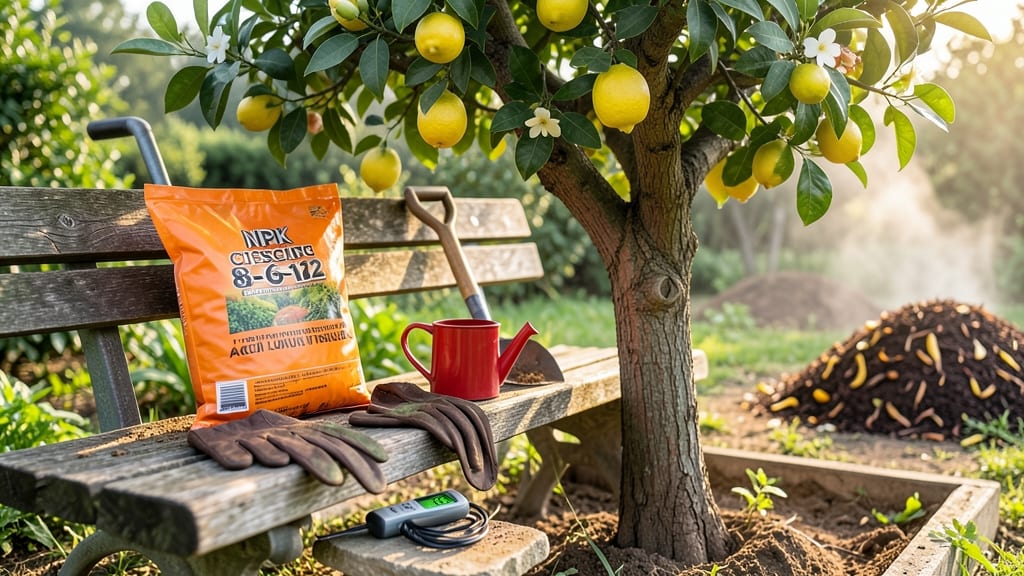
Fertilizing your fruit trees at the right time 🍎 is the key to stronger roots, bigger harvests, and fewer pests—because timing it wrong can actually harm your tree.
Picture this: You’ve just planted your dream fruit tree, but six months later, it’s still puny and struggling. The problem? You fertilized too early or too late, throwing off its natural growth cycle.
Most gardeners don’t realize that spring before bud break is the golden window for most varieties, but evergreens like citrus need a different approach.
In this guide, I’ll break down the best seasons by tree type, how to spot when your tree is actually ready for fertilizer (hint: it’s not just about the calendar), and the one mistake that kills more fruit trees than you’d think.
Whether you’re dealing with a young apple tree or a mature peach, you’ll learn how to feed it—without overdoing it—so you’re left with stronger branches, juicier fruit, and fewer headaches next harvest season.
Best fertilization seasons for fruit trees by type: spring vs fall timing
Fruit trees thrive when fertilized at the right time, but the best season depends on whether you're growing deciduous trees like apple or peach or evergreen varieties like citrus or olive.
Deciduous trees need nutrients before their spring growth spurt, while evergreens benefit from fall fertilization to support their year-round metabolism. Understanding these differences ensures your trees get the nutrients they need without stress.
Timing matters because fertilizing at the wrong time can lead to burned roots or late-season growth that won’t harden off before winter. For example, apple trees should get their first feeding in early spring when roots are active, while orange trees thrive with a fall fertilizer to prepare for winter.
Let’s break down the best practices for each type.
| Tree Type | Best Fertilization Season | Why This Timing | Soil Prep Steps | Climate Considerations |
|---|---|---|---|---|
| Deciduous (Apple, Peach, Pear) | Early Spring (Before Bud Break) | Supports root growth and leaf production before flowering. | Test soil pH (ideal: 6.0-7.0), add compost or aged manure. | Avoid fertilizing if frost is forecasted; wait for consistent warmth. |
| Deciduous (Young Trees) | Late Spring (After Flowering) | Encourages fruit development without overstimulating late-season growth. | Use balanced fertilizer (10-10-10) or organic options like fish emulsion. | In hot climates, fertilize in early spring to avoid summer stress. |
| Evergreen (Citrus, Olive, Fig) | Late Fall (6-8 Weeks Before Frost) | Builds root reserves for winter and supports year-round growth. | Amend soil with well-rotted compost and slow-release fertilizer. | In mild climates, fertilize in early spring instead. |
| Evergreen (Mature Trees) | Early Spring (After Last Frost) | Stimulates new growth and fruit production for the season. | Apply citrus-specific fertilizer (high in nitrogen) or olive tree fertilizer. | Avoid fertilizing in summer heat to prevent root burn. |
For deciduous fruit trees, the early spring feeding is critical because it aligns with their natural growth cycle. When you fertilize just before bud break, you’re giving your tree the nutrients it needs to push out leaves and eventually flowers.
Think of it as a growth kickstart—like giving your tree a vitamin shot before the big race of the season.
In contrast, evergreen trees like citrus or olive don’t follow the same schedule. They’re active year-round, so fertilizing in late fall helps them store nutrients for winter. This timing also prevents late-season flushes of growth that could be damaged by frost.
If you live in a warm climate where winters are mild, you might shift fertilization to early spring instead.
One common mistake I see is over-fertilizing in summer. High temperatures can burn roots, and new growth stimulated by summer fertilizer won’t have time to harden off before winter.
Instead, focus on light feeding in summer to maintain health without stressing the tree. For example, a peach tree might get a half-strength fertilizer in June to keep it growing steadily.
Soil preparation is just as important as timing. Before fertilizing, test your soil’s pH and nutrient levels. Most fruit trees prefer a slightly acidic to neutral pH (6.0-7.0). If your soil is too alkaline, your tree might not absorb nutrients efficiently, even if you’re fertilizing at the right time.
Amend the soil with compost or peat moss to improve structure and nutrient availability.
Climate plays a huge role in fertilization timing. In northern climates, where winters are harsh, focus on spring and early summer feedings. In southern regions, you might fertilize more in fall and winter to support continuous growth.
For instance, a fig tree in Florida can benefit from a light feeding in December to keep it producing fruit year-round.
Pro tip: If your tree is younger than 3 years old, reduce fertilizer amounts by half to avoid overstimulating growth. Young trees have
How to choose the right fertilizer for your fruit tree variety
Choosing the right fertilizer for fruit trees depends on your tree's age, variety, and growth stage. Young trees need nitrogen-rich fertilizers to build roots, while mature trees benefit from balanced NPK ratios to support fruit production.
Organic options like compost or manure release nutrients slowly, while synthetic fertilizers provide quick results but require careful dosing.
Start with a soil test to identify deficiencies—most fruit trees thrive in slightly acidic soil (pH 6.0–7.0). If your soil lacks nutrients, consider a slow-release fertilizer like 10-10-10 or an organic blend with micronutrients (zinc, iron, magnesium).
Avoid high-nitrogen fertilizers in late summer, as they encourage late-season growth vulnerable to frost damage.
| Tree Age | Best Fertilizer Type | NPK Ratio | Season to Apply |
|---|---|---|---|
| Young (<3 years) | Organic (compost, fish emulsion) | 5-5-5 or 3-4-3 | Early spring, late spring |
| Mature (3+ years) | Balanced (10-10-10 or 8-3-9) | 10-10-10 or 8-3-9 | Early spring, post-harvest |
| Citrus Trees | Citrus-specific (6-6-6 or 8-4-12) | 6-6-6 or 8-4-12 | Every 3 months (year-round) |
| Evergreens (Avocado, Olive) | Slow-release organic | 4-6-8 or 5-5-5 | Spring, early fall |
For deciduous trees like apples or peaches, apply fertilizer in early spring (before buds swell) and again after harvest. Evergreen trees, such as citrus or avocado, need more frequent feeding—every 3 months—to maintain growth in warm climates.
Always water fertilizer into the soil to prevent root burn and avoid applying it during drought or extreme heat.
Common mistakes include over-fertilizing, which can burn roots, or using the wrong NPK ratio. For example, too much nitrogen leads to leafy growth but fewer fruits.
If your tree shows signs of nutrient deficiency (yellow leaves, stunted growth), adjust your fertilizer blend or consider a soil amendment like kelp meal for micronutrients.
Test your soil annually and adjust your fertilizer plan accordingly. Young trees may need half the recommended dose of mature trees, while newly planted trees benefit from a low-nitrogen starter fertilizer to encourage root establishment. Always follow package instructions and monitor your tree’s response to avoid overfeeding.
By matching your fertilizer choice to your tree’s needs, you’ll support healthy growth and abundant harvests without risking damage. Start with a soil test, choose the right NPK ratio, and fertilize at the optimal times for your climate and tree variety. 🌱🍎🌿