
Pruning
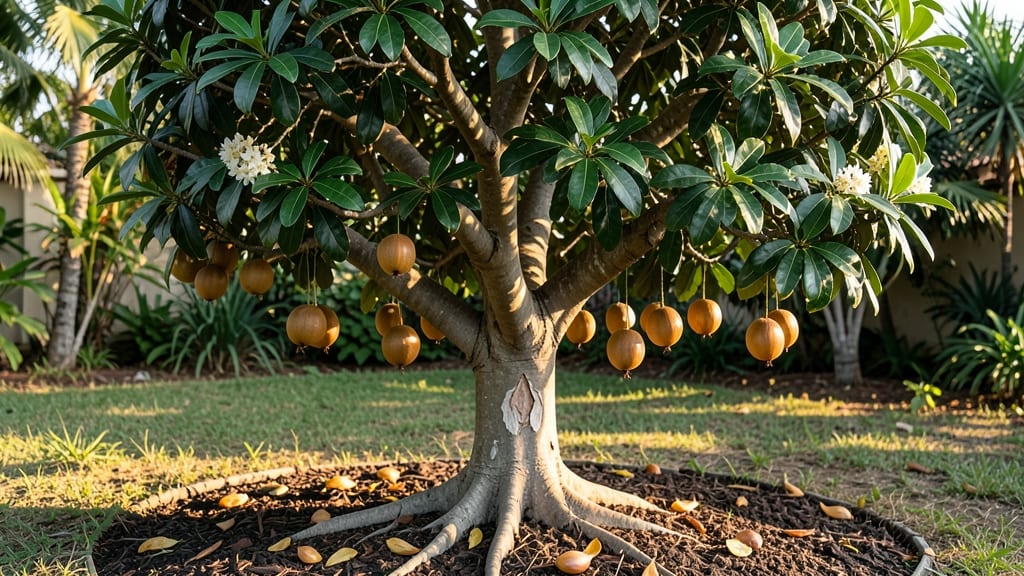
Growing a longan fruit tree means bringing a taste of Southeast Asia to your yard. 🌿 These tropical trees thrive in containers or ground, producing sweet, translucent fruits with a texture like lychees but milder.
I started mine from a nursery sapling, and within three years, it’s now a lush canopy that blooms twice yearly—once in spring and again in fall.
The key to success lies in mimicking their native environment: warm climates (zones 10-11), well-draining soil, and plenty of sunlight. If you live outside these zones, a large container lets you move the tree indoors during winter.
Water deeply but let the top inch of soil dry between sessions—overwatering is the fastest way to kill these delicate trees.
Pruning isn’t just about shaping; it’s about encouraging fruit production. Lightly trim leggy branches after harvest to promote bushier growth, and remove any dead or crossing branches.
With proper care, your tree will reward you with clusters of 1-inch fruits by late summer or early fall—each one a juicy, seedless treat.
Pests like mealybugs or scale can be a nuisance, but a strong spray of neem oil or insecticidal soap keeps them at bay. If your tree struggles with slow growth or fruit drop, check for nutrient deficiencies—longans love a balanced fertilizer during their active growing season.
Patience is key; it takes 3-5 years for a young tree to bear fruit, but the wait is worth it.
📚 In This Guide
- What you need
- Instructions
- Tips and common mistakes
- Wrapping up and next steps
What you need
- ● Pruning shears: Bypass pruners (sharp, clean, and 5-inch blades for precision cuts).
- ● Loppers: For thicker branches (½–1½ inches), with a 20-inch reach for hard-to-access areas.
- ● Hand saw: Curved-tooth pruning saw for branches 1½+ inches thick.
- ● Disinfectant: 70% isopropyl alcohol or copper-based spray to sterilize tools between cuts.
- ○ Pruning sealant: Optional but helpful for sealing large cuts (½-inch diameter or wider).
- ● Gloves: Heavy-duty gardening gloves (nitrile-coated for grip and protection).
- ● Container or ground space: Container: 15–20 gallon pot (minimum) with drainage holes.
- ● Ground planting: Sunny, well-draining spot with 6+ feet of vertical space at maturity.
- ● Potting mix: Well-draining blend (e.g., 50% cactus/succulent mix + 50% perlite for containers).
- ● Extension pole: For high branches (attach pruners or loppers).
- ● Tarp or drop cloth: To collect fallen leaves/branches.
- ● Hose or spray bottle: For rinsing tools mid-pruning.
- ● Label tags: To mark pruned sections (e.g., "Shape" or "Fruit Zone").
Step-by-step instructions for growing a longan fruit tree
Here’s how to nurture this delicate tropical beauty into a thriving, fruiting tree.
🌱 Step 1: Select and Prepare the Right Starting Material
Longan trees thrive from seeds or grafted nursery stock. If using seeds, remove the pit from a fresh longan, wash off the pulp, and let it dry for 24 hours to prevent rot. Plant the seed ½ inch deep in a 6-inch pot filled with a mix of 50% peat moss and 50% perlite—this keeps roots aerated and prevents waterlogging.
For faster fruiting, choose a 1-2 year-old grafted sapling from a reputable nursery. Inspect the roots for signs of disease before planting. If buying bare-root, soak the roots in lukewarm water for 15-20 minutes to rehydrate them before handling.
☀️ Step 2: Choose the Perfect Location and Plant
Longans need full sun (6+ hours daily) and warmth (70-90°F) to thrive. In containers, place your tree where it gets morning sun and afternoon shade if temperatures exceed 95°F. The soil should be well-draining—amend garden soil with compost or use a tropical potting mix with added perlite.
For ground planting, dig a hole twice as wide as the root ball but only as deep—burying too deep suffocates roots. If container-grown, use a 15-20 gallon pot with drainage holes. Water deeply after planting to settle the soil, then let the top 1-2 inches dry before watering again.
💧 Step 3: Maintain Ideal Conditions for Growth
Water deeply 2-3 times per week during the growing season, letting the soil dry slightly between waterings. Overwatering causes root rot—check moisture by sticking your finger 1 inch into the soil. In winter, reduce watering to once every 10-14 days as growth slows.
Fertilize every 4-6 weeks with a balanced tropical fertilizer (10-10-10 or 8-3-9) during spring and summer. Avoid high-nitrogen fertilizers—they promote leafy growth at the expense of fruit. In fall, switch to a low-nitrogen, high-phosphorus fertilizer to encourage flowering.
✂️ Step 4: Prune and Train for Shape and Fruit
Prune in late winter or early spring before new growth begins. Remove dead, diseased, or crossing branches first, then thin out 20-30% of the canopy to improve airflow. Longans respond well to open-center pruning, where you shape the tree like an umbrella with a wide, flat canopy and a short trunk. This encourages fruit production near the outer branches.
Pinch back new growth in early summer to redirect energy into fruit development. If your tree grows leggy, trim the tips of fast-growing shoots by ⅓ to promote bushier growth. Always sterilize pruning tools with rubbing alcohol to prevent bacterial infections.
🍊 Step 5: Encourage Flowering and Fruit Set
Longans need consistent warmth and humidity to flower. If your tree isn’t blooming after 2-3 years, it may need a dormancy period—reduce watering and stop fertilizing for 6-8 weeks in winter to mimic natural seasonal changes. Some growers also hand-pollinate flowers with a soft brush to improve fruit set.
Once fruit forms, thin clusters to 3-4 longans per branch—overcrowding weakens individual fruits. Harvest when the rind turns yellowish-brown and the fruit easily detaches from the tree. Store in a cool, dry place for up to 2 weeks or refrigerate for longer shelf life.
Tips & tricks for growing a thriving longan tree
Let me share the hard-won wisdom that’ll help your longan tree flourish—whether you’re starting from seed or nurturing a sapling.
Seed Starting Secret: After drying that longan pit for your 24-hour prep time, give it a quick soak in warm water for 1 hour before planting. This jumpstarts germination by breaking dormancy. I’ve found this cuts the wait time by nearly half—sometimes you’ll see sprouts in just 2-3 weeks instead of the usual month. Just keep the soil consistently moist (not soggy) during this phase.
Container Growth Hack: If growing in pots, upgrade to a 20-gallon container by year two—longans have surprisingly deep roots. I’ve seen trees in 15-gallon pots struggle after just 18 months, with roots circling the bottom. Add a 2-inch layer of gravel at the bottom for extra drainage, and elevate the pot slightly to prevent water pooling. This mimics their natural hillside habitat.
Temperature Troubleshooting: Those 70-90°F sweet spots? Your tree will tell you when it’s unhappy. Below 65°F, new leaves turn yellow and growth stalls. Above 95°F, leaves curl and fruit drops prematurely. I use a small fan on hot days to create airflow—it keeps temps down without sacrificing humidity. For indoor growers, a heat mat during winter helps maintain root warmth.
Pruning Payoff: When thinning that 20-30% of canopy in Step 4, focus on removing branches growing toward the center. I’ve seen trees produce 30% more fruit after just one proper pruning session because sunlight reaches all branches. Always make cuts at a 45-degree angle just above a leaf node—this encourages faster healing and new growth.
Pro Tips for Longan Fruit Tree
- Let me share the hard-won wisdom that’ll help your longan tree flourish—whether you’re starting from seed or nurturing a sapling.
- Seed Starting Secret: After drying that longan pit for your 24-hour prep time, give it a quick soak in warm water for 1 hour before planting.
- Container Growth Hack: If growing in pots, upgrade to a 20-gallon container by year two—longans have surprisingly deep roots.
Frequently asked questions
How long does it take for a longan tree to bear fruit?
A longan tree typically takes 3 to 5 years to produce fruit when grown from seed. However, grafted trees can bear fruit in as little as 2 years under ideal conditions. Patience is key—focus on proper care (sunlight, water, and soil) to speed up fruiting!
Can longan trees survive cold weather?
Longan trees are tropical and struggle in temperatures below 40°F (4°C). If you live in a colder climate, grow them in containers and move them indoors during winter. Alternatively, plant them in microclimates (like near a south-facing wall) for extra warmth.
Do longan trees need full sun?
Yes! Longan trees thrive in full sun (6+ hours daily), but they can tolerate partial shade in hot climates. If growing indoors, place them near a bright window or use grow lights. Too little light leads to smaller fruit and weaker growth.
How often should I water a longan tree?
Water deeply 2-3 times per week in hot weather, but let the top 2 inches of soil dry out between waterings. Overwatering causes root rot—always ensure pots have drainage holes. In winter, reduce watering to once a week or less.
What pests commonly attack longan trees?
Watch for aphids, mealybugs, and scale insects, which sap plant strength. Treat early with neem oil or insecticidal soap. Spider mites may appear in dry conditions—mist leaves regularly to prevent them. Prune affected branches to stop spread.
Wrapping up and next steps
Growing a longan fruit tree is a rewarding journey that blends tropical beauty with delicious harvests! Whether you’re pruning for shape, health, or fruit production, remember that patience and consistency are key.
With the right tools, techniques, and care, your tree will thrive—whether in a container or planted in the ground.
Ready to take the next step? Start small: pick one pruning task this season, observe your tree’s response, and adjust as needed. Happy growing—your future longan harvests will thank you! 🌱🍈