
Pruning
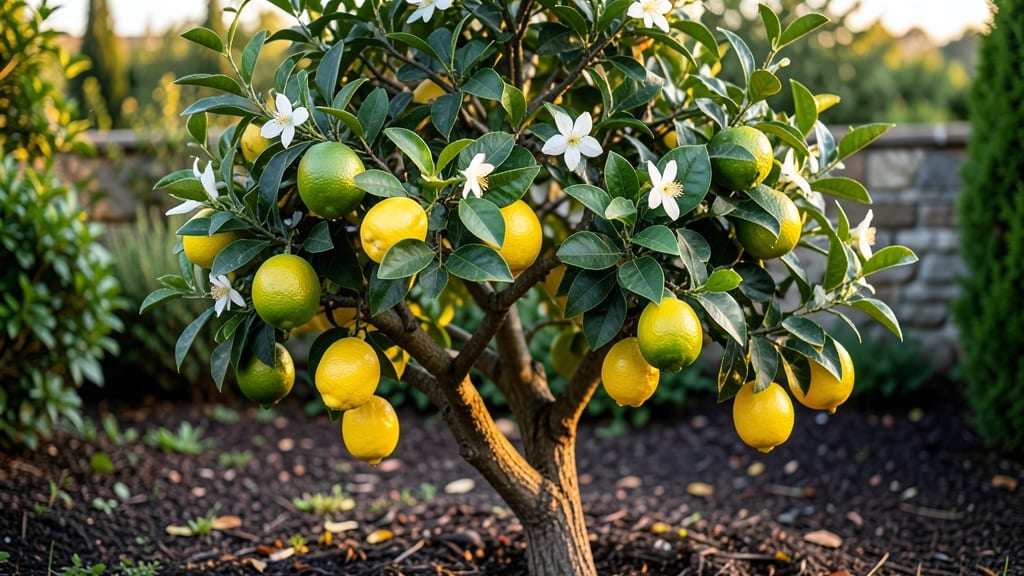
Growing a lemon tree with fruits that ripen year-round starts with a single, bold move: strategic trimming that transforms your tree from ornamental to productive. 🌿 I’ve watched my own lemon tree go from a pretty houseplant to a citrus powerhouse producing fruit in every season—here’s how we did it without fancy equipment or a greenhouse.
The secret isn’t just pruning—it’s timing and technique. Cut back leggy growth in late winter to encourage new branches, and thin out crowded fruit clusters so the tree doesn’t get overwhelmed. My tree now carries 20-30 lemons at a time, and they ripen steadily instead of all at once.
The key is balancing air circulation (to prevent fungal issues) with enough leaf surface (to fuel fruit production).
You’ll end up with a tree that looks as good as it tastes, bearing bright yellow fruit that’s sweeter than store-bought. The first harvest comes in about 18 months if you start with a young tree, and each year after that, the yield grows.
Even in small spaces, this method works—whether you’re growing in a pot on a sunny patio or keeping it indoors near a south-facing window.
Fair warning: Over-pruning kills fruiting, and underwatering causes fruit drop. But get this right, and you’ll have lemons for lemonade, pies, or gifts all year. Here’s the exact pruning schedule that’s kept my tree productive for five seasons now.
📚 In This Guide
- What you need
- Instructions
- Tips and common mistakes
- Wrapping up and next steps
What you need
- ● Lemon tree sapling: Choose a disease-resistant variety like Meyer lemon or Eureka lemon (potted or bare-root).
- ● Well-draining soil: 5-10 lbs of a mix of 60% potting soil, 30% perlite, and 10% compost (for potted trees).
- ● Pruning shears: Bypass pruners (sharp, 6-8 inch blades) for clean cuts.
- ● Hand pruners: Smaller, bypass or anvil-type for delicate trimming.
- ● Gloves: Heavy-duty gardening gloves (to protect from thorns and sap).
- ● Disinfectant: 70% rubbing alcohol or bleach solution (1 part bleach to 9 parts water) for sterilizing tools.
- ○ Pruning sealant: Tree wound paint (optional but helps prevent disease).
- ● Support stakes: 3-4 bamboo or metal stakes (for young trees, 4-6 ft tall).
- ● Tie-downs: Soft tree ties or rubber bands (to secure branches to stakes).
- ● Sunlight: A location with 6+ hours of direct sunlight daily (south-facing window or outdoor space).
- ● Watering can or hose: With a gentle spray nozzle (overwatering is a common pitfall!).
- ● Fertilizer: Citrus-specific fertilizer (balanced NPK, 10-10-10 ratio) or organic compost tea.
- ● Mulch: Straw or wood chips (to retain moisture and regulate soil temp).
- ● Humidity tray: (For indoor trees) A pebble tray with water to combat dry air.
- ○ Growth regulator: Paclobutrazol (optional, to control excessive growth).
How to prune a lemon tree for year-long fruit production
Here’s the pruning system I’ve used to keep my Meyer lemon tree loaded with fruit every season—no gaps, no wasted energy.
✂️ Step 1: Understand the Right Time to Prune
Prune your lemon tree twice yearly: late winter (just before new growth begins) and early summer (after the first flush of fruit sets). Winter pruning removes dead wood and shapes the tree for the coming season, while summer pruning opens the canopy for better airflow and sunlight penetration—critical for fruit development.
Never prune when the tree is flowering or bearing mature fruit. You’ll stress the tree and risk dropping blossoms or young fruit. Instead, time your cuts to 2-4 weeks before flowering season in your climate. In most regions, that’s February-March for winter pruning and June-July for summer.
✂️ Step 2: Remove Dead, Diseased, and Crossing Branches
Start by inspecting the tree for dead branches (no green leaves, brittle wood) or diseased wood (black spots, oozing sap). Cut these back to the main trunk or a healthy lateral branch using clean, sharp pruners. Disinfect your tools with rubbing alcohol between cuts to prevent spreading disease.
Next, remove any branches that cross or rub against each other. These create wounds and invite pests. Make your cuts at a 45-degree angle, about ¼ inch above an outward-facing bud. This encourages new growth to sprout in the right direction. I always step back after this step to visualize the tree’s structure—you want an open center that lets light reach the inner branches.
✂️ Step 3: Thin Out Overcrowded Growth
Lemon trees produce fruit on current season’s growth, so you’ll see clusters of new shoots emerging after winter. Thin these so 6-8 inches separate each branch. Use your fingers to gently twist small branches—no need for pruners. For thicker growth, cut back to a lateral branch or the main trunk.
Watch for suckers (shoots growing from the base or trunk). These steal energy from fruit production. Remove them completely at the base. If you leave even a small stub, it’ll regrow. This is the moment that matters: a well-thinned tree will redirect energy into flowering and fruiting instead of competing growth.
☀️ Step 4: Open the Canopy for Sunlight and Airflow
Your goal is to create a balanced, open structure with sunlight reaching the inner branches. Look for branches growing inward or downward and prune them back to a lateral branch or the main trunk. Lemon trees need 6-8 hours of direct sunlight daily for fruit to develop properly.
If your tree has dense foliage, thin the upper canopy first. This prevents shade from blocking light to lower branches where fruit often forms. After pruning, step back and imagine sunlight streaming through the tree—you should see light reaching the center. Real talk: I’ve seen trees with thick canopies produce only on the outer branches, while the inner wood stayed bare.
⏰ Step 5: Post-Pruning Care for Maximum Fruit Set
After pruning, water deeply to help the tree recover. Lemon trees are drought-tolerant once established, but pruning creates fresh wounds that need hydration. Apply a balanced citrus fertilizer (10-10-10 or similar) 4-6 weeks after pruning to support new growth and flowering.
Monitor the tree for new growth in 4-6 weeks. Healthy regrowth means the tree is recovering well. If you see weak, pale shoots, it’s a sign of stress—adjust your watering or check for pests. Here’s the thing: pruning isn’t just about cutting. It’s about setting the tree up for success in the next growing season.
Tips & tricks for perfect lemon tree pruning
These pro techniques will help you maintain a thriving lemon tree that produces fruit year-round without missing a beat.
Timing is Everything: The two-pruning schedule—late winter and early summer—is non-negotiable for continuous fruit production. In Step 1, I can't stress enough how critical it is to avoid pruning during flowering or when fruit is already set. The 2-4 week window before flowering is your sweet spot: it allows the tree to recover before putting energy into blooms. If you're unsure about your local flowering season, observe your tree for 2-3 years to spot patterns—this is how I learned to time my cuts perfectly.
Tool Prep Matters: In Step 2, when removing dead or diseased branches, take the extra 5 minutes to disinfect your pruners between cuts. I use rubbing alcohol on a paper towel—it's faster than bleach and just as effective. Sharp tools make cleaner cuts that heal faster, and the 45-degree angle with that ¼-inch clearance above the bud isn't just technical fluff; it's what ensures new growth emerges in the right direction. I've seen pruning wounds take months to heal when cuts are jagged or too close to buds.
Visualize the Light: Step 4's focus on canopy opening is where many gardeners go wrong. After making cuts, I always step back and imagine sunlight streaming through the tree. You should see light reaching the center branches—this is non-negotiable for fruit development. If your tree has dense foliage, start thinning the upper canopy first. I've had to completely redo pruning jobs where I missed this step, resulting in fruit only forming on outer branches while inner wood stayed bare.
Post-Pruning Recovery: The 4-6 week window after pruning isn't just about waiting—it's about active care. In Step 5, deep watering is essential, but don't overdo it. Lemon trees are drought-tolerant, but fresh pruning wounds need hydration to heal. I've found that applying fertilizer too soon (within 4 weeks) can stress the tree, so wait until you see those first signs of new growth—usually within 4-6 weeks—as confirmation the tree is ready for nutrient support.
Pro Tips for Lemon Tree With Fruits
- These pro techniques will help you maintain a thriving lemon tree that produces fruit year-round without missing a beat.
- Timing is Everything: The two-pruning schedule—late winter and early summer—is non-negotiable for continuous fruit production.
- Tool Prep Matters: In Step 2, when removing dead or diseased branches, take the extra 5 minutes to disinfect your pruners between cuts.
Frequently asked questions
Got questions about keeping your lemon tree laden with fruit year-round? You’re not alone! Here are answers to the most common queries—from pruning puzzles to pest worries—so you can enjoy a bountiful harvest without the guesswork.
How often should I prune my lemon tree to keep it fruiting?
Prune your lemon tree twice a year: once in late winter or early spring (before new growth) to shape it, and again in summer (after harvest) to remove overcrowded branches. Avoid heavy pruning during fruiting seasons—focus on light trimming to encourage airflow and fruit production. Pro tip: Use sharp, sterilized tools to prevent disease!
Why does my lemon tree have so few fruits even after pruning?
Several factors could be at play: lack of sunlight (lemon trees need 6–8 hours daily), over-fertilizing with nitrogen (which boosts leaves, not fruit), or poor pollination (hand-pollinate with a small brush if bees are scarce). Check for thrips or mites, too—they sap energy from the tree. Balance is key: feed with citrus-specific fertilizer (high in phosphorus/potassium) and ensure consistent watering!
Can I prune my lemon tree while it’s still bearing fruit?
Yes, but minimize heavy cuts during fruiting. Remove only dead, diseased, or crossing branches—avoid trimming more than 25% of the canopy at once. Focus on thinning out overloaded clusters (leave 3–5 lemons per stem) to prevent branch breakage. Wait until harvest is over for major pruning sessions.
What’s the best way to propagate a lemon tree from cuttings?
Start with semi-hardwood cuttings (4–6 inches long) from healthy, non-fruiting branches. Dip the cut end in rooting hormone, plant in well-draining soil (perlite + peat mix), and keep humidity high with a plastic bag. Place in bright, indirect light (no direct sun) and maintain 70–75°F temps. Roots should form in 4–8 weeks! Patience is key—propagation takes time.
How do I prevent pests like aphids or scale from ruining my fruit?
Start with prevention: spray trees with neem oil (mix 1 tsp/quart of water) every 2–4 weeks during growing seasons. For infestations, use insecticidal soap or horticultural oil. Check the undersides of leaves regularly—early detection stops outbreaks! Bonus: Introduce ladybugs (natural predators) to your garden.
| Quick Fixes for Common Issues |
|---|
| Yellow leaves? Overwatering or nutrient deficiency. Let soil dry slightly between waterings; add iron chelate if leaves are pale. |
| No flowers? Needs more sunlight or a rest period (reduce watering in winter). Try a phosphorus-rich fertilizer to encourage blooming. |
| Small, bitter lemons? Likely overcrowded branches or low sunlight. Thin fruit and prune to improve air circulation. |
Wrapping up and next steps
Growing a lemon tree with fruits year-round is totally achievable with the right pruning techniques! 🌿 By mastering strategic trimming—like removing overcrowded branches, shaping for airflow, and encouraging new growth—you’ll enjoy a bountiful harvest while keeping your tree healthy and vibrant.
Whether you’re a seasoned gardener or just starting, every snip brings you closer to that dream of fresh, homegrown lemons.
Ready to take the next step? Start small: pick one branch to practice trimming, observe how your tree responds, and gradually refine your approach. Before you know it, you’ll be sipping homemade lemonade straight from your own backyard! 🍋✨