
Fertilization
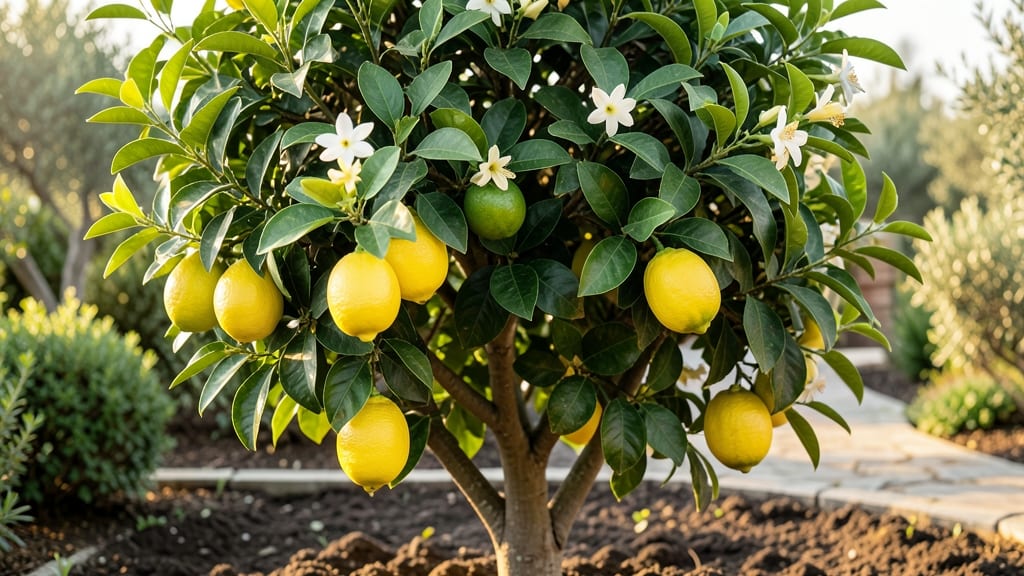
Growing large citrus fruit like navel oranges and grapefruits in your backyard isn’t just possible—it’s a sun-drenched reality within a year. ✨ The secret lies in mimicking their Mediterranean homeland with just the right soil mix, watering rhythm, and a little patience as those first blossoms appear.
I’ve watched my own trees go from potted seedlings to heavy-fruiting giants by following these same steps, and you can too.
You’ll need a spot that bakes in full sun (at least 8 hours daily), well-draining soil with a pH between 6.0 and 7.0, and a watering routine that keeps roots moist but never soggy.
Citrus trees are surprisingly forgiving once you get their basic needs right—no fancy equipment required, just a shovel, pruners, and maybe a trellis for support as they grow. The real magic happens when you time your fertilizing to match their growth cycles.
By next summer, you’ll be harvesting fruit that’s larger and sweeter than anything from the grocery store. The first taste of a homegrown orange, still warm from the sun, is a flavor memory you’ll never forget.
We’re talking 3-4 pound grapefruits and oranges so heavy they need two hands to lift—plus the pride of knowing you grew them yourself.
Works in zones 9-11, but container-growing extends this to cooler climates. Let’s get those roots growing!
📚 In This Guide
- What you need
- Instructions
- Tips and common mistakes
- Wrapping up and next steps
What you need
- ● Citrus trees: 2–4 dwarf varieties (e.g., Citrus × aurantium for oranges or Citrus × paradisi for grapefruit). Choose 1–2-year-old saplings from a nursery for faster growth.
- ● Well-draining potting mix: 5–10 gallons of a blend with 50% peat/coir, 30% perlite, and 20% compost (or a pre-mixed citrus soil). Avoid garden soil—it compacts easily!
- ● Containers: 2–3 large pots (15–20 gallons each) with drainage holes, or a raised bed (minimum 3 ft deep).
- ● Slow-release fertilizer: 10-10-10 NPK ratio, 1–2 lbs per tree. Reapply every 3–4 months.
- ● Citrus-specific micronutrients: Zinc, iron, and magnesium supplements (e.g., Citrus Tone) to prevent deficiencies.
- ● Watering can or drip irrigation: With a fine rose nozzle to avoid disturbing roots.
- ● Mulch: 2–3 inches of wood chips or straw to retain moisture and regulate soil temp.
- ● Pruning shears: Sharp, bypass-style shears (sterilized with rubbing alcohol).
- ● pH test kit: To monitor soil pH (ideal range: 6.0–7.0 for citrus).
- ● Thermometer: A soil thermometer to ensure roots stay above 40°F (4°C).
- ● Support stakes: 3–4 ft bamboo stakes + soft ties for young trees.
- ○ Pollination aid (optional): A small paintbrush to hand-pollinate flowers if bees are scarce.
- ● Grow lights: LED full-spectrum bulbs for indoor setups (12–14 hrs/day).
- ● Automatic timer: For consistent watering/light cycles.
- ● Citrus fruit thinners: To limit overcrowding (e.g., Paclobutrazol for dwarfing).
- ● Pest control: Neem oil spray or yellow sticky traps for aphids/whiteflies.
Step-by-step guide to growing large citrus fruit from seed
Here’s how to nurture sun-drenched oranges and grapefruits from tiny seeds into fruit-bearing trees.
🌱 Step 1: Extract and Prep Citrus Seeds
Start with fresh citrus fruit—organic is best. Cut the fruit in half, scoop out the seeds, and rinse them thoroughly to remove any pulp. Spread them on a paper towel to dry for 24 hours at room temperature. This prevents mold and speeds up germination. I like to label a small container with the variety and date—it’s easy to forget which seeds came from which fruit!
Once dry, place the seeds between damp paper towels in a sealed plastic bag. Store them in a warm, dark spot (70-75°F) for 7-10 days. Check daily for sprouting—you’ll see tiny white roots emerge first, followed by the green shoot. This is your cue to move to soil.
🪴 Step 2: Plant Sprouted Seeds in Containers
Fill 6-inch pots with a well-draining citrus-specific potting mix (or blend equal parts potting soil, perlite, and compost). Plant each seedling 1 inch deep, spacing them 3 inches apart in the pot. Gently pat the soil around the seedling to secure it without compacting. Use the 4 seedlings you’ve prepped—this gives you flexibility if some don’t thrive.
Water lightly until the soil is moist but not soggy. Place the pots in a bright, indirect light spot (like a south-facing window) and keep the soil consistently moist. Avoid letting it dry out completely—citrus seedlings are delicate at this stage. You’ll notice the first true leaves appear in 3-4 weeks, signaling healthy growth.
☀️ Step 3: Transition to Full Sun and Fertilize
Once seedlings have 4-5 leaves, gradually introduce them to direct sunlight over 7-10 days. Start with 2-3 hours of morning sun, then increase daily. Full sun (6+ hours daily) is critical for strong growth, but avoid harsh afternoon sun initially—it can scorch tender leaves. A grow light works well if natural light is limited.
Begin fertilizing with a balanced citrus fertilizer (like 6-6-6) every 4-6 weeks once the seedlings are 3 months old. Dilute the fertilizer to half-strength the first few times to avoid burning young roots. You’ll see lush, dark green leaves develop—this means your tree is thriving and ready for the next phase.
⏰ Step 4: Prune and Repot for Growth
When your seedlings reach 12-18 inches tall, prune back the leggy growth to encourage bushier growth. Use clean pruning shears to trim just above a leaf node, where new branches will form. This step is crucial—it prevents weak, spindly trees that struggle to bear fruit. After pruning, repot into 1-gallon containers with fresh potting mix to give roots more room to expand.
Continue fertilizing monthly and monitor for pests like aphids or spider mites. A neem oil spray keeps them at bay naturally. By 12 months, your citrus trees should be sturdy enough to produce their first flowers—and eventually, fruit! Patience is key here; fruit-bearing can take 2-3 years, but the journey is rewarding.
Tips & tricks for growing sun-kissed citrus trees
Here's what nobody tells you about growing citrus from seeds—these tricks will help you avoid common pitfalls and maximize your success.
Selection Tip: Not all citrus seeds are created equal! Choose seeds from organic, ripe fruit for the best germination rates. I've found that grapefruit seeds often sprout faster than orange seeds, so if you're impatient, start with a mix. Avoid seeds from hybrid fruits—they may not produce true-to-type fruit later on. The 24-hour drying period is crucial here; it removes excess moisture that can cause mold and speeds up germination by breaking seed dormancy.
Germination Environment: The warm, dark spot you create for sprouting should maintain a steady 70-75°F temperature—this mimics tropical conditions where citrus naturally grows. I use a small seedling heat mat under the plastic bag to maintain warmth, especially in cooler homes. Check for sprouts daily starting around day 5—you'll see tiny white roots first, followed by the green shoot. Once you spot roots, move to soil immediately to prevent them from circling in the bag.
Light Transition Strategy: When you're ready to introduce direct sunlight in Step 3, do it gradually over those 7-10 days to prevent sunburn on tender leaves. Start with morning sun only—afternoon sun can be too intense for seedlings. I've seen many beginners rush this step and end up with brown, crispy leaves. If you're using a grow light, position it 6-12 inches above the seedlings and keep it on for 12-14 hours daily to simulate natural light cycles.
Pruning Insight: When pruning leggy growth at the 12-18 inch stage, focus on creating an open center rather than just cutting back length. This allows sunlight to penetrate to the inner branches, which is crucial for fruit development later. I make small cuts just above leaf nodes where new branches will form—this encourages bushier growth. After pruning, give your tree a few days to recover before repotting into the larger container.
Pro Tips for Large Citrus Fruit
- Here's what nobody tells you about growing citrus from seeds—these tricks will help you avoid common pitfalls and maximize your success.
- Selection Tip: Not all citrus seeds are created equal!
- Germination Environment: The warm, dark spot you create for sprouting should maintain a steady 70-75°F temperature—this mimics tropical conditions where citrus naturally grows.
Frequently asked questions
Got questions about growing those sun-kissed, jumbo citrus fruits? You’re not alone! Here are some of the most common queries—and their straightforward answers—to help you grow like a pro.
How often should I fertilize large citrus trees?
Fertilize every 4–6 weeks during active growth (spring through fall) with a balanced citrus fertilizer (e.g., 6-6-6 or 8-3-9). Reduce to monthly in winter—citrus trees rest then! Over-fertilizing can burn roots, so follow label rates. Pro tip: Use slow-release granules for steady nutrients.
When will my citrus tree start producing large fruit?
Patience is key! Most citrus trees take 2–5 years to bear fruit, but dwarf varieties (like ‘Improved Meyer’ lemons) can fruit in 1–2 years with proper care. For jumbo-sized fruit, prioritize full sun, consistent water, and balanced fertilization—especially in the first year after flowering.
Why are my citrus fruits small, even though I’m following care tips?
Small fruit often means nutrient deficiencies, poor pollination, or stress. Check for:
- Zinc deficiency (yellow mottling on leaves)—use a zinc spray.
- Thinning fruit (leave 6–8 inches between fruits to avoid overcrowding).
- Inconsistent watering (drought stress = tiny fruit).
- Lack of pollinators—hand-pollinate with a brush if bees are scarce.
Can I grow large citrus fruit indoors?
Yes, but expect smaller fruit due to limited light and space. Choose dwarf varieties (like ‘Calamondin’ or ‘Ponkan’ mandarins) and place near a south-facing window or under grow lights (12+ hours/day). Use container-specific citrus fertilizer and repot every 2–3 years for better growth. Warning: Indoor trees may need winter dormancy (cooler temps, less water).
What’s the best fertilizer alternative if I can’t find citrus-specific mix?
Use a low-nitrogen, high-potassium fertilizer (like 6-6-6 or 5-10-10) mixed with compost or worm castings for organic matter. Avoid high-nitrogen lawn fertilizers—they promote leafy growth over fruit. For a quick fix, Epsom salt (magnesium sulfate) helps with yellowing leaves, but don’t overdo it (1 tbsp/gallon of water, monthly).
Wrapping up and next steps
Growing large, sun-kissed citrus fruits like oranges and grapefruits is a rewarding journey that blends patience, care, and a dash of tropical charm! 🌞 With the right soil, fertilization, and a little love, you can enjoy juicy, homegrown citrus in just 12 months.
Remember, consistency is key—whether it’s pruning, watering, or feeding your trees.
Now that you’re armed with the knowledge, why not take the next step? Start with a single citrus sapling, follow your growing guide, and soon you’ll be savoring the sweet taste of success—literally! Share your progress with fellow gardeners or even gift your harvest to friends. Happy growing! 🌱