
Shrubs
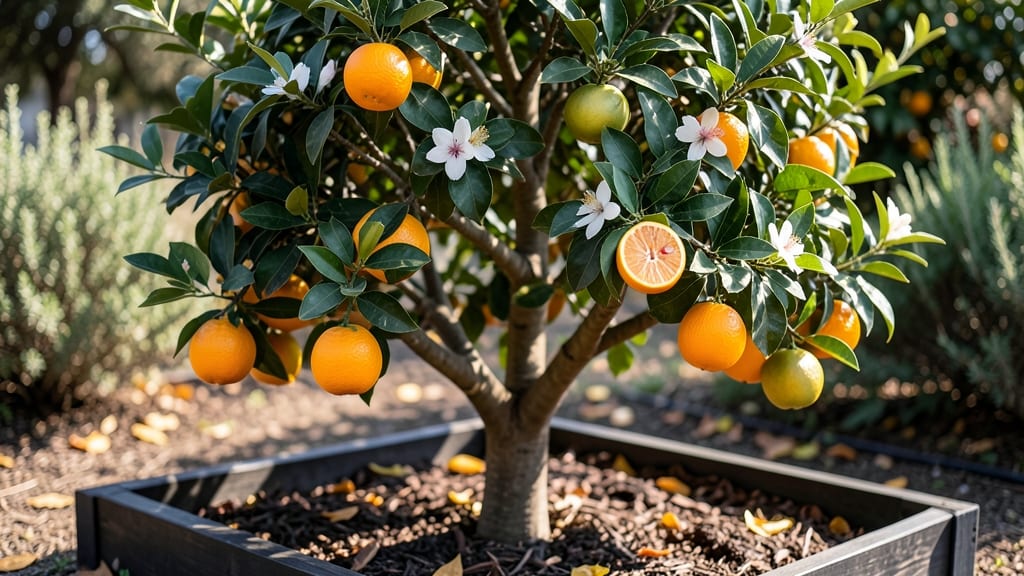
Fruits from orange trees with red seeds develop due to genetic traits or environmental factors like heat stress, and this usually doesn't change the fruit's taste but may signal stronger disease resistance in varieties such as blood oranges or grapefruit. Check for spoilage before eating.
Red seeds in citrus fruits like oranges often appear because of natural anthocyanin pigments—those same compounds that create vibrant red hues in berries and flowers. 🌿 This genetic quirk is more common in hybrid varieties, where cross-pollination can trigger unexpected coloration.
While it doesn’t ruin flavor, it’s a sign of genetic diversity that might also boost the fruit’s resilience against pests or temperature swings. Gardeners sometimes intentionally cross-pollinate trees to encourage this trait, though it requires patience and precise timing to achieve consistent results.
What’s fascinating is how environmental stress plays a role too.
Extreme heat or inconsistent watering can amplify red pigmentation, almost like the fruit’s way of signaling it’s working harder to survive. 🌞 This is why you might spot more red-seeded citrus in late summer harvests—when trees face their toughest growing conditions. The key takeaway?
These seeds aren’t just a visual oddity; they’re a biological clue about the fruit’s origins and potential hardiness.
💡 In This Article
- Genetic and Environmental Causes of Red Citrus Seeds
- Growing Citrus with Vibrant Seeds: Tips for Gardeners
Genetic and environmental causes of red citrus seeds
The vibrant red seeds in citrus fruits like blood oranges or grapefruit are primarily caused by anthocyanin pigments, the same compounds responsible for the red hues in apples, berries, and even some flowers.
These pigments form when specific genes activate under certain conditions, producing a deep red color instead of the usual white or pale yellow.
The process involves flavonoid biosynthesis, where enzymes like chalcone synthase convert phenylalanine into anthocyanins—this is why red seeds appear more frequently in hybrid varieties, where genetic mixing can trigger unexpected pigmentation pathways.
Environmental stress plays a surprisingly large role in this phenomenon. High temperatures above 90°F, inconsistent watering, or poor soil drainage can all increase anthocyanin production as a survival mechanism.
Think of it like a plant’s version of tanning—under stress, the fruit ramps up pigment production to protect itself from UV damage or dehydration. 🌡️ For example, blood oranges grown in Mediterranean climates often develop more intense red seeds when summer heat spikes, while those in cooler regions may remain paler.
Sunlight exposure also matters: direct, intense light triggers more anthocyanin synthesis compared to shaded conditions.
Pollination stress is another key factor. When citrus trees experience poor pollination—whether from lack of bees, wind, or incompatible varieties—the resulting fruit may develop red seeds as a compensatory response.
This is particularly common in self-pollinating hybrids like certain grapefruit varieties, where genetic instability leads to more dramatic pigment variations. The red seeds themselves aren’t harmful; they’re simply a visual indicator of the fruit’s adaptive mechanisms at work.
In fact, studies show these seeds often correlate with higher levels of antioxidants, making the fruit not just visually striking but potentially more nutritious.
Comparing red seeds to their white or yellow counterparts reveals fascinating differences. White seeds, for instance, contain less pigment but may indicate more uniform genetic stability, while red seeds suggest heterozygosity—a mix of dominant and recessive traits that can enhance disease resistance.
For example, a blood orange with red seeds might handle fungal infections better than one with white seeds, thanks to the anthocyanins acting as natural fungicides. This is why commercial growers sometimes select for red-seeded varieties in regions prone to citrus blight.
One common misconception is that red seeds always mean the fruit is overripe or spoiled. In reality, the color change is purely genetic or stress-induced and doesn’t affect taste or ripeness.
However, overly dark or moldy seeds (not just red) can signal spoilage, so always inspect the fruit’s interior before eating. The red pigment is concentrated in the seed coat, leaving the edible flesh untouched—so unless you’re eating the seeds (which most people don’t), the color is purely cosmetic.
For citrus enthusiasts, this phenomenon offers a window into the fruit’s genetic story. Red seeds are a reminder that even something as simple as an orange can carry complex biological signals—whether it’s a sign of hybrid vigor, environmental resilience, or simply a quirk of nature’s palette.
Next time you spot red seeds, you’ll know they’re not just a pretty detail, but a clue about the fruit’s journey from tree to table. 🌿