
Fertilization
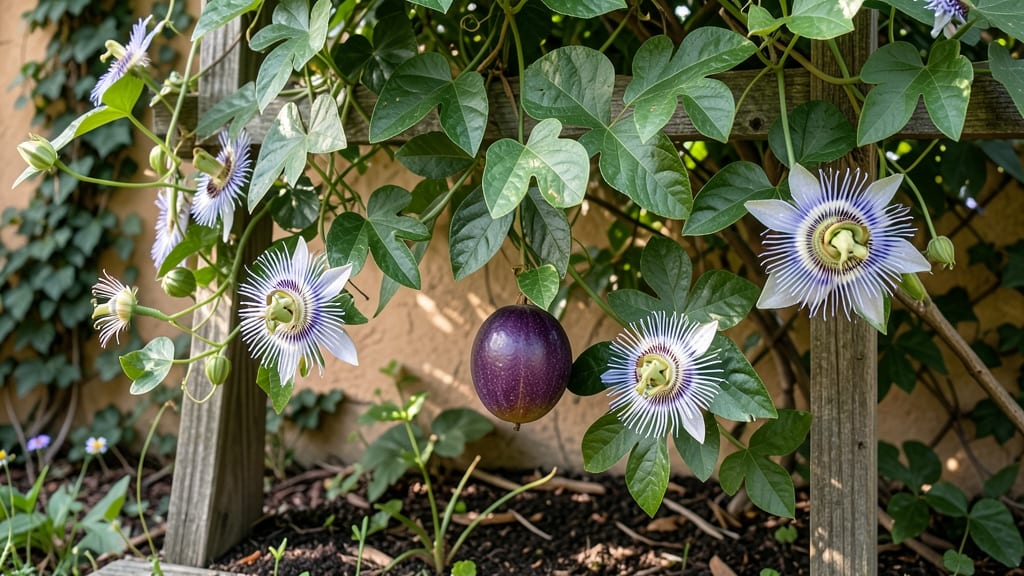
Passionfruit is botanically classified as a fruit, but it’s scientifically a berry because its fleshy interior develops from a single ovary. The hard outer shell and multiple seeds don’t change its botanical category, which is determined by reproductive structure rather than common usage.
This classification might seem confusing because we usually think of berries as small, soft fruits like blueberries. 🌱 In botanical terms, a berry is defined by its ovary structure—passionfruit fits because its entire ovary wall becomes fleshy, even though it has a tough outer rind.
The confusion arises because everyday language often uses "berry" to describe small, juicy fruits, while science looks at how the fruit develops from the flower. For example, tomatoes and cucumbers are also botanical berries, even though we don’t typically call them that in daily conversation.
What’s fascinating is how this classification affects how we understand passionfruit’s growth and cultivation. The hard shell protects the fruit as it develops, but the fleshy interior is what we eat and enjoy.
Understanding this botanical quirk helps gardeners know how to care for passionfruit vines—like providing the right support for their heavy fruit or ensuring proper pollination since some varieties need help from bees or even manual pollination.
💡 In This Article
- Botanical Classification: Why Passionfruit Is a Berry
- Growing Passionfruit: Tips for Cultivating This Unique Berry
Botanical classification: why passionfruit is a berry
The key to understanding why passionfruit is classified as a berry lies in its reproductive anatomy. Botanically, a berry is defined as a fruit where the entire ovary wall (called the pericarp) becomes fleshy and surrounds one or more seeds.
Passionfruit fits this definition perfectly—its bright yellow or purple interior develops from a single ovary, with the fleshy pulp containing hundreds of tiny, hard seeds embedded throughout. This contrasts with everyday usage where we associate "berries" with small, soft fruits like strawberries or blackberries.
What makes this classification fascinating is how passionfruit’s hard outer shell doesn't disqualify it from being a berry.
The shell (exocarp) is actually a tough, leathery layer that protects the developing fruit, while the fleshy middle layer (mesocarp) is what we consume. 🌱 For comparison, consider tomatoes—also botanical berries with a fleshy interior and seeds, despite their different outer textures.
The passionfruit’s shell serves a similar protective role as a tomato’s skin, but it’s thicker and more rigid due to its tropical growing conditions.
Here’s where the science gets even more interesting: the passionfruit’s ovary structure is what truly matters. When the flower fertilizes, the ovary walls develop into the fruit we recognize. In passionfruit, this entire ovary becomes fleshy, which is the defining characteristic of a berry.
The presence of multiple seeds doesn’t change this classification—in fact, many berries (like grapes) have numerous seeds too. What sets passionfruit apart is how its seeds are embedded throughout the pulp rather than clustered in one area.
This botanical classification has practical implications for how we understand passionfruit’s growth. The hard shell isn’t just for show—it protects the developing fruit from pests and physical damage in tropical climates where passionfruit thrives.
Meanwhile, the fleshy interior develops from the ovary walls, which is why passionfruit shares this berry classification with other tropical fruits like kiwis and bananas. The confusion often arises because we use "berry" colloquially to describe small, juicy fruits, but science looks at the fruit’s development from the flower.
To put this into perspective, let’s compare passionfruit to two other fruits we commonly call "berries": strawberries and blueberries. Strawberries are actually aggregates of many small fruits (achenes) and aren’t true berries botanically.
Blueberries, however, are true berries—their entire ovary becomes fleshy, just like passionfruit. This comparison shows how everyday language and botanical definitions can differ significantly, especially when it comes to fruits with complex structures.
Understanding this classification helps explain why passionfruit behaves differently in cultivation. For example, its hard shell requires different support structures when growing on vines, while the fleshy interior develops best in warm, humid climates.
The seeds, though numerous, are all contained within that single ovary structure, which is why passionfruit is classified as a berry despite its unusual appearance compared to other fruits we call "berries."
What most people don’t realize is that this botanical classification affects how we cook and use passionfruit too. The fleshy pericarp (the edible part) is what gives passionfruit its unique tart-sweet flavor profile, while the hard shell is typically discarded.
This is why passionfruit is often used in juices, desserts, and sauces—its berry classification means we’re consuming the fleshy ovary wall, just like we do with other botanical berries. 💫