
Vegetables
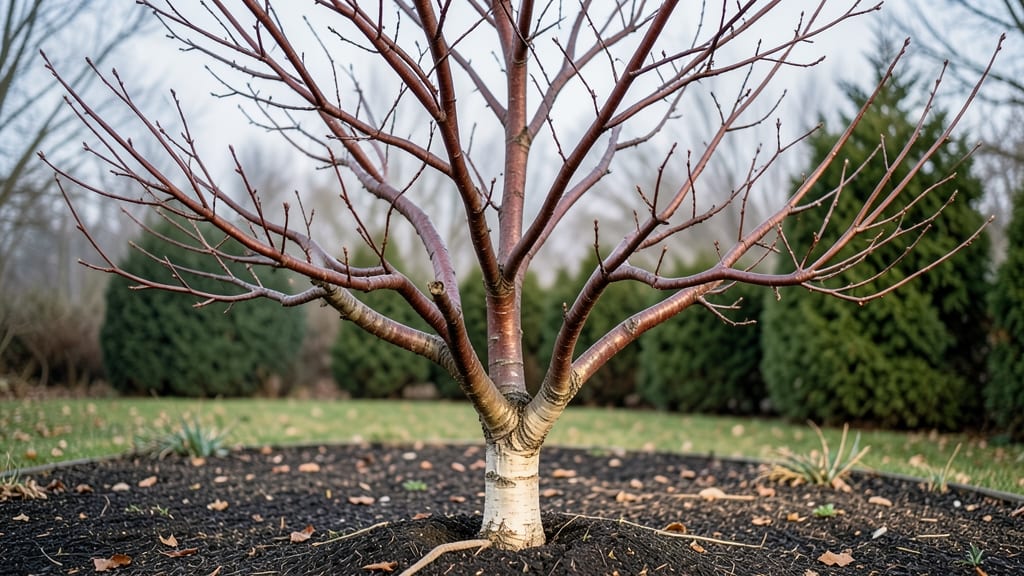
Guava isn't a winter fruit—it grows best in tropical climates where temperatures stay warm year-round, with harvests peaking during humid seasons rather than cold months. Unlike temperate fruits that pause growth in winter, guava trees produce continuously in ideal conditions.
Guava thrives in 70–90°F conditions, making it impossible to cultivate in true winter climates. 🌴 Unlike apples or pears that enter dormancy during cold months, guava trees keep producing fruit whenever warmth and humidity align—often year-round in places like Florida or Southeast Asia.
This explains why you’ll find guava in grocery stores during winter: it’s imported from tropical regions where harvests never stop.
What’s fascinating is how regional weather patterns affect availability. In India, monsoon rains trigger peak harvests, while California’s limited winter-friendly zones produce guava only in milder microclimates. Home gardeners in subtropical areas can extend growing seasons by protecting plants from frost and choosing fast-maturing varieties.
💡 In This Article
- Tropical Climate Requirements for Guava Growth
- Guava Harvest Seasons by Global Region
Tropical climate requirements for guava growth
Guava trees demand 70–90°F temperatures to thrive, a range that excludes true winter climates entirely. Unlike temperate fruits like apples or pears—which enter dormancy and stop growing when temperatures drop below 50°F—guava trees remain active year-round in tropical zones.
This continuous growth is possible because their metabolic processes, including photosynthesis and flowering, aren’t disrupted by cold. In fact, temperatures below 55°F can stunt growth or even kill young trees, making winter conditions completely incompatible with guava cultivation.
The fruit’s success hinges on two critical factors: humidity and sunlight. Guava trees require 60–80% relative humidity to prevent fruit from splitting or becoming dry and mealy—a common issue in arid climates.
In regions like Southeast Asia or Latin America, the monsoon season provides this moisture naturally, while in Florida, summer’s high humidity creates ideal conditions.
Sunlight needs are equally precise: guava trees need 6–8 hours of direct sunlight daily for proper fruit development, but they can’t tolerate intense midday heat without shade. This balance explains why guava grows best in coastal or subtropical areas where temperatures stay warm but not extreme.
What’s fascinating is how these climate needs contrast with winter fruits. Apples, for example, require chilling hours (400–1,000 hours below 45°F) to break dormancy, a process guava trees skip entirely. Instead, guava trees flower and fruit in response to consistent warmth, often producing multiple harvests per year.
In tropical regions, this means you might see guava blooms year-round, with peak production during the wettest months when humidity is highest. This continuous cycle is why guava never "rests" like temperate fruits do during winter.
For home gardeners in subtropical zones (like parts of California or Texas), extending the growing season requires strategic planning. Young trees should be planted in well-draining soil and protected from unexpected cold snaps with frost cloths.
Varieties like ‘Ruby Supreme’ or ‘White Kwa’ are cold-hardier, tolerating brief dips to 28°F, but even these need shelter. Mulching with straw or using row covers can help maintain soil warmth, while drip irrigation ensures consistent moisture—critical for preventing fruit from cracking in dry spells.
Another key detail is how guava trees respond to seasonal changes in tropical regions. In India, for instance, the monsoon season (June–September) triggers a flush of new growth and flowering, leading to the year’s largest harvest.
Meanwhile, in Brazil, guava trees produce fruit continuously due to the country’s stable climate, with minor fluctuations in yield tied to rainfall patterns. This variability shows how regional microclimates—rather than global seasons—dictate guava’s availability, making it a truly tropical fruit with no winter dependency.
To put it simply: guava’s tropical nature isn’t just about warmth—it’s about the interplay of heat, humidity, and sunlight working together without interruption. Unlike winter fruits that rely on seasonal dormancy to survive cold, guava trees depend on unbroken growing conditions.
This is why you’ll never find guava growing in true winter climates—it’s not built to handle the pause button that temperate fruits rely on. 🌿