
Diseases
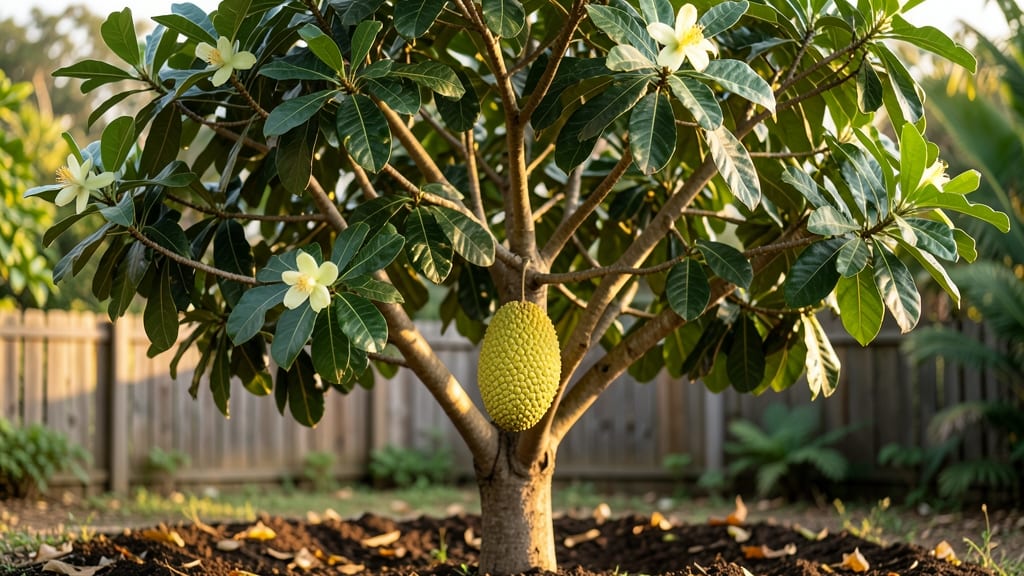
A sugar apple is indeed a real fruit, scientifically classified as Annona squamosa from the Annonaceae family. This tropical evergreen produces edible, custard-like flesh packed with nutrients, though its distinctive, spiky exterior often leads to confusion about its true botanical nature.
A sugar apple's botanical classification as a true fruit comes from its seed structure and growth pattern.
Unlike berries or drupes, it develops from a single ovary with multiple seeds embedded in the fleshy pulp, a defining trait of the Annonaceae family. 🌱 What makes this fruit particularly fascinating is how its seeds are arranged—each one is surrounded by the sweet, creamy flesh we eat, proving its status as a genuine fruit rather than a vegetable or hybrid.
The tree itself thrives in warm climates, which is why it's so commonly found in Caribbean and Central American regions where tropical gardening flourishes.
Many gardeners mistakenly assume the sugar apple's unusual appearance disqualifies it from being a true fruit, but its botanical characteristics clearly place it in the fruit category.
The key difference lies in its reproductive biology: the fruit forms directly from the tree's flower, containing seeds that develop within the edible portion—a hallmark of true fruits.
This distinction matters not just for botanists but also for home gardeners who might be curious about growing their own sugar apple trees.
💡 In This Article
- Botanical Classification of Sugar Apple Fruit
- Growing Sugar Apple Trees in Home Gardens
Botanical classification of sugar apple fruit
The sugar apple (Annona squamosa) belongs to the Annonaceae family, often called the custard apple family, which includes over 100 species of tropical trees and shrubs.
This classification matters because it determines how the fruit develops—specifically from a single ovary containing multiple seeds embedded in the fleshy pulp. 🌿 Unlike berries (like grapes) that develop from multiple ovaries or drupes (like peaches) with a single hard pit, the sugar apple's structure is defined by its aggregate fruit formation, where each seed is surrounded by the edible, creamy tissue.
Here's what sets it apart botanically: the fruit's outer skin, often mistaken for a rind, is actually a modified leaf structure called a pericarp that protects the delicate inner flesh.
The seeds, which number between 10-100 per fruit, are arranged in a way that maximizes surface area for nutrient absorption during growth. This seed distribution is a key identifier—unlike citrus fruits where seeds are clustered, sugar apple seeds are dispersed throughout the pulp, reinforcing its true fruit status.
The reproductive cycle begins when the tree's flowers, which lack petals but have a distinctive three-petaled structure, are pollinated by insects like beetles. After fertilization, the ovary swells into the familiar spiky fruit we recognize.
The growth cycle typically takes 4-6 months from flower to ripe fruit, during which the sugar content increases dramatically—reaching 15-20% natural sugars at full ripeness. This sweetness isn't just appealing to humans but also attracts wildlife, completing the fruit's natural dispersal process.
What often confuses people is the fruit's spiky exterior, which resembles a vegetable like a gourd. However, this texture serves a botanical purpose—protecting the delicate, thin-skinned fruit from physical damage in tropical environments where heavy rains are common.
The spikes are actually modified leaves called bracts, a defensive adaptation shared by other Annonaceae family members like cherimoya.
To put it in gardening terms, think of the sugar apple as nature's perfect balance: its seeds are strategically placed to ensure propagation, while the sweet flesh serves as an incentive for animals to spread those seeds far and wide.
This dual-purpose design is a hallmark of true fruits, which evolve to facilitate both consumption and dispersal. 🌱 The next time you see a sugar apple, remember—those spikes aren't just for show; they're part of an intricate botanical system that classifies it firmly in the fruit category.